


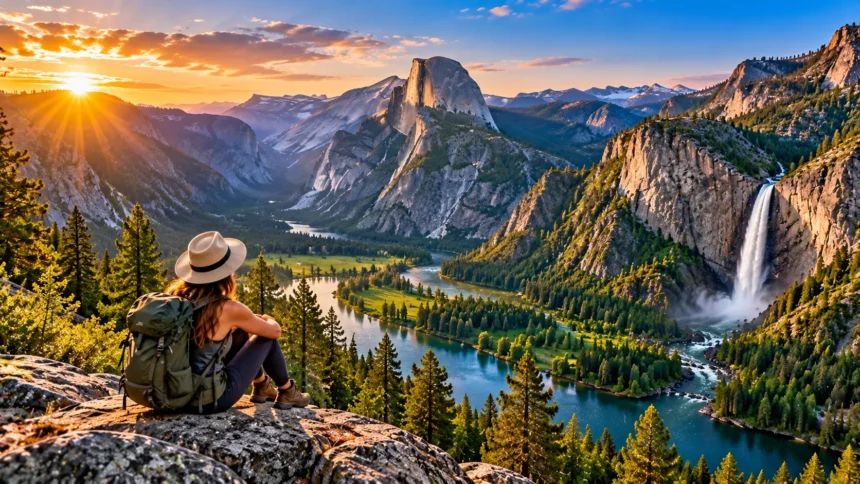
The United States is home to some of the most breathtaking natural landscapes in the world, offering towering mountains, spectacular waterfalls, ancient forests, vast deserts, and beautiful coastlines. From the dramatic cliffs of the Grand Canyon to the impressive geysers of Yellowstone, the country provides unforgettable experiences for nature lovers. Whether you enjoy hiking, wildlife watching, landscape photography, or peaceful outdoor sightseeing, the USA offers countless natural wonders worth exploring.
Discovering the best natural places in the USA allows travelers to experience the country’s remarkable geographical diversity. Its national parks, protected forests, mountain ranges, and coastal landscapes offer unique opportunities to appreciate nature throughout the year. This guide explores the top natural attractions in the United States, beautiful destinations to visit, and practical travel tips to help you plan a memorable outdoor vacation.
1. Grand Canyon National Park, Arizona – Explore a Natural Wonder
Grand Canyon National Park is one of the most famous natural attractions in the USA, known for its enormous canyon and breathtaking geological formations. Located in northern Arizona, the park features colorful rock layers shaped by the Colorado River over millions of years. Its dramatic landscape attracts travelers from around the world who want to experience one of America’s most recognizable natural wonders.
The South Rim is the most popular area for sightseeing because it offers numerous viewpoints and accessible visitor facilities. Mather Point, Yavapai Point, and Desert View provide spectacular perspectives of the canyon’s immense size. Visitors can also explore designated walking paths and learn about the region’s geological and cultural history through educational exhibits.
Spring and autumn often provide comfortable conditions for visiting the Grand Canyon, although the park remains popular throughout the year. Summer temperatures can become extremely high below the rim, making long canyon hikes particularly demanding. Travelers should choose activities appropriate for their experience and check current park conditions before exploring this remarkable destination.
2. Yellowstone National Park – Discover Geysers and Wildlife
Yellowstone National Park is one of America’s most remarkable natural destinations, extending across Wyoming, Montana, and Idaho. Established as the world’s first national park in 1872, Yellowstone protects extraordinary geothermal features, beautiful forests, and diverse wildlife habitats. Its unusual landscapes make it an outstanding destination for travelers interested in geology and environmental conservation.
Old Faithful is among the park’s most recognizable attractions, famous for its recurring geothermal eruptions. Visitors can also admire the colorful Grand Prismatic Spring, explore the Grand Canyon of the Yellowstone, and discover scenic valleys. Lamar Valley and Hayden Valley offer opportunities to observe bison, elk, and other wildlife from appropriate distances.
Yellowstone covers an enormous area, making transportation planning important when selecting attractions. Some roads and visitor facilities operate seasonally because of winter snow and changing weather conditions. Travelers should remain on designated boardwalks near geothermal areas and follow wildlife-viewing guidelines to protect both themselves and the park’s sensitive ecosystems.
3. Yosemite National Park, California – Admire Waterfalls and Granite Cliffs
Yosemite National Park is one of the most beautiful natural places in the United States, featuring dramatic granite cliffs, cascading waterfalls, and peaceful forest landscapes. Located in California’s Sierra Nevada mountains, the park attracts visitors with its extraordinary geological formations. Its combination of accessible viewpoints and scenic walking routes makes it appealing to different types of travelers.
Yosemite Valley is the park’s most famous destination, offering spectacular views of El Capitan, Half Dome, and Yosemite Falls. Visitors can also explore beautiful meadows, discover giant sequoia trees in Mariposa Grove, and enjoy scenic viewpoints. Tunnel View is particularly popular because it provides a breathtaking perspective of Yosemite Valley’s most recognizable landmarks.
Spring is an excellent time for admiring waterfalls because melting snow often increases their flow. Summer provides access to more high-elevation areas, although popular attractions can become crowded. Checking road conditions, entrance arrangements, and seasonal restrictions helps travelers enjoy Yosemite’s remarkable landscapes without unnecessary complications.
4. Zion National Park, Utah – Discover Dramatic Red Rock Landscapes
Zion National Park is one of the most spectacular natural attractions in southwestern Utah, known for its towering sandstone cliffs and beautiful canyon landscapes. The park features striking red and cream-colored rock formations surrounded by desert vegetation. Its impressive scenery creates memorable opportunities for photography, scenic drives, and nature-focused sightseeing.
Zion Canyon is the park’s central attraction, offering remarkable views of steep cliffs and the Virgin River. Visitors can enjoy accessible riverside walks, scenic viewpoints, and designated hiking routes. The Pa’rus Trail is a popular option for travelers seeking a relatively gentle experience while appreciating the surrounding canyon environment.
Spring and autumn often offer comfortable conditions for exploring Zion, although weather and visitor numbers vary throughout the year. Some trails require special permits or involve difficult conditions that are unsuitable for casual hikers. Choosing established routes and checking park guidance helps visitors appreciate the natural beauty of this remarkable destination responsibly.
5. Glacier National Park, Montana – Experience Alpine Lakes and Mountains
Glacier National Park is one of the most beautiful mountain destinations in the USA, located along Montana’s northern border with Canada. The park features rugged peaks, turquoise lakes, alpine meadows, and impressive glacial landscapes. Its breathtaking scenery attracts nature enthusiasts who enjoy discovering remote-looking environments and peaceful mountain views.
Going-to-the-Sun Road is one of Glacier National Park’s most famous attractions, providing spectacular views across mountain valleys and high-elevation landscapes. Visitors can admire Lake McDonald, explore scenic viewpoints, and discover beautiful natural areas near Many Glacier. Wildlife such as mountain goats and bighorn sheep may occasionally be observed from safe distances.
Summer is generally the most popular time to visit because higher roads and trails become more accessible after snow begins clearing. However, mountain weather can change quickly, and some areas remain affected by seasonal restrictions. Travelers should check road openings, reservation requirements, and trail conditions before planning their Glacier National Park experience.
6. Great Smoky Mountains National Park – Explore Forests and Waterfalls
Great Smoky Mountains National Park stretches across Tennessee and North Carolina, offering beautiful forest landscapes, scenic mountain views, and remarkable biodiversity. The park is famous for its mist-covered mountains and extensive network of natural attractions. Its accessible location and variety of outdoor experiences make it a popular destination for families and nature lovers.
Visitors can explore scenic routes such as Newfound Gap Road and discover beautiful viewpoints overlooking forested mountain valleys. Cades Cove is another popular attraction, offering historic landscapes and opportunities to observe wildlife. Waterfalls, streams, and forest walking paths provide additional experiences for travelers interested in peaceful natural surroundings.
Autumn attracts visitors with colorful foliage, while spring brings fresh greenery and seasonal wildflowers. Summer is also popular, although rainfall and changing mountain conditions can affect outdoor activities. Travelers should follow park rules, remain on designated trails, and observe wildlife from safe distances to protect the park’s natural environment.
7. Olympic National Park, Washington – Discover Rainforests and Rugged Beaches
Olympic National Park is one of America’s most diverse natural destinations, located on Washington State’s Olympic Peninsula. The park protects temperate rainforests, glacier-covered mountains, and rugged Pacific Ocean beaches. Its remarkable environmental variety allows travelers to experience several distinctive landscapes within a single national park.
The Hoh Rain Forest is among Olympic’s most famous attractions, featuring enormous moss-covered trees and lush vegetation. Visitors can also explore Hurricane Ridge for mountain views and admire coastal landscapes at Rialto Beach. Each area offers a different perspective on the park’s unique ecosystems and beautiful natural surroundings.
Olympic National Park experiences varying weather conditions because of its mountainous terrain and coastal location. Rain is common in rainforest areas, making waterproof clothing and suitable footwear useful. Travelers should check tide schedules before visiting coastal destinations and follow local guidance when exploring beaches with drifting logs and powerful ocean waves.
8. Acadia National Park, Maine – Enjoy Beautiful Atlantic Coastal Scenery
Acadia National Park is one of the most picturesque natural destinations in the northeastern United States, located primarily on Maine’s Mount Desert Island. The park features rocky Atlantic coastlines, forested mountains, freshwater lakes, and scenic coastal viewpoints. Its distinctive landscapes make it particularly appealing to travelers interested in photography and peaceful outdoor sightseeing.
Cadillac Mountain is among Acadia’s most recognizable attractions, providing impressive panoramic views of surrounding islands and the Atlantic Ocean. Visitors can explore Park Loop Road, admire Sand Beach, and discover the dramatic coastline near Thunder Hole. Jordan Pond offers another beautiful location surrounded by forested hills and mountain scenery.
Autumn is particularly popular because colorful foliage creates spectacular landscapes throughout the region. Summer offers pleasant conditions for many outdoor activities, although tourist areas may become busy. Travelers should check vehicle access requirements, parking arrangements, and coastal weather before exploring Acadia’s beautiful natural attractions.
9. Grand Teton National Park, Wyoming – Experience Spectacular Mountain Views
Grand Teton National Park is one of the most impressive mountain destinations in the United States, located in northwestern Wyoming. The park is famous for its dramatic mountain peaks, beautiful alpine lakes, and wide valley landscapes. Its remarkable scenery provides excellent opportunities for photography, wildlife observation, and peaceful outdoor experiences.
Jenny Lake is among the park’s most popular attractions, offering beautiful views of the Teton Range and access to scenic walking areas. Visitors can also explore Jackson Lake, admire Snake River viewpoints, and discover open landscapes where wildlife may appear. The combination of mountains and reflective lake surfaces creates memorable natural scenery.
Summer and early autumn are particularly attractive seasons for visiting Grand Teton because many roads and visitor facilities are accessible. Weather can change quickly in mountain environments, so suitable clothing is important. Wildlife should be observed from appropriate distances, and visitors should avoid approaching animals for photographs.
10. Bryce Canyon National Park, Utah – Admire Unique Rock Formations
Bryce Canyon National Park is one of America’s most unusual natural attractions, famous for its colorful rock formations called hoodoos. Located in southern Utah, the park features impressive natural amphitheaters filled with towering sandstone pillars. Its distinctive landscape creates a remarkable sightseeing experience for visitors interested in geology and desert scenery.
Bryce Amphitheater is the park’s most recognized area, featuring numerous viewpoints overlooking the colorful formations. Sunrise Point, Sunset Point, and Inspiration Point provide spectacular perspectives of the surrounding landscape. Visitors can enjoy designated walking paths and learn about the geological processes responsible for shaping these unusual rock structures.
Bryce Canyon sits at a relatively high elevation, meaning temperatures can remain cool even when nearby desert regions are hot. Snow is also possible during colder months, creating beautiful contrasts against the red rock formations. Travelers should check seasonal trail conditions and choose appropriate sightseeing activities when exploring the park.
11. Redwood National and State Parks, California – Walk Among Giant Trees
Redwood National and State Parks protect some of the world’s tallest trees along northern California’s beautiful Pacific coastline. These remarkable forests feature towering coast redwoods, lush vegetation, and peaceful natural surroundings. Walking among the enormous trees provides an unforgettable opportunity to appreciate the age and ecological importance of ancient forest environments.
Visitors can explore scenic forest trails, admire massive redwood trunks, and discover beautiful coastal landscapes within the park system. Prairie Creek Redwoods State Park and Jedediah Smith Redwoods State Park are especially recognized for their impressive forest scenery. Designated walking areas allow visitors to appreciate these environments while protecting sensitive vegetation.
The region experiences frequent moisture and coastal fog, contributing to the conditions that support redwood forests. Travelers should prepare for damp weather and select appropriate walking footwear. Remaining on established trails helps protect delicate root systems and forest habitats while allowing future visitors to enjoy these extraordinary natural landscapes.
12. Rocky Mountain National Park, Colorado – Discover Alpine Beauty
Rocky Mountain National Park is one of Colorado’s most beautiful natural destinations, offering impressive mountain peaks, alpine lakes, and peaceful forest landscapes. Located northwest of Denver, the park features diverse environments that change dramatically with elevation. Its breathtaking scenery attracts visitors interested in mountain photography, scenic drives, and outdoor nature experiences.
Trail Ridge Road is one of the park’s most famous attractions, providing remarkable views across high mountain landscapes when seasonal conditions allow access. Visitors can also explore Bear Lake and discover beautiful viewpoints surrounded by forests and rocky peaks. Wildlife such as elk may be observed in suitable areas throughout the park.
Summer is a popular season for visiting Rocky Mountain National Park because many high-elevation roads become accessible. However, afternoon storms and sudden weather changes require careful planning. Travelers should check road conditions, understand altitude-related considerations, and select walking routes appropriate for their comfort and experience.
13. Everglades National Park, Florida – Explore America’s Unique Wetlands
Everglades National Park is one of the most remarkable natural ecosystems in the United States, protecting extensive wetlands, mangrove forests, and freshwater habitats in southern Florida. The park is internationally recognized for its biodiversity and ecological importance. Its distinctive environment offers visitors an opportunity to discover wildlife and landscapes unlike those found in America’s mountain parks.
The Anhinga Trail is a popular visitor area where travelers may observe birds, turtles, and alligators from designated pathways. Shark Valley provides additional opportunities to appreciate wetland scenery and learn about the surrounding ecosystem. Guided educational experiences introduce visitors to the importance of freshwater flow, native wildlife, and habitat conservation.
The relatively drier months from approximately November through April are often popular for visiting the Everglades. Summer generally brings warmer temperatures, higher humidity, and more frequent rainfall. Visitors should carry insect protection, follow wildlife safety guidance, and remain within designated visitor areas when exploring this sensitive natural environment.
14. Hawaiʻi Volcanoes National Park – Discover Volcanic Landscapes
Hawaiʻi Volcanoes National Park is one of the most fascinating natural destinations in the Pacific, located on the Island of Hawaiʻi. The park protects extraordinary volcanic landscapes shaped by powerful geological processes over time. Its combination of lava fields, tropical vegetation, and dramatic volcanic scenery provides an educational experience for travelers interested in Earth’s natural history.
Kīlauea and Mauna Loa are the park’s most prominent volcanoes, contributing to the island’s remarkable geological character. Visitors can explore designated viewpoints, admire volcanic craters, and learn about changing landscapes through educational exhibits. Scenic driving routes provide opportunities to appreciate the contrast between older lava fields and surrounding vegetation.
Volcanic conditions can change, making it essential to check current park alerts and access restrictions before visiting. Certain areas may be closed because of volcanic gases, unstable terrain, or other hazards. Staying within authorized visitor areas and following ranger instructions allows travelers to appreciate the park without unnecessary exposure to dangerous conditions.
15. Best Time to Explore Nature in the USA and Travel Tips
The best time to explore natural places in the USA depends on the destination, elevation, and preferred outdoor activities. The country’s diverse geography creates different seasonal conditions across national parks, forests, deserts, and coastlines. Understanding these patterns helps travelers choose appropriate destinations while making the most of their vacation.
Spring and autumn are often excellent for exploring desert parks such as Zion and the Grand Canyon because temperatures can be more comfortable. Summer provides improved access to many mountain destinations, including Glacier and Rocky Mountain National Parks. Winter can offer beautiful scenery in selected regions, although snow and seasonal road closures may limit access.
Before visiting national parks, check entrance fees, reservation requirements, weather forecasts, and seasonal accessibility. Carry suitable clothing, drinking water, and basic travel essentials while respecting environmental protection guidelines. Planning realistic travel distances and allowing sufficient time at each destination helps create a more comfortable and rewarding nature-focused vacation.
Conclusion
The United States offers an incredible variety of natural destinations, ranging from dramatic canyons and alpine mountains to ancient forests, spectacular coastlines, and unique volcanic landscapes. National parks such as Yellowstone, Yosemite, Grand Canyon, and Glacier protect some of the country’s most remarkable natural attractions. These destinations provide unforgettable opportunities to appreciate America’s geographical diversity and environmental heritage.
Whether you enjoy admiring waterfalls, exploring forests, discovering wildlife, or photographing beautiful landscapes, the best natural places in the USA offer experiences for different interests. Destinations such as Olympic National Park, Acadia, the Everglades, and Hawaiʻi Volcanoes National Park highlight the country’s extraordinary range of ecosystems. Exploring different regions allows travelers to experience unique scenery throughout the year.
Planning your nature vacation around seasonal weather, transportation arrangements, park regulations, and available time can improve your overall experience. Consider visiting fewer destinations at a comfortable pace rather than rushing across large distances. With thoughtful preparation and responsible travel practices, discovering USA nature can become an unforgettable journey filled with breathtaking landscapes and lasting memories.
Frequently Asked Questions (FAQs)
1. What are the best natural places to visit in the USA?
The best natural places in the USA include Grand Canyon, Yellowstone, Yosemite, Glacier, Zion, and Olympic National Parks. These destinations offer spectacular mountains, waterfalls, forests, wildlife habitats, and unique geological landscapes.
2. Which US state has the most beautiful natural scenery?
California, Alaska, Utah, Colorado, and Montana are particularly famous for beautiful natural landscapes. Each offers distinctive attractions, including national parks, mountain ranges, scenic coastlines, forests, and dramatic geological formations.
3. What is the best month to visit national parks in the USA?
September is often an excellent month for visiting many US national parks because temperatures can be comfortable and crowds may decrease. However, the best time varies by elevation and destination.
4. Are US national parks suitable for family vacations?
Yes, many national parks provide family-friendly viewpoints, educational exhibits, scenic drives, and accessible walking paths. Families should select activities based on children’s ages, park conditions, and individual interests.
5. How many days are needed to explore natural places in the USA?
A seven-to-ten-day vacation can provide enough time to explore two or three nearby natural destinations. Travelers planning to visit parks across several states should allow longer because driving distances can be considerable.