

Chile is one of the most fascinating travel destinations in South America, offering breathtaking landscapes, vibrant cities, rich cultural traditions, and unforgettable outdoor experiences. Stretching along the western edge of the continent, this remarkable country features everything from the dry Atacama Desert to the glaciers of Patagonia. Exploring Chile allows travelers to experience remarkable natural diversity within a single country.
Whether you enjoy mountain scenery, coastal towns, historic architecture, or peaceful lakes, Chile offers attractions for almost every type of traveler. Its colorful cities, beautiful national parks, and distinctive local communities create endless opportunities for discovery. Visitors can explore modern urban neighborhoods, admire volcanic landscapes, visit ancient archaeological sites, and experience traditional Chilean food.
Planning a trip to Chile requires understanding its geography, seasonal weather, transportation options, and major destinations. Because the country stretches across several climate regions, travel experiences vary considerably between northern, central, and southern areas. This Chile travel guide explores the best things to do and see, helping you create a memorable South American vacation.
1. Explore Santiago: Chile’s Vibrant Capital City
<Entity category=”city” value=”Santiago” disambig=”Capital city of Chile”/> is the country’s capital and one of the best places to begin a Chilean adventure. Surrounded by the Andes Mountains, the city combines modern buildings, historic architecture, green parks, and cultural attractions. Visitors can explore lively neighborhoods, traditional markets, and impressive museums while experiencing the country’s contemporary lifestyle.
Plaza de Armas is one of Santiago’s most important historic landmarks, surrounded by notable buildings and cultural attractions. Travelers can also visit Cerro San Cristóbal, a popular hill offering panoramic views of the city and surrounding mountains. The Bellavista neighborhood attracts visitors with colorful streets, independent shops, restaurants, and an energetic artistic atmosphere.
Santiago also provides an excellent base for exploring nearby destinations, including mountain valleys and coastal communities. Its transportation network connects many important neighborhoods, making urban sightseeing relatively convenient. Spending two or three days in the capital allows travelers to experience major attractions before continuing toward Chile’s deserts, mountains, or southern lakes.
2. Discover Valparaíso’s Colorful Streets and Artistic Culture
<text weight=”medium”><Entity category=”city” value=”Valparaíso” disambig=”Historic coastal port city in Chile”/></text> is one of Chile’s most distinctive coastal cities, celebrated for its colorful hillside neighborhoods and creative atmosphere. Located along the Pacific Ocean, this historic port features narrow streets, painted houses, and impressive coastal viewpoints. Its unique architecture and cultural heritage make it an appealing destination for photography, sightseeing, and local exploration.
Cerro Alegre and Cerro Concepción are among the city’s most popular neighborhoods, featuring vibrant murals, charming cafés, and historic buildings. Visitors can explore pedestrian stairways and traditional hillside elevators that connect different parts of the city. Walking through these neighborhoods reveals beautiful views of the harbor alongside creative spaces and interesting architectural details.
Valparaíso is particularly attractive for travelers interested in art, history, and local culture. The city can be explored on a day trip from Santiago, although an overnight visit provides additional time for discovery. Comfortable footwear is essential because many attractions are located along steep streets, and travelers should plan routes carefully.
3. Experience the Incredible Atacama Desert
The <Entity category=”place” value=”Atacama Desert” disambig=”Desert region in northern Chile”/> is one of Chile’s most extraordinary natural attractions, featuring dramatic rock formations, salt flats, colorful lagoons, and volcanic landscapes. Located in the northern part of the country, this vast desert experiences extremely dry conditions. Its unusual scenery attracts nature lovers, photographers, and travelers interested in exploring landscapes that resemble another planet.
San Pedro de Atacama serves as the main tourist base for exploring the surrounding desert attractions. Visitors can discover Valle de la Luna, admire spectacular geological formations, and enjoy views of the Andes. Other popular destinations include Laguna Chaxa, where flamingos can sometimes be observed, and the remarkable El Tatio geyser field.
The Atacama Desert offers unforgettable sightseeing opportunities, but its climate requires thoughtful preparation. Strong sunlight, dry air, and significant temperature differences between day and night make suitable clothing essential. Some attractions sit at high elevations, so visitors should allow time to acclimatize and choose excursions appropriate for their health and comfort.
4. Visit Torres del Paine National Park in Patagonia
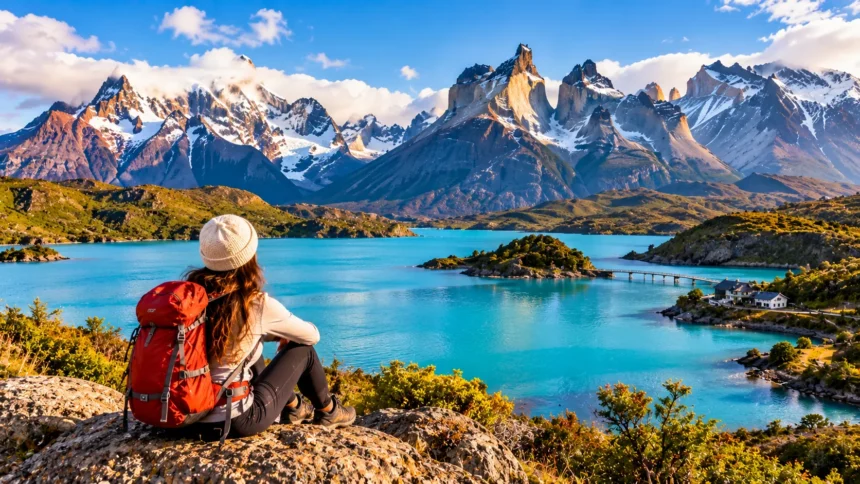
<Entity category=”point_of_interest” location=”Magallanes Region, Chile” value=”Torres del Paine National Park”/> is one of the most spectacular places to visit in Chile, known for its dramatic mountains, turquoise lakes, and extraordinary natural scenery. Located in southern Patagonia, this protected area attracts travelers from around the world. Its impressive granite towers and beautiful wilderness landscapes make it a highlight of many Chile travel itineraries.
The park features scenic viewpoints, lakes, forests, and established walking trails suitable for different experience levels. Visitors can admire Lake Pehoé, observe the Paine mountain range, and discover stunning views of surrounding valleys. Wildlife enthusiasts may also encounter guanacos, native birds, and other animals living within the protected Patagonian environment.
Weather conditions in Torres del Paine can change rapidly, even during the warmer summer months. Travelers should prepare for strong winds, rainfall, and cooler temperatures while exploring outdoor attractions. Booking accommodation and park access in advance is particularly important during peak season, when visitor demand can be high.
5. Explore Chile’s Beautiful Lake District
Chile’s Lake District is an excellent destination for travelers seeking peaceful landscapes, volcanic mountains, and charming lakeside towns. Located in southern Chile, the region features lush forests, freshwater lakes, and dramatic natural scenery. Its relatively relaxed atmosphere makes it suitable for families, nature enthusiasts, and visitors interested in experiencing the country’s quieter surroundings.
Puerto Varas is one of the region’s most popular destinations, situated beside beautiful Lake Llanquihue. Visitors can enjoy impressive views of Osorno Volcano, explore traditional architecture, and discover attractive waterfront areas. Nearby attractions include Vicente Pérez Rosales National Park, Petrohué Falls, and scenic roads connecting small communities throughout the surrounding countryside.
The Lake District also offers opportunities for boat excursions, nature walks, cycling, and photography. Comfortable accommodation and local restaurants make it possible to enjoy extended stays without rushing between destinations. Travelers should prepare for frequent rainfall, particularly outside summer, because southern Chile experiences wetter conditions than many northern and central regions.
6. Discover Chiloé Island and Its Traditional Culture
<Entity category=”place” value=”Chiloé Island” disambig=”Island in the Chiloé Archipelago, southern Chile”/> offers a distinctive travel experience through its traditional wooden architecture, coastal landscapes, and fascinating local heritage. Located in southern Chile, the island is known for its colorful houses, historic churches, and strong cultural identity. Its peaceful atmosphere provides an enjoyable contrast to larger cities and busier tourist destinations.
Castro is one of the island’s main towns, famous for its colorful palafitos, traditional wooden houses built on stilts above the water. Visitors can explore historic wooden churches, several of which form part of a UNESCO World Heritage listing. Local markets and traditional restaurants provide opportunities to discover regional crafts, seafood dishes, and island traditions.
Chiloé is also known for its green landscapes, coastal viewpoints, and unique folklore. Travelers interested in local history can explore fishing communities and learn about the island’s cultural influences. Rain is common throughout the year, so waterproof clothing and flexible sightseeing plans help make visits more comfortable and enjoyable.
7. Experience Rapa Nui and Its Mysterious Moai Statues
<Entity category=”place” value=”Rapa Nui” disambig=”Easter Island, Chile”/> is one of the world’s most remarkable island destinations, located far from mainland Chile in the Pacific Ocean. Commonly known as Easter Island, it is internationally recognized for its impressive moai statues. These monumental stone figures represent an important part of the island’s Indigenous Rapa Nui history and cultural heritage.
Visitors can explore famous archaeological locations such as Rano Raraku, Ahu Tongariki, and other ceremonial sites. Anakena Beach offers beautiful coastal scenery, while volcanic landscapes provide additional opportunities to appreciate the island’s natural environment. Cultural experiences also allow travelers to learn about local traditions, historical achievements, and the continuing identity of the Rapa Nui community.
Visiting Rapa Nui requires additional planning because flights, accommodation, and local transportation options are more limited than on mainland Chile. Protected archaeological areas have specific access requirements, and guided visits are necessary at many sites. Respecting local regulations and cultural heritage is essential for a responsible and meaningful island experience.
8. Take a Scenic Journey Along the Carretera Austral
The <Entity category=”place” value=”Carretera Austral” disambig=”Scenic highway through Chilean Patagonia”/> is one of South America’s most spectacular scenic routes, stretching through remote landscapes in southern Chile. This famous highway connects communities surrounded by forests, mountains, rivers, and glacial lakes. Traveling along the route provides opportunities to experience Patagonian scenery away from the busiest urban destinations.
Popular attractions include Cerro Castillo, General Carrera Lake, and the remarkable Marble Caves, also known as Capillas de Mármol. Visitors can admire turquoise water, dramatic mountains, and unusual rock formations throughout the journey. The route also passes near national parks and protected natural areas featuring forests, wildlife, and striking mountain viewpoints.
A Carretera Austral adventure requires careful preparation because distances between services can be considerable. Road conditions vary, and some sections involve gravel surfaces or ferry connections. Travelers should allow extra time for weather changes, confirm transportation arrangements, and avoid creating an overly demanding schedule when exploring this beautiful but remote region.
9. Relax on Chile’s Beautiful Beaches and Coastal Destinations
Chile’s long Pacific coastline offers numerous beach destinations, scenic coastal towns, and opportunities for seaside relaxation. Although ocean temperatures can be cooler than those in tropical destinations, the coastline features beautiful landscapes and attractive waterfront communities. Beach experiences vary considerably between northern Chile’s desert coast and the cooler shores of central and southern regions.
Viña del Mar is one of Chile’s best-known coastal destinations, featuring beaches, gardens, and a lively urban atmosphere. Travelers can enjoy waterfront walks, restaurants, and nearby cultural attractions. Farther north, Bahía Inglesa is famous for its pale sand and turquoise water, making it particularly appealing for visitors seeking picturesque coastal scenery.
The best beach experience depends on seasonal temperatures, ocean conditions, and personal travel preferences. Summer is generally the most popular period for coastal vacations, especially between December and February. Visitors should pay attention to local swimming advisories because strong currents and cold Pacific waters can make certain beaches unsuitable for entering the sea.
10. Enjoy Stargazing and Chile’s Remarkable Night Skies
Northern Chile is internationally recognized for its extraordinary stargazing conditions, particularly in dry regions with relatively clear skies. The Atacama Desert and Elqui Valley offer exceptional opportunities to observe stars and other celestial objects. Their high elevations, low humidity, and limited artificial lighting in certain areas create favorable conditions for astronomical observation.
The Elqui Valley attracts visitors with scenic mountains, small villages, and astronomy-focused tourism experiences. Travelers can join educational observatory visits or guided stargazing activities where available. These experiences introduce visitors to constellations, planets, and the importance of Chile’s northern skies for both scientific research and cultural traditions.
Stargazing conditions depend on cloud cover, moonlight, weather, and the location of observation sites. Travelers should check forecasts and activity schedules before booking evening excursions. Bringing warm layers is important because desert temperatures often drop significantly after sunset, even when daytime conditions feel pleasantly warm.
11. Learn About Chilean Food and Cultural Traditions
Exploring traditional Chilean cuisine is an important part of understanding the country’s culture and regional identity. Food traditions reflect Indigenous heritage, European influences, and the availability of fresh coastal and agricultural ingredients. Visitors can discover local dishes in markets, family restaurants, and regional communities while experiencing the country’s diverse culinary landscape.
Popular foods include empanadas, pastel de choclo, cazuela, and fresh seafood prepared in different regional styles. In Chiloé, curanto is a traditional dish associated with the island’s distinctive food culture. Santiago and other major cities also offer varied dining experiences, from casual neighborhood cafés to restaurants serving contemporary Chilean cuisine.
Cultural experiences extend beyond food through local festivals, traditional crafts, music, and historical landmarks. Travelers can visit museums, explore community markets, and learn about Indigenous cultures in different regions. Taking time to understand local traditions encourages respectful travel and provides a more meaningful connection with the destinations included in a Chile vacation.
12. Best Time to Visit Chile and Practical Travel Tips
The best time to visit Chile depends largely on the regions you want to explore. December through February generally offers favorable conditions for Patagonia and southern outdoor attractions, although it is also a busy travel period. Northern destinations such as the Atacama Desert can be visited throughout much of the year, with significant temperature differences between daytime and nighttime.
Chile’s considerable length makes transportation planning essential, particularly when combining northern and southern destinations. Domestic flights are useful for covering long distances, while buses connect many cities and regional communities. Travelers should consider spending several days in each major region rather than attempting to visit every attraction during a short vacation.
Before traveling, check entry requirements for your nationality, transportation availability, park regulations, and seasonal weather conditions. Chile uses the Chilean peso, and Spanish is the country’s main language, although English may be spoken in some tourist areas. Travel insurance, appropriate clothing, and a flexible itinerary can help make your Chile adventure more comfortable.
Conclusion
Chile offers an extraordinary combination of natural beauty, cultural heritage, and unforgettable travel experiences. From the colorful streets of Valparaíso to the dramatic mountains of Patagonia, the country’s destinations provide something for almost every traveler. Its deserts, lakes, islands, national parks, and coastal communities make Chile one of South America’s most diverse places to explore.
The best things to do in Chile depend on your interests, available time, and preferred travel season. Nature lovers can explore Torres del Paine, the Atacama Desert, and the Lake District, while cultural travelers may prefer Santiago, Chiloé, and Rapa Nui. Each region offers distinctive landscapes and opportunities to discover the country’s history and traditions.
Planning ahead is important because Chile covers a vast geographical area with significant differences in climate and transportation. Choosing a manageable itinerary, researching seasonal conditions, and respecting local environments will improve your experience. With thoughtful preparation, a trip to Chile can become an unforgettable journey through some of South America’s most remarkable destinations.
Frequently Asked Questions
What are the best places to visit in Chile?
Some of the best places to visit in Chile include Santiago, Valparaíso, the Atacama Desert, Torres del Paine National Park, Chiloé Island, and Rapa Nui. These destinations offer diverse landscapes and cultural attractions.
What is the best time of year to visit Chile?
The best time depends on your destination. December through February is popular for Patagonia, while the Atacama Desert is accessible throughout much of the year. Spring and autumn can offer pleasant conditions in central Chile.
How many days do you need to explore Chile?
Ten to fourteen days allow travelers to explore a few major Chilean destinations comfortably. A longer trip is recommended for visiting widely separated regions, such as the Atacama Desert, Patagonia, and Rapa Nui.
Is Chile expensive for tourists?
Chile can be moderately expensive compared with some other South American destinations, particularly in remote regions. Costs depend on accommodation choices, domestic flights, guided excursions, transportation, and the season of travel.
What is Chile most famous for?
Chile is famous for the Atacama Desert, Patagonia’s dramatic landscapes, the Andes Mountains, Rapa Nui’s moai statues, and its long Pacific coastline. The country is also known for its cultural diversity and remarkable natural scenery.