

India is one of the most fascinating travel destinations in the world, offering an incredible mix of history, culture, natural beauty, and unforgettable experiences. From the snow-covered Himalayan mountains to the sunny beaches of Goa, every region offers something different. Traveling to India can be exciting, especially when you understand what to expect before your journey begins.
Whether you are planning your first trip to India or returning to explore new destinations, proper preparation can make your experience more enjoyable. Understanding local transportation, food, accommodation, cultural traditions, and travel safety helps you avoid unnecessary difficulties. This India travel guide covers essential tips to help you plan a comfortable, memorable, and rewarding adventure.
Why India Is a Unique Travel Destination
India attracts travelers with its incredible cultural diversity, historical landmarks, and breathtaking landscapes. Every state has its own traditions, regional cuisine, languages, and architectural styles that make exploring the country exciting. Visitors can experience ancient temples, colorful markets, peaceful villages, and modern cities during the same journey, making India a destination filled with remarkable contrasts.
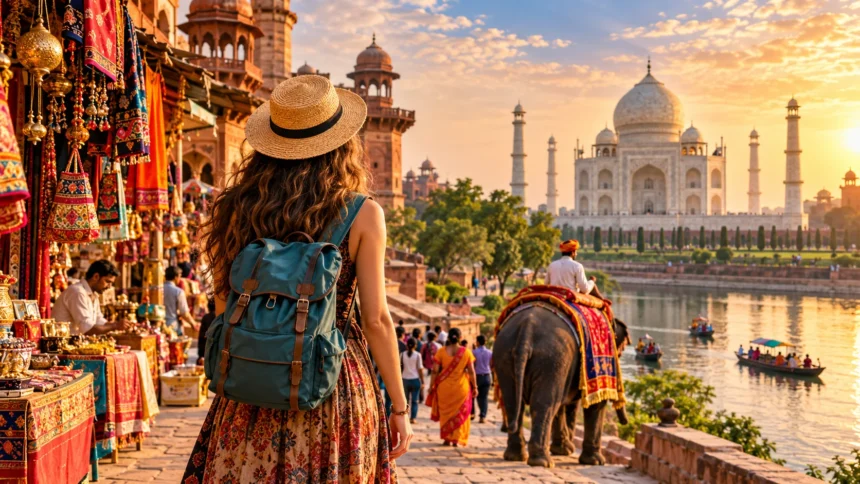
One of the most interesting aspects of traveling to India is its rich historical heritage. Famous landmarks such as the Taj Mahal, Jaipur’s royal palaces, and Delhi’s historic monuments reflect centuries of fascinating history. These attractions offer visitors opportunities to understand India’s artistic achievements, architectural traditions, and cultural influences while exploring some of the country’s most recognizable destinations.
India also offers unforgettable experiences beyond its famous tourist attractions. Travelers can enjoy traditional festivals, explore mountain landscapes, discover wildlife sanctuaries, or relax along beautiful coastlines. Whether your interests include photography, adventure, spirituality, food, or cultural exploration, India provides countless opportunities to create meaningful travel memories while discovering something new every day.
Best Time to Visit India for a Comfortable Trip
Choosing the best time to visit India depends largely on your preferred destinations and planned activities. Generally, October through March offers more comfortable temperatures across many popular northern and central tourist regions. This period is particularly suitable for sightseeing in Delhi, Agra, Jaipur, and Rajasthan, where summer temperatures can make outdoor exploration challenging.
India experiences different weather conditions depending on its geography and elevation. The northern Himalayan regions may have freezing winter temperatures, while southern coastal destinations remain relatively warm throughout much of the year. Travelers interested in mountain destinations often prefer suitable spring, summer, or autumn periods, depending on local weather, road access, and seasonal conditions.
The monsoon season brings significant rainfall to many parts of India, although timing and intensity vary between regions. Rain can create beautiful green landscapes but may also disrupt road journeys, sightseeing plans, and outdoor activities. Before booking accommodation or transportation, research regional weather patterns and allow flexibility in your itinerary for unexpected changes.
Essential Visa and Travel Documents for India
Understanding India’s entry requirements is one of the most important steps before planning an international trip. Most foreign visitors need a valid passport and an appropriate Indian visa, although specific rules depend on nationality and travel purpose. Some travelers qualify for electronic visas, while others must apply through an Indian embassy or consulate before departure.
Before submitting your visa application, confirm passport validity requirements, permitted activities, available visa categories, and application procedures. Certain visa categories require a passport with at least six months of remaining validity and sufficient blank pages. Travelers should also check whether arrival declarations, health forms, onward tickets, or additional documents are required for their circumstances.
Keep digital and printed copies of important travel documents in separate, secure locations during your journey. These may include your passport identification page, approved visa, accommodation confirmations, travel insurance details, and transportation bookings. Entry policies can change, so always verify the latest requirements through official Indian immigration authorities before making final travel arrangements.
Best Places to Visit in India for First-Time Travelers
Delhi is often a starting point for international visitors because of its major airport, historical attractions, and transportation connections. Popular sightseeing locations include India Gate, Humayun’s Tomb, Qutub Minar, and the Red Fort. Travelers can also explore traditional markets, sample regional dishes, and experience the combination of old neighborhoods and modern urban development.
Agra and Jaipur are popular destinations for travelers interested in Indian history and architecture. Agra is home to the world-famous Taj Mahal, while Jaipur features impressive forts, palaces, and colorful shopping areas. Together with Delhi, these cities form the well-known Golden Triangle route, which introduces visitors to several important cultural landmarks.
For nature lovers, Kerala, Goa, and Himachal Pradesh offer completely different travel experiences. Kerala is known for its backwaters and green landscapes, while Goa attracts visitors with beaches and coastal scenery. Himachal Pradesh provides mountain views, charming towns, and outdoor opportunities, making it appealing to travelers who prefer cooler environments and peaceful surroundings.
How to Plan Your India Travel Itinerary
Creating a realistic India travel itinerary helps you explore destinations without spending your entire vacation moving between cities. Because India is geographically large, traveling between popular attractions can take longer than expected. First-time visitors should focus on a few destinations within the same region rather than attempting to explore the entire country during one short trip.
A seven-day India itinerary might include Delhi, Agra, and Jaipur, allowing time for major landmarks and local experiences. Travelers with two weeks can consider adding another nearby destination or exploring a different region. Choosing locations based on their geographical proximity reduces unnecessary transportation costs and leaves more time for sightseeing and relaxation.
When planning daily activities, avoid scheduling too many attractions without considering travel distances, opening hours, and weather conditions. Include occasional breaks to enjoy local restaurants, markets, and cultural experiences at a comfortable pace. A flexible travel schedule also allows you to discover unexpected attractions and make adjustments when transportation or weather conditions change.
Transportation Tips for Getting Around India
India has an extensive transportation network that includes trains, domestic flights, buses, taxis, and local transit services. Trains are particularly popular for traveling between cities because they connect numerous destinations and offer different travel classes. Booking train tickets in advance is helpful, especially during holidays, festivals, and busy tourist seasons when popular routes may sell out.
Domestic flights can save considerable time when traveling between distant regions such as Delhi, Mumbai, Bengaluru, and Kochi. For shorter distances, buses and private transportation may provide convenient alternatives depending on the route. Compare journey duration, ticket prices, luggage allowances, and transportation schedules before selecting the most suitable option for your travel plans.
Within cities, visitors can use metro systems, registered taxis, autorickshaws, and established ride-booking services where available. Agree on fares before starting journeys without metered or prepaid pricing, and verify vehicle details when using booked transportation. Planning your routes and allowing extra time for heavy traffic can make urban travel significantly more comfortable.
Indian Food and Dining Tips for Travelers
Exploring Indian cuisine is one of the most enjoyable experiences during a trip to India. The country offers an enormous variety of regional dishes, cooking techniques, spices, and traditional ingredients. Popular foods include biryani, dosa, dal, butter chicken, samosas, and different types of Indian bread, although culinary traditions vary greatly between individual states.
Travelers unfamiliar with spicy food can request milder dishes when ordering at restaurants. Choosing busy dining establishments with good hygiene practices can make meals more comfortable and enjoyable. Vegetarian travelers will also find many options throughout India, including vegetable curries, lentil dishes, rice preparations, and traditional snacks made with locally available ingredients.
Food and water safety deserve attention, particularly during the first few days of your journey. Choose safely prepared meals, drink sealed bottled or properly treated water, and avoid food that appears poorly stored. Carrying hand sanitizer and washing your hands before eating are simple habits that can help reduce common travel-related stomach problems.
Accommodation Options and Hotel Booking Tips
India offers a wide variety of accommodation options suitable for different travel preferences and budgets. Visitors can choose from luxury hotels, boutique properties, guesthouses, hostels, and family-operated homestays. Major tourist destinations usually provide numerous options, allowing travelers to compare comfort, location, available facilities, and overall value before making reservations.
Location is particularly important when choosing where to stay during your India trip. Accommodation near major attractions or reliable transportation connections can save significant travel time. Read recent guest reviews, examine property photographs, and confirm essential amenities such as air conditioning, internet access, secure storage, and suitable bathroom facilities before booking.
Booking accommodation ahead of time is generally recommended during major festivals, holidays, and peak tourism periods. However, travelers with flexible plans may prefer reservations that allow changes without excessive penalties. Confirm check-in policies, identification requirements, cancellation conditions, and transportation arrangements to prevent unnecessary difficulties when arriving at an unfamiliar destination.
Important Safety and Health Tips for Traveling to India
Travel safety should be an important part of planning any international journey. Before visiting India, review current government travel advisories and understand the safety situation in your chosen destinations. Some border regions and other areas may have specific travel restrictions or security concerns, making it essential to research regional conditions before finalizing your itinerary.
Protect your belongings by keeping valuables secure and avoiding unnecessary displays of expensive items in crowded places. Use established transportation providers, stay aware of your surroundings, and share important travel plans with someone you trust. Travelers should also keep emergency contact information available and understand how to contact local authorities or their embassy when necessary.
Health preparation is equally important, especially when visiting regions with unfamiliar climates or environmental conditions. Consult a qualified healthcare professional about recommended vaccinations, medications, and personal health precautions before departure. Comprehensive travel insurance, appropriate sun protection, sufficient hydration, and access to reliable medical assistance can make your journey more comfortable and secure.
Cultural Etiquette and Local Customs in India
Understanding Indian cultural etiquette helps visitors interact respectfully with local communities. India has many religious traditions, languages, and social customs, so practices may differ considerably between regions. Learning simple greetings, showing patience, and respecting personal boundaries can make everyday interactions more welcoming while demonstrating genuine appreciation for the country’s cultural diversity.
When visiting temples, mosques, and other religious locations, follow posted rules regarding clothing, photography, and behavior. Some places require visitors to remove their shoes, cover certain parts of their bodies, or avoid entering restricted areas. Observing local customs and asking permission before photographing individuals are thoughtful ways to respect people and their surroundings.
Festivals are another wonderful opportunity to experience Indian culture, traditional music, food, and community celebrations. Diwali, Holi, Eid, and regional festivals may offer memorable cultural experiences depending on your travel dates. However, celebrations can affect transportation availability, accommodation prices, and local business hours, so consider these practical factors when planning your trip.
Budgeting and Money-Saving Tips for India Travel
India can accommodate different travel budgets, from economical backpacking experiences to luxury vacations. Your overall expenses will depend on accommodation standards, transportation choices, dining preferences, and selected activities. Researching typical costs in your chosen destinations helps you establish a realistic daily budget while keeping additional funds available for unexpected expenses.
Travelers hoping to save money can compare train and flight prices, book accommodation early, and choose reasonably priced local restaurants. Exploring public parks, historical neighborhoods, and markets can also provide rewarding experiences without major expenses. However, remember that some monuments charge different admission fees for domestic and international visitors, which can influence sightseeing budgets.
The Indian rupee is the country’s official currency, and payment methods vary between destinations and businesses. Major hotels and restaurants frequently accept cards, while smaller shops and rural establishments may prefer cash. Carrying some smaller-denomination notes, checking bank fees, and using reputable ATMs can make everyday payments easier throughout your journey.
What to Pack for a Trip to India
Packing carefully helps travelers prepare for India’s changing climates, diverse activities, and cultural environments. Lightweight, breathable clothing works well in many warmer destinations, while mountainous areas may require jackets and additional layers. Comfortable walking shoes, weather-appropriate clothing, and practical accessories are especially useful when visiting historical attractions, markets, and outdoor locations.
A basic travel essentials kit should include personal medications, hygiene supplies, sunscreen, insect repellent, and reusable travel accessories. You may also need an appropriate electrical adapter, portable charging equipment, and a reliable mobile phone connection. Preparing these items before departure can reduce unnecessary shopping and help you manage long sightseeing days more comfortably.
Avoid overpacking because frequently changing hotels or using public transportation becomes more difficult with excessive luggage. Choose versatile clothing that suits different activities and respects local customs where necessary. Keeping important documents, essential medications, valuables, and a change of clothes in your carry-on luggage can also help if checked baggage is delayed.
Conclusion
Traveling to India offers an extraordinary opportunity to experience diverse landscapes, historic architecture, regional cuisine, and rich cultural traditions. From exploring the Golden Triangle to relaxing along peaceful coastlines, the country provides unforgettable experiences for different types of travelers. Understanding essential travel requirements and planning ahead can make your journey smoother and more rewarding.
Careful preparation is especially helpful when choosing transportation, accommodation, sightseeing destinations, and suitable travel seasons. Paying attention to cultural etiquette, food hygiene, personal safety, and local weather conditions allows you to travel more confidently. Keeping your itinerary realistic and flexible also creates more opportunities to appreciate India’s unique atmosphere without feeling rushed.
Whether you are organizing a short vacation or an extended adventure, India has plenty to discover beyond its most famous attractions. Approach your journey with curiosity, respect for local traditions, and an open mind toward unfamiliar experiences. With thoughtful planning and practical travel habits, visiting India can become one of your most memorable international travel experiences.
Frequently Asked Questions (FAQs)
Is India safe for first-time international travelers?
India can be a rewarding destination for first-time travelers who follow sensible safety precautions. Research regional travel advisories, use reliable transportation, protect personal belongings, and choose accommodation with positive recent reviews.
What is the best month to travel to India?
November through February generally offers comfortable sightseeing conditions in many popular northern Indian destinations. However, the ideal month depends on your location, preferred activities, and regional weather patterns.
How many days are enough for a trip to India?
Seven to ten days can provide a good introduction to destinations such as Delhi, Agra, and Jaipur. Two or three weeks allows more flexibility to explore additional regions and cultural attractions.
Do tourists need a visa to visit India?
Most international tourists require an appropriate Indian visa, although requirements vary by nationality. Check whether you qualify for an electronic visa or need to apply through an Indian embassy or consulate.
Is traveling to India expensive for tourists?
India offers accommodation, transportation, and dining options across many price ranges. Budget-conscious travelers can manage expenses through careful planning, while luxury hotels, private tours, and premium experiences generally cost considerably more.