


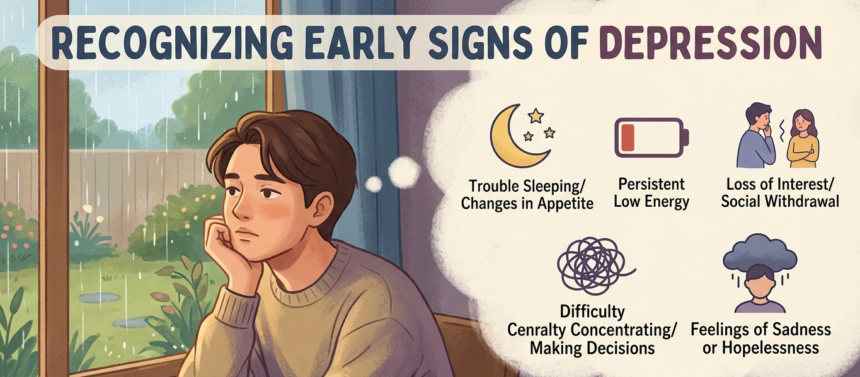
Depression is a common mental health condition that affects how a person feels, thinks, and manages daily activities. Everyone experiences sadness from time to time, but depression involves persistent symptoms that last for weeks or longer and can interfere with work, school, relationships, and overall well-being.
Recognizing the early signs of depression is important because early support and treatment can improve recovery and quality of life.
What Is Depression?
Depression is a mental health disorder characterized by ongoing feelings of sadness, hopelessness, or loss of interest in activities that were once enjoyable. It can affect people of all ages and backgrounds.
Depression is a medical condition—not a sign of weakness or a personal failure.
Persistent Sadness
One of the earliest signs of depression is feeling sad, empty, or tearful most of the day for at least two weeks. These feelings often continue even when there is no obvious reason.
Persistent low mood may make everyday activities feel more difficult.
Loss of Interest
People with depression often lose interest in hobbies, social events, exercise, or activities they previously enjoyed.
This loss of pleasure, known as anhedonia, is a common symptom of depression.
Changes in Sleep
Depression can affect sleep patterns. Some people have difficulty falling or staying asleep, while others sleep much more than usual.
Poor sleep can increase fatigue and make symptoms feel worse.
Fatigue and Low Energy
Feeling tired most of the time, even after adequate rest, is another common sign. Daily tasks may require more effort, and motivation can become very low.
Persistent fatigue should not be ignored, especially when combined with other symptoms.
Changes in Appetite
Depression may cause noticeable changes in eating habits. Some people lose their appetite and unintentionally lose weight, while others eat more than usual and gain weight.
These changes vary from person to person.
Difficulty Concentrating
People experiencing depression may find it difficult to focus, remember information, make decisions, or complete everyday tasks.
Problems with concentration can affect work, school, and personal responsibilities.
Feelings of Worthlessness or Guilt
Depression can lead to excessive self-criticism, feelings of worthlessness, or inappropriate guilt.
These thoughts may not reflect reality but can strongly affect self-esteem and emotional well-being.
Social Withdrawal
Someone with depression may begin avoiding family, friends, or social activities. They may prefer to spend more time alone and lose interest in maintaining relationships.
Social isolation can sometimes worsen depressive symptoms.
When to Seek Professional Help
If symptoms last two weeks or longer, interfere with daily life, or become increasingly severe, it is important to seek help from a healthcare professional or licensed mental health provider.
If you or someone else has thoughts of self-harm or suicide, seek immediate help from local emergency services or a crisis hotline. Early support can make a significant difference.
Supporting Mental Well-Being
Healthy habits may support overall mental health alongside professional care. Regular physical activity, adequate sleep, a balanced diet, staying connected with supportive people, and stress-management techniques can all be helpful.
These strategies are supportive but are not a substitute for professional treatment when depression is present.
Conclusion
Recognizing the early signs of depression allows people to seek help before symptoms become more severe. Persistent sadness, loss of interest, fatigue, sleep changes, and difficulty concentrating are among the common warning signs.
Depression is treatable, and many people improve with appropriate support, therapy, medication when recommended, or a combination of treatments. Seeking help early is an important step toward recovery.
Frequently Asked Questions (FAQs)
1. What are the early signs of depression?
Common early signs include persistent sadness, loss of interest in activities, fatigue, sleep changes, appetite changes, and difficulty concentrating.
2. How is depression different from normal sadness?
Sadness is usually temporary and linked to specific events. Depression lasts longer, is more persistent, and significantly affects daily life.
3. How long do symptoms need to last?
Symptoms that persist for two weeks or more and affect daily functioning should be evaluated by a healthcare professional.
4. Can children and teenagers experience depression?
Yes. Depression can affect people of all ages, including children and adolescents, although symptoms may appear differently.
5. What causes depression?
Depression can result from a combination of genetic, biological, psychological, and environmental factors.
6. Is depression treatable?
Yes. Many people recover with treatments such as psychotherapy, medication when appropriate, lifestyle changes, or a combination of these.
7. Can exercise help depression?
Regular physical activity may improve mood and support treatment, but it should not replace professional care for moderate to severe depression.
8. When should someone seek medical help?
If symptoms last two weeks or longer, worsen over time, interfere with daily life, or include thoughts of self-harm, professional help should be sought promptly.
9. Can depression affect physical health?
Yes. Depression may contribute to fatigue, sleep problems, appetite changes, headaches, and other physical symptoms.
10. How can family members support someone with depression?
Listen without judgment, encourage them to seek professional help, stay connected, offer practical support, and take any talk of self-harm or suicide seriously.