

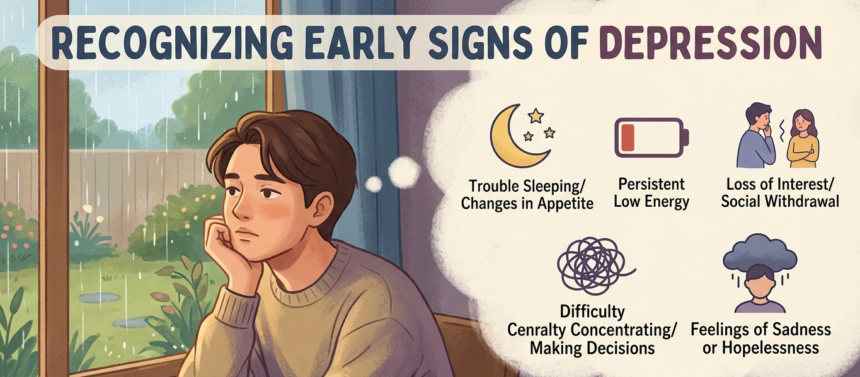
Recognizing Early Signs of Depression

admin
By admin
19 Min Read

Introduction to Depression

Depression is a common mental health disorder characterized by a persistent feeling of sadness, loss of interest, and a range of emotional and physical problems. It can severely impair daily functioning, affecting an individual’s ability to work, engage in social activities, and maintain relationships. Understanding the definition and implications of depression is crucial, as it can manifest in diverse ways, varying in intensity and duration from one person to another.

Current statistics emphasize the widespread nature of this condition; according to the World Health Organization, over 264 million people of all ages are affected by depression worldwide. This prevalence underscores the urgent need for awareness regarding early signs and symptoms. Recognizing these signs is vital as it can lead to timely interventions, which often result in better outcomes for those affected. Ignoring initial symptoms can lead to more severe health repercussions and hinder the individual’s capacity to cope with daily life.

Depression does not discriminate; it can afflict anyone regardless of age, gender, or background. Symptoms may range from emotional issues such as extreme sadness and irritability to physical symptoms, including fatigue and unexplained aches. Additionally, depression can often co-occur with anxiety disorders, complicating the experience for many individuals. An important aspect to consider is that each person’s experience with depression can differ substantially; while some may feel a dull sense of hopelessness, others might experience overwhelming despair. Understanding these variations is integral to fostering empathy and encouraging individuals to seek help. By prioritizing awareness and education about this mental health crisis, we can contribute to a more supportive environment that encourages those in distress to come forward and receive necessary treatment.

Common Emotional Symptoms

One of the primary indicators of depression lies in the emotional realm, where specific symptoms can significantly alter an individual’s mental state. Persistent sadness is often the most recognized sign; it manifests as a lingering feeling of despondency that seemingly has no clear cause. Individuals may find themselves engulfed in a sense of sorrow that does not dissipate, impacting their day-to-day functioning and overall quality of life.

Feelings of hopelessness frequently accompany this pervasive sadness. Those struggling may experience a profound sense of despair, believing that their situation will never improve. This pessimistic outlook can lead to a withdrawal from supportive relationships and activities once enjoyed, as they may feel that nothing can alleviate their sense of futility. Such thoughts can become cyclical, exacerbating the emotional symptoms of depression and further entrenching the individual in negativity.

Irritability is another prevalent emotional symptom, where individuals may find themselves more easily agitated or frustrated. This heightened irritability does not stem from external factors alone but often arises from the internal turmoil associated with depression. It can manifest as short tempers, emotional outbursts, or an inability to cope with stressors that were previously manageable. Over time, this irritability can erode relationships, leading to isolation, which often compounds depressive feelings.

These emotional symptoms collectively paint a picture of an individual’s mental health struggle. The integration of persistent sadness, hopelessness, and irritability not only influences personal well-being but also creates barriers in social interactions and daily responsibilities. Recognizing these signs early can be crucial in prompting someone to seek help or support for their mental health challenges.

Changes in Physical Health

One of the less recognized aspects of early-stage depression is the impact it can have on physical health. Individuals experiencing depression may encounter a range of symptoms that affect their bodily well-being. A common sign is fatigue, which often goes beyond the typical tiredness after a long day; this fatigue is often pervasive and can hinder daily functioning. This profound sense of tiredness can create a cycle where individuals engage less in physical activities, which in turn worsens their overall energy levels.

Another physical symptom of early depression is the alteration in sleep patterns. Some may find themselves sleeping excessively, struggling to get out of bed, while others might experience insomnia, leading to an inability to maintain a regular sleep schedule. These sleep disturbances can further amplify feelings of irritability and cognitive impairment, which are often associated with depression.

Appetite changes also constitute a notable sign of early depression. Individuals may either lose their appetite entirely or indulge in overeating, seeking comfort in food. These fluctuations in eating habits can lead to noticeable weight gain or loss, further complicating the individual’s physical health and well-being. Misinterpretations of these changes often occur, as they may be considered transient lifestyle choices rather than warning signs of a more significant issue.

It is crucial to recognize the relationship between these physical symptoms and mental health. Often, individuals dismiss their fatigue, sleep disruptions, or appetite changes as temporary inconveniences or stress-related responses. However, these may serve as early indicators of depression that should not be overlooked. Addressing these early signs can lead to more effective interventions and support, potentially altering the trajectory of an individual’s mental health journey.

Social Withdrawal and Isolation

Social withdrawal and isolation are common early signs of depression. Individuals who are experiencing these symptoms often find themselves retreating from social interactions that once brought them joy. This withdrawal can manifest in various ways, such as declining invitations, avoiding gatherings, or limiting interactions with friends and family.

There are several reasons why those affected may choose to isolate themselves. Feelings of hopelessness and worthlessness are prevalent during depressive episodes, leading individuals to believe that they are a burden to those around them. Consequently, they may withdraw to minimize the perceived strain on their relationships. Additionally, a lack of energy and motivation can make socializing feel overwhelmingly exhausting, resulting in further avoidance.

The implications of social withdrawal can be significant. Isolation can exacerbate feelings of loneliness and despair, creating a cycle that is difficult to break. Furthermore, distancing oneself from support networks can limit the opportunity for individuals to receive the help that they may need. Loved ones might become concerned about their behavior but may not know how to approach the situation, leading to further strain in relationships.

It is crucial to recognize when social withdrawal becomes a concerning pattern. Changes in behavior, such as consistently declining social invitations, difficulty engaging in communication, and a preference for solitude over companionship, can be red flags for emerging depressive symptoms. Understanding these early signs helps foster awareness and can encourage timely interventions. Anyone experiencing such changes in their social life should be encouraged to seek support, whether through friends, family, or mental health professionals, as connecting with others is vital for overall emotional wellness.

Cognitive Changes Associated with Early Depression

Depression can manifest in a variety of ways, notably through cognitive changes that are often overlooked. Individuals experiencing early symptoms of depression may find themselves grappling with difficulty concentrating, which can impede their ability to focus on tasks at work, engage in educational pursuits, or even carry out routine responsibilities in their personal lives. The inability to maintain attention can lead to a decreased efficiency in job performance, impacting overall productivity and work relationships.

Moreover, memory problems frequently accompany depressive states. An affected individual might struggle to recall information they previously knew, leading to frustration and a sense of helplessness. This cognitive challenge can be particularly detrimental in educational settings, where retention of information is crucial. Students may notice a decline in their academic performance due to increased forgetfulness or an inability to follow through on assignments.

Indecisiveness is another warning sign that often signals the onset of depression. Individuals may find themselves overwhelmed by minor decisions, which can stem from a pervasive sense of hopelessness or lack of motivation. This indecision can further complicate personal relationships and hinder social interactions, as individuals may avoid making commitments or plans altogether due to their apprehension.

The cumulative effects of these cognitive symptoms can create a troubling cycle, where difficulties in concentration, memory, and decisiveness exacerbate feelings of inadequacy and low self-esteem. Recognizing these early signs is crucial, as addressing them may prevent the progression of depression, enabling individuals to seek appropriate help and support.

Behavioral Changes

Behavioral changes can be a significant indicator of early depression, revealing the internal conflicts and emotional distress experienced by individuals. One of the most noticeable changes is the neglect of responsibilities. Individuals may find it increasingly difficult to maintain their usual obligations, whether at work, school, or home. This neglect can manifest in missed deadlines, lack of participation in activities, or failure to manage basic household chores. Such behavior often reflects a profound sense of hopelessness or a diminished capacity to engage with daily life.

Another important behavioral change is the alteration of routines. People suffering from early signs of depression may withdraw from previously enjoyed activities without apparent reason. Regular social engagements with friends or family may decrease, leading to social isolation. Previously established healthy habits, such as regular exercise or hobbies, may be replaced by more sedentary behaviors, further exacerbating feelings of lethargy and disconnection. This shift can significantly affect overall well-being, reinforcing the cycle of depression.

Moreover, engaging in risky activities can also be a troubling sign of emerging depression. Individuals may resort to self-destructive behaviors such as substance abuse, reckless driving, or other dangerous pursuits as a misguided attempt to cope with overwhelming emotions. Such actions not only pose immediate physical risks but also indicate a lack of concern for one’s own welfare, highlighting the severity of their internal struggle. Recognizing these behavioral changes is crucial, as they serve as vital indicators that someone may be grappling with early depression. Timely intervention and support can markedly influence their journey towards recovery.

Impact of Life Events and Stressors

Life events and stressors can significantly influence mental health, often acting as catalysts for the onset of depressive symptoms. Major changes—whether positive or negative—can create emotional turmoil, leading to feelings of overwhelming sadness or anxiety that may indicate a deeper issue. It is essential to recognize that while many people experience temporary mood fluctuations in response to stress, persistent feelings of depression may signal a more serious concern.

Common life events that can trigger these feelings include the loss of a loved one, divorce, job loss, relocation, or even significant milestones like graduating or retirement. Each of these scenarios uniquely impacts individuals, potentially leading to an emotional imbalance. For example, the death of a family member can elicit profound grief, which is a natural reaction. However, this grief can sometimes transition into a state of depression if the feelings of loss persist for an extended period or become increasingly intense. Similarly, the stress associated with changing jobs can lead to anxiety and self-doubt, which can spiral into a depressive episode if not addressed.

Understanding the distinction between normal emotional responses and signs of depression is crucial. Normal responses are often characterized by temporary feelings of sadness or anxiety; they typically diminish as individuals adjust to their new circumstances. In contrast, signs of depression may manifest as ongoing feelings of hopelessness, a lack of interest in previously enjoyed activities, changes in sleeping or eating patterns, and difficulties concentrating. Individuals experiencing these symptoms should consider reaching out for professional support, as early intervention can mitigate the progression of depression and enhance overall well-being.

How to Seek Help

Recognizing the early signs of depression is the first crucial step towards recovery, but seeking help can often feel daunting. The process begins with acknowledging your feelings and understanding that reaching out is a significant part of addressing mental health challenges. Connecting with trusted friends or family members can be an effective initial step. Discussing your emotions with someone who will listen without judgment can provide comfort and understanding, helping to alleviate feelings of isolation.

In addition to seeking support from loved ones, professional therapy is another pivotal avenue for addressing early signs of depression. Licensed mental health professionals specialize in providing coping strategies and therapeutic techniques tailored to individual needs. Therapists can guide clients through cognitive-behavioral therapy (CBT), mindfulness, and other approaches to help manage symptoms and develop healthier thought patterns. It is vital to remember that seeking therapy is a proactive step and not a sign of weakness. Many find that engaging with a counselor opens pathways to deeper self-understanding and healing.

If symptoms persist or worsen, considering a medical evaluation is advisable. Mental health disorders can sometimes be linked to physiological issues that may require treatment. A healthcare provider can assess your symptoms and, if appropriate, discuss treatment options, including medications that can be effective in managing depression. This medical evaluation provides an additional layer of support, ensuring a comprehensive approach to mental health.

Ultimately, seeking help is a personal journey that varies for each individual. Whether you choose to confide in friends, reach out for professional therapy, or consult a medical expert, recognizing the importance of support in dealing with early signs of depression can lead to positive outcomes. Taking the step to seek help not only fosters resilience but also enhances your ability to navigate life’s challenges.

Conclusion and Importance of Awareness

Recognizing the early signs of depression is crucial, not only for individuals experiencing these symptoms but also for their friends and loved ones. This awareness can lead to timely intervention and support, potentially altering the trajectory of the individual’s mental health journey. Early detection can foster a sense of understanding and compassion, encouraging those affected to seek professional help before the situation worsens.

Moreover, developing a culture of vigilance can significantly enhance the overall well-being of a community. Encouraging open conversations about mental health can help destigmatize depression, making it easier for individuals to share their struggles without fear of judgment. Friends and family play an essential role in this process, as they can often notice changes in behavior that the individual may overlook. By being attentive and supportive, they can provide a foundation of care and reassurance.

It is also vital to educate oneself about the various signs of depression. Symptoms can range from persistent sadness and fatigue to changes in appetite and sleep patterns. Understanding these indicators not only aids in personal recognition but also enables individuals to assist others who may be suffering silently. Providing a safe space for open dialogue about feelings and mental health can encourage those who are struggling to seek the help they need.

Ultimately, fostering a supportive environment is paramount in combating depression. This environment relies on understanding, patience, and education. By remaining vigilant and compassionate, both individuals and communities can create a safety net that captures those in distress, helping them navigate through their challenges and seek the support necessary for recovery.

TAGGED:
Share This Article
Leave a comment

Leave a Reply

Your email address will not be published. Required fields are marked *