

Introduction to Smart Home Appliance Maintenance
The advent of smart home technology has revolutionized the way we interact with our environments, making daily tasks more manageable and efficient. However, just like traditional appliances, smart home devices require regular maintenance to ensure they operate at peak performance. Proper care for these advanced appliances not only extends their lifespan but also enhances their efficiency and functionality.
Neglecting maintenance on smart home appliances can lead to a range of issues. For instance, unclean sensors may cause devices to perform poorly, while outdated firmware can leave your appliances vulnerable to security threats. Regular maintenance checks allow users to identify and resolve potential issues before they escalate, which can save both time and money in the long run.
A wide variety of smart home appliances necessitate diligent upkeep, including smart thermostats, intelligent lighting systems, robotic vacuum cleaners, and smart refrigerators. Each of these devices has unique maintenance requirements, from cleaning and software updates to hardware inspections. Engaging in routine maintenance ensures that these devices function optimally, providing the benefits of convenience, energy efficiency, and enhanced security.
In the following sections, we will delve into specific maintenance tips tailored to various types of smart home appliances, outlining actionable strategies that homeowners can adopt. By adopting a proactive approach to appliance care, users can enjoy the full array of features these devices offer while avoiding the pitfalls associated with neglect.
Understanding Your Smart Home Appliances
The landscape of household appliances has transformed dramatically with the advent of smart technology. Smart home appliances such as smart refrigerators, washing machines, thermostats, and security systems are designed to enhance convenience and efficiency within the home. Understanding these devices and their unique functionalities is crucial for their maintenance and longevity.

Smart refrigerators are equipped with features such as inventory tracking and temperature control settings, enabling users to monitor food freshness and reduce energy consumption. Regularly cleaning the condenser coils and replacing water filters are essential maintenance tasks that prevent system overloads and ensure optimal performance.
Similarly, smart washing machines often include advanced wash cycles and mobile connectivity, allowing for remote monitoring and control. To maintain their efficiency, it is important to regularly clean the detergent drawer and run maintenance cycles as recommended by the manufacturer. This not only enhances cleaning performance but also prolongs the life of the appliance.
Smart thermostats play a pivotal role in regulating home temperature. They learn user behaviors over time and adjust settings accordingly. Ensuring that the thermostat sensor is unobstructed and updating its software regularly can help maintain its efficiency. Proper placement in the home is also crucial to maximize accuracy in temperature readings.
Finally, security systems have become integral to the modern smart home, providing peace of mind through features such as remote video access and smart alarms. Routine checks of camera settings, alarm batteries, and software updates are necessary to ensure that these systems function correctly and to secure the home effectively.
Recognizing the specific maintenance needs of each smart appliance ultimately leads to enhanced performance and extends their lifespan. By understanding their distinct features, homeowners can take proactive steps, ensuring the smart devices continue to function optimally for years to come.
Regular Cleaning Routines
Maintaining the cleanliness of smart home appliances is crucial in ensuring their optimal performance and longevity. Developing a regular cleaning routine not only helps in the effective functioning of these devices but also enhances hygiene within the home. The cleaning frequency and methods can vary by appliance type, but certain universal practices can be applied.
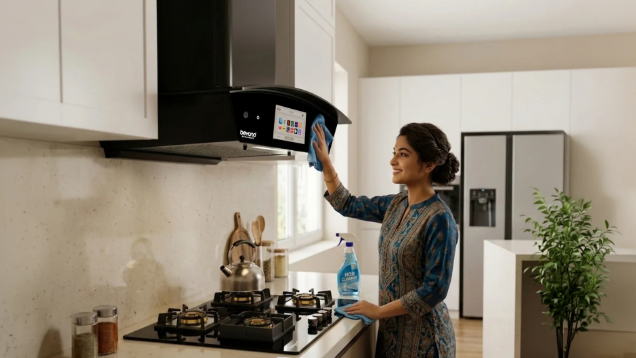
For kitchen appliances like smart refrigerators and ovens, it is advisable to clean them weekly. Utilize mild soap solutions or vinegar for cleaning surfaces, and ensure that you avoid abrasive materials that can scratch or damage outer finishes. It is also essential to disinfect handles and often-touched areas to prevent the buildup of germs.
Smart thermostats and air purifiers, on the other hand, should be cleaned monthly. Wipe down surfaces with a damp cloth, and ensure that any filters in air purifiers are checked and replaced according to the manufacturer’s guidelines. Regularly cleaning these components helps improve air quality, which is a primary function of smart applainces.
For devices like smart speakers, a simple dusting once every two weeks will suffice. Use a microfiber cloth that can effectively trap dust without scratching the device. Be mindful to avoid using any liquid cleaners directly on the speaker, as moisture can seep into the electronics.
Furthermore, it is critical to read and follow the manufacturer’s instructions regarding cleaning. This ensures the use of appropriate cleaning products and methods tailored for each appliance, enhancing both their efficiency and safety. Finally, act with caution; always unplug appliances before cleaning to prevent accidental short circuits or damage.
Regular Software Updates and Security Checks
In today’s digital age, the functionality and security of smart home appliances heavily rely on their software. Regular software updates are essential for maintaining optimal performance and ensuring that these devices operate seamlessly. Manufacturers frequently release updates that address bugs, improve functionality, and enhance security measures. Ignoring these updates can lead to performance issues and expose your devices to potential vulnerabilities.
To ensure your smart appliances are up to date, it is advisable to check for software updates periodically. Many modern appliances come equipped with built-in notifications that inform users when an update is available. Alternatively, users may need to navigate through the device’s application or the manufacturer’s website to manually check for and download updates. The process typically involves following a few simple steps, which can significantly increase the efficiency and lifespan of the appliance.
Firmware plays a crucial role in the overall functionality of smart devices. This low-level software controls how the hardware operates and communicates with other components. Outdated firmware can hinder performance, leading to operational glitches or a complete malfunction. Updating firmware not only improves device responsiveness but also contributes to enhanced security by patching known vulnerabilities that could be exploited by hackers.
Security checks should be an integral part of the maintenance routine for smart home appliances. Changing default passwords, enabling two-factor authentication, and regularly monitoring device activity can help protect against unauthorized access. Moreover, using a secure Wi-Fi network and disabling unnecessary remote access features can further ensure your devices are safeguarded against potential threats. By prioritizing regular software updates and implementing effective security measures, users can significantly extend the lifespan of their smart home appliances while enhancing their overall performance.
Proper Usage and Operational Guidelines
Ensuring the longevity and efficiency of smart home appliances largely hinges on their proper usage. Adhering to specific operational guidelines not only enhances performance but also mitigates the wear and tear that can diminish an appliance’s lifespan.
One of the primary considerations when using smart appliances is to respect their load capacities. Whether it be a washing machine, dishwasher, or refrigerator, overloading can lead to mechanical strain, resulting in reduced efficiency and potential breakdowns. Users should consult the manufacturer’s guidelines regarding optimal loads to prevent such issues.
Additionally, optimizing settings based on the task at hand can significantly impact the performance of smart appliances. Many devices come with various modes designed for specific functions – utilizing these features can lead to improved energy efficiency and reduced operational costs. For example, dishwashers may have a quick wash option for lightly soiled items, consuming less water and energy compared to regular cycles.
Features such as energy-saving modes or delay settings are specifically designed to enhance the functionality of smart appliances. Engaging these options can minimize wear and tear while still ensuring the tasks are completed effectively. Furthermore, improper use of smart features, such as neglecting regular updates or failing to calibrate settings, may lead to inefficient operation and unexpected expenses over time.
It is also essential to be aware of common mistakes that users make. For instance, failing to clean or maintain smart appliances can lead to obstruction in their functionality. Residual grime can hamper performance and even result in damage. Users should establish a routine for cleaning and servicing their appliances regularly, adhering to the specific cleaning instructions provided by manufacturers to ensure optimal operation.
Seasonal Maintenance Checks
Seasonal maintenance checks are essential for prolonging the lifespan of smart home appliances while enhancing their performance. By adhering to a structured maintenance schedule, homeowners can ensure that their appliances are appropriately prepared for seasonal changes. Establishing routine checks can aid in identifying potential issues before they escalate into costly repairs.
During the spring and summer months, focus on appliances that are critical for climate control and food preservation. This includes checking the cooling efficiency of refrigerators and air conditioning units. Homeowners should ensure that filters are clean and efficiently functioning, while also verifying that exterior units are clear of debris which can hinder performance. Additionally, smart washing machines may require checks of water hoses and connections to prevent leaks during heavy use. Performing these checks can mitigate operational inefficiencies and enhance energy savings.
When transitioning into the fall and winter, particular attention should be directed towards heating systems. This includes ensuring smart thermostats are calibrated for optimal performance and that all vents and filters are cleaned. It’s prudent to inspect humidifiers and other moisture control devices, as winter months often bring dry air. Additionally, for those with smart irrigation systems, ensuring they are winterized can prevent potential water damage and plumbing issues.
To optimize the performance of smart appliances through seasonal transitions, a recommended maintenance schedule can be beneficial. Performing checks quarterly allows homeowners to address various appliances in a timely manner. For instance, the spring can be focused on cleaning out the refrigerator and checking air conditioning systems, while the fall may involve checking heating units and humidifiers. This proactive approach not only prolongs appliance lifespans but also improves their functionality throughout the year.
Troubleshooting Common Issues
Smart home appliances enhance everyday convenience but may occasionally exhibit problems that hinder their operation. Understanding how to troubleshoot common issues can significantly extend the life of your smart devices. This section outlines some frequent challenges users encounter and provides step-by-step solutions.
One prevalent issue is connectivity problems. Smart devices rely on a stable Wi-Fi connection to function effectively. If you experience difficulties connecting your appliance to the network, start by checking the strength of the Wi-Fi signal. Position the router closer to the device or remove any obstacles that may interfere with the signal. Additionally, restarting both the router and the appliance can resolve temporary glitches. If the problem persists, ensure that your appliance’s firmware is up-to-date, as manufacturers often release updates to fix connectivity bugs.
Another common issue pertains to malfunctioning sensors. Many smart appliances, like thermostats or smoke detectors, utilize sensors for correct functionality. If an appliance appears unresponsive or inaccurately reports data, begin troubleshooting by cleaning the sensors, as dirt or dust can hinder their performance. Refer to the user manual for specific cleaning instructions, as improper cleaning may cause further issues. In some cases, resetting the appliance to factory settings can help restore functionality.
If these troubleshooting steps do not resolve the problem, it may be time to seek professional help. Contacting the appliance manufacturer or a qualified technician can provide additional support. When reaching out, have the model number and a detailed description of the issue ready to expedite the troubleshooting process.
Maintaining proactive troubleshooting practices for your smart home appliances can help ensure their longevity and performance. Regular checks and timely intervention are key to enjoying the benefits these devices offer.
Professional Maintenance Services
When it comes to maintaining smart home appliances, professional maintenance services play a crucial role in ensuring their longevity and optimal performance. These services are particularly beneficial when a device exhibits malfunctions that cannot be resolved through basic troubleshooting. For many homeowners, knowing when to call in the professionals can save time, extend the lifespan of their appliances, and often prevent costly repairs down the line.
One of the primary advantages of engaging a professional service is their expertise in dealing with complex smart technology. Most professionals are trained and certified to troubleshoot and repair a wide array of appliances from different brands. They typically follow a thorough process, which includes detailed inspections, diagnostics to identify issues, and comprehensive repairs. It is also common for professionals to provide preventive maintenance, ensuring that your appliances not only work efficiently but also comply with safety standards.
Costs associated with professional maintenance services can vary widely based on various factors including the type of appliance, the extent of the issue, and the service provider. On average, homeowners can expect to pay anywhere from $100 to $300 per service call. Some companies may offer membership plans that include regular maintenance checks at a discounted rate, which can be a worthwhile investment for the frequent user of smart appliances.
Finding a reputable service provider is essential for effective maintenance. Homeowners should start by seeking recommendations from friends or family, or checking online reviews and ratings for local professionals. Verify that any potential service provider has the necessary certifications and licenses to perform maintenance on smart home appliances. It’s also prudent to request quotes and service details upfront to ensure transparency in pricing and services rendered.
Conclusion and Final Thoughts
Maintaining smart home appliances is pivotal for extending their operational lifespan and ensuring consistent performance. Throughout this blog post, we have explored various tips and best practices that can help you achieve a more efficient and effective maintenance routine. Regular upkeep is essential not only for the functionality of these advanced devices but also for maximizing the return on your investment.
One of the key takeaways is the importance of routine cleaning. Regularly removing dust and debris from your appliances can significantly enhance their efficiency and effectiveness. Furthermore, ensuring that appliances receive periodic firmware updates is crucial for both security and performance improvements. By staying on top of software updates, you can ensure that your devices operate optimally and incorporate the latest features.
The benefits of proactive maintenance cannot be overstated. Simple tasks, such as checking filters, ensuring proper ventilation, and managing appliance usage habits, can lead to longevity and improved performance. Additionally, troubleshooting minor issues as they arise can prevent more significant problems down the line, saving you time and money.
We encourage readers to take a few moments each month to assess the condition of their appliances and implement the maintenance tips discussed in this blog post. Consistency is key; by prioritizing regular maintenance, you can avert unexpected breakdowns and ensure a reliable smart home environment. In conclusion, adopting a mindful approach to appliance care will undoubtedly serve your household well and ultimately extend the lifespan of your smart home technology.