

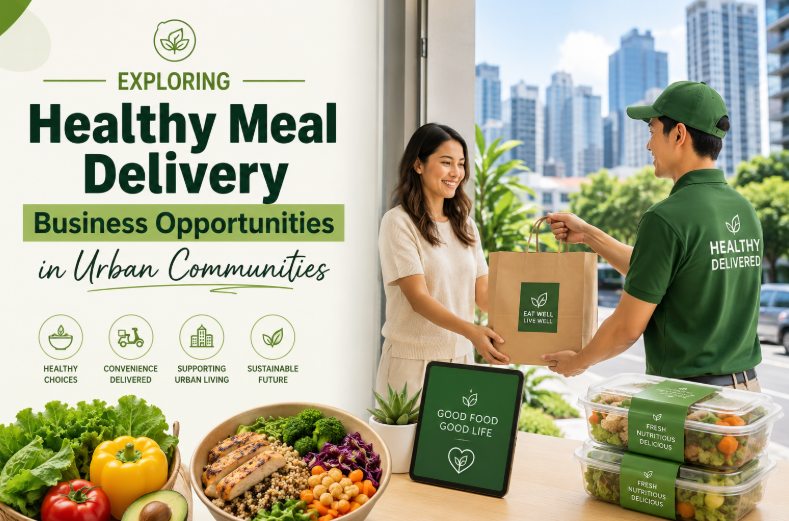
The hustle and bustle of urban life often leaves little room for cooking nutritious meals. As city dwellers juggle work, family, and social commitments, the demand for healthy eating options has skyrocketed. Enter the rise of healthy meal delivery services—an innovative solution to a growing problem. These companies are changing how we think about food access in urban areas by providing convenient, wholesome meals right at our doorstep.
But what does this mean for entrepreneurs looking to tap into this thriving market? With a focus on health and sustainability, these businesses not only cater to busy lifestyles but also contribute positively to local communities. Let’s dive deeper into the benefits that these services bring and explore the exciting opportunities they present in urban environments.
The Benefits of Healthy Meal Delivery for Urban Communities
Healthy meal delivery services play a pivotal role in urban communities. They provide convenient access to nutritious meals, especially in areas where grocery stores may be sparse.
For busy professionals and families, these services save time. Residents can enjoy healthful options without the hassle of shopping or cooking after long days at work.
Moreover, they promote better eating habits by offering balanced meals designed by nutrition experts. This helps combat lifestyle-related issues like obesity and diabetes prevalent in many urban settings.

The variety offered also caters to diverse dietary needs and preferences—vegan, gluten-free, or low-carb options are often just a click away.
Additionally, supporting local farmers through partnerships with meal delivery companies boosts the local economy while reducing food miles. Fresh ingredients straight from nearby farms ensure quality and taste that frozen alternatives simply can’t match.
Challenges Faced by Healthy Meal Delivery Businesses in Urban Areas
Healthy meal delivery businesses in urban areas often encounter various challenges. High competition is a significant hurdle. Numerous options saturate the market, making it tough for new entrants to stand out.
Logistics can also be tricky. Navigating busy city streets and managing timely deliveries requires efficient planning and resources. Traffic jams can lead to delays, frustrating customers who expect prompt service.
Pricing presents another challenge. Urban consumers often look for affordable options while demanding high-quality ingredients. Striking the right balance between cost and quality is essential yet difficult.
Additionally, regulatory hurdles may surface. Food safety regulations differ by location and can complicate operations for small businesses trying to grow.
Understanding diverse customer preferences across neighborhoods is crucial but complex. Catering to varying dietary needs within urban communities demands flexibility and creativity from meal providers.
Successful Examples of Healthy Meal Delivery Businesses in Urban Communities
Many healthy meal delivery businesses have found success in urban areas by catering to the unique needs of city dwellers. One standout is Fresh n’ Lean, which offers organic, chef-prepared meals delivered right to customers’ doors. Their focus on seasonal ingredients appeals to health-conscious consumers.
Another example is Green Chef, emphasizing sustainable and diet-specific options like keto and paleo meals. They leverage local farms for fresh produce and are gaining traction among those seeking convenience without compromising quality.
Hungryroot takes a different approach with its personalized meal plans based on dietary preferences. This flexibility resonates well with busy professionals who want nutritious choices tailored just for them.
These companies illustrate how understanding community needs can drive growth in the healthy meal delivery sector, creating a win-win situation for both entrepreneurs and urban residents looking for better eating habits.
How to Start a Healthy Meal Delivery Business in an Urban Area
Starting a healthy meal delivery business in an urban area requires careful planning and execution. Begin by conducting market research to identify your target audience. Understand their dietary preferences and lifestyle needs.
Next, create a solid business plan that outlines your concept, budget, and goals. Consider partnering with local farms or suppliers for fresh ingredients. This not only supports the community but can enhance the quality of your meals.
Focus on menu variety while catering to different dietary restrictions like vegan, gluten-free, or keto options. A diverse offering will attract a broader customer base.
Invest in efficient logistics to ensure timely deliveries within the bustling urban environment. Use technology for order management and route optimization to streamline operations effectively.
Build an online presence through social media platforms and a user-friendly website where customers can easily place orders and access information about nutrition facts and sourcing practices.
Marketing Strategies for Healthy Meal Delivery Businesses in Urban Communities
To effectively market a healthy meal delivery business in urban areas, embrace local partnerships. Collaborate with gyms, wellness centers, or farmers’ markets to showcase your offerings. These alliances can boost visibility and establish credibility.
Harness the power of social media. Platforms like Instagram and Facebook are ideal for sharing visually appealing images of meals. Use engaging stories to connect with your audience on a personal level.
Consider offering promotions for first-time customers or referral discounts. This strategy encourages word-of-mouth marketing within communities and brings new clients through the door.
Content marketing is another effective tool. Create blog posts that educate about nutrition and healthy eating habits while highlighting how your service simplifies their lives.
Don’t overlook community events either. Set up booths at local festivals or health fairs to give potential customers a taste of what you offer while building brand presence in the neighborhood.
Conclusion: The Future of Healthy Meal Delivery in Urban Areas
The future of healthy meal delivery in urban areas looks promising. As more people become health-conscious, the demand for convenient and nutritious options continues to rise. Urban communities are increasingly recognizing the importance of maintaining a balanced diet amidst their busy lifestyles.
Technology will play a significant role in shaping this industry. With advancements in app development and online ordering systems, businesses can streamline operations while enhancing customer experience. Sustainable practices, such as sourcing local ingredients and using eco-friendly packaging, are also gaining traction among consumers.
As competition grows, innovative approaches will be essential for success. Businesses that focus on personalization—offering tailored meal plans based on dietary preferences or restrictions—are likely to attract loyal customers.
Urban centers offer unique opportunities for growth within this sector. By understanding community needs and addressing challenges specific to city living, entrepreneurs can carve out a niche market that thrives on health-oriented dining solutions.
With increasing awareness around wellness and nutrition, the landscape of food service is evolving rapidly. Healthy meal delivery services stand at the forefront of this shift toward better eating habits in urban environments.