


Introduction to Sustainable Agriculture
Sustainable agriculture is a holistic approach to farming that aims to balance the need for food production with the preservation of environmental health. It defines a framework where agricultural practices can continue to produce food not just for the present, but also for future generations. Sustainable agriculture encompasses a wide array of methods and techniques focused on minimizing environmental impact while maximizing production efficiency.
The significance of sustainable agriculture in food production is profound. As the global population continues to rise, there is increasing pressure on agricultural systems to deliver more food with fewer resources. Sustainable agriculture emerges as a viable solution by emphasizing practices that maintain soil health, increase biodiversity, and reduce reliance on synthetic chemicals. For instance, crop rotation, cover cropping, and conservation tillage are some techniques that enhance soil fertility and structure, ensuring that agricultural land remains productive over time.
One of the core principles of sustainable agriculture is the promotion of biodiversity. This not only involves the cultivation of diverse crops but also the preservation of various species within ecosystems, which supports resilience against pests and diseases. Furthermore, reducing carbon footprints is essential for mitigating climate change, which can be achieved through practices such as agroforestry and organic farming, which sequester carbon in soil and vegetation.
In addition, enhancing ecosystem services—such as pollination, nutrient cycling, and water purification—is vital in sustainable agriculture. These services contribute to overall ecosystem health and provide essential benefits that support agricultural productivity. Ultimately, the goal of sustainable agriculture is to create a farming model that is economically viable, environmentally sound, and socially responsible, fulfilling the needs of the present without compromising the ability of future generations to meet their own needs.
The Role of Technology in Organic Farming
Technology plays a crucial role in enhancing the effectiveness and sustainability of organic farming practices. By integrating technological advancements, organic farmers can optimize their operations and improve crop yields while minimizing environmental impacts. Various types of technology, including precision agriculture, biotechnology, and data analytics, are rapidly becoming integral components of sustainable agriculture.

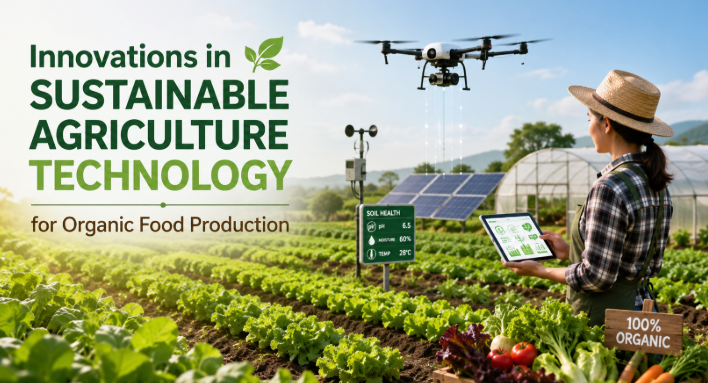
Precision agriculture employs technologies such as GPS and remote sensing to monitor and manage farming processes more accurately. This method allows farmers to apply water, fertilizers, and pesticides more efficiently, reducing waste and adhering to organic standards. Moreover, precision farming tools can help identify soil health and crop performance, guiding farmers to make informed decisions based on real-time data. As a result, the adoption of these technologies not only supports organic farming transitions but also enhances resource management, leading to improved sustainability.
Biotechnology is another pivotal aspect of integrating technology into organic farming. Through techniques such as genetic modification and plant breeding, farmers can cultivate crops that are resistant to pests and diseases while complying with organic regulations. Although there is ongoing debate regarding the ethics of certain biotechnological methods, advancements have made it possible to enhance resilience in crop varieties without compromising organic integrity.
Data analytics further enriches the organic farming landscape, allowing for a deeper understanding of agricultural processes. By analyzing data collected from various sources, farmers can address challenges related to climate change, pest management, and soil fertility. Tools that utilize machine learning and data visualization enable organic farmers to optimize practices, leading to healthier crop production and sustainable yields.
In conclusion, the integration of technology into organic farming practices significantly enhances productivity and sustainability. As innovations in precision agriculture, biotechnology, and data analytics continue to evolve, organic farmers are better positioned to meet the growing demand for organic produce while adhering to ecological principles.
Innovations in Soil Health Management
Soil health management is a cornerstone of sustainable agriculture, particularly within organic food production. Advances in technology and practices have enabled farmers to enhance soil fertility and structure, vital components for organic cultivation. Among these innovations, cover cropping has gained significant attention. By planting cover crops during off-seasons, farmers can prevent erosion, suppress weeds, and improve soil organic matter. This practice not only enriches the soil with nutrients but also promotes the development of beneficial microbial communities.
No-till farming represents another noteworthy advancement. Traditional plowing often disrupts the soil structure and diminishes the organic content. By adopting no-till techniques, farmers maintain the integrity of the soil, allowing it to retain moisture and vital nutrients. This method also reduces the carbon footprint of farming by minimizing the energy required for tillage and increasing carbon sequestration in the soil. Moreover, the reduced soil disturbance fosters a more stable environment for earthworms and various microorganisms integral to soil health.
Composting techniques have also seen significant advancements, enabling farmers to recycle organic waste into valuable fertilizers. Modern compost systems utilize temperature control and aeration to produce compost more quickly and effectively. This not only contributes to improved soil health but also aids in managing waste sustainably. The addition of compost enhances soil texture, increases nutrient availability, and promotes microbial activity, which are essential for sustaining organic crop productivity. As a result, the implementation of these technologies in soil health management not only bolsters the biological, physical, and chemical properties of the soil but also advances the goals of organic farming practices.
Water Conservation Technologies for Organic Farms
Effective water management is crucial for sustainable agriculture, especially within organic farming systems. Innovative water conservation technologies have been increasingly adopted to enhance efficiency and promote sustainability. One prominent technology is drip irrigation, which delivers water directly to the base of plants, significantly reducing water wastage compared to traditional irrigation methods. By providing precise amounts of water, this system not only optimizes water use but also supports healthier crop growth, leading to higher yields, which is essential for organic farmers aiming to meet the demands of the market.
Another vital technique in water conservation is rainwater harvesting. This method involves collecting and storing rainwater for agricultural use, allowing farmers to decrease dependency on groundwater or municipal water supply. Implementing rainwater harvesting systems can significantly alleviate the impact of seasonal droughts and promote resilience in organic farming. The stored rainwater may be used during dry spells, making it an invaluable resource that enhances the sustainability of organic practices.
Furthermore, the integration of moisture sensors into agricultural practices provides additional control over water usage. These sensors assess soil moisture levels in real-time, enabling farmers to determine the precise timing and amount of irrigation required. By utilizing this technology, organic farmers can minimize water input while still maintaining optimal growing conditions for their crops, thus enhancing both resource conservation and productivity.
In conclusion, the adoption of advanced water conservation technologies such as drip irrigation, rainwater harvesting, and moisture sensors represents a significant step toward more sustainable practices in organic agriculture. These innovations not only conserve vital water resources but also contribute to the overall productivity and success of organic farms, ensuring their viability in the face of a changing climate.
Pest and Disease Management Innovations
Effective pest and disease management is crucial for sustainable organic food production. Innovations in this area focus on reducing reliance on synthetic chemicals while maintaining crop health and yield. One of the most significant advancements in organic pest management is the development of biopesticides. These are derived from natural materials such as plants, bacteria, and minerals. Biopesticides are not only effective against various pests but also have a minimal impact on non-target organisms and the environment, making them essential for sustainable agriculture.
Another innovative method gaining traction is the use of pheromone traps. These traps utilize species-specific chemical signals to disrupt mating patterns among pests, ultimately reducing their populations without harming beneficial insects or other wildlife. Pheromone traps have demonstrated success in various crops, and their deployment can lead to healthier ecosystems within agricultural settings.
Integrated Pest Management (IPM) systems represent a comprehensive approach that combines multiple strategies to manage pests sustainably. IPM incorporates biological control, cultural practices, and mechanical methods alongside biopesticides and pheromone traps. By utilizing a holistic approach, farmers can tailor their pest control methods to specific threats and environmental conditions. This helps in reducing chemical inputs while effectively protecting crops from pests and diseases.
Furthermore, advancements in technology, such as precision agriculture, have enabled better monitoring and management of pest populations. Utilizing data analytics and remote sensing, farmers can make informed decisions to apply interventions only when necessary. This targeted approach not only conserves resources but also aligns with the principles of organic production by prioritizing environmental health.
Crop Monitoring and Data Analysis Tools
The advancement of technology has significantly impacted organic farming, particularly through the implementation of crop monitoring and data analysis tools. These innovations enhance the ability of farmers to track and manage their crops, enabling them to maintain high standards of organic production while adapting to changing environmental conditions. Leading the charge in this domain are remote sensing technologies, drones, and sophisticated data analytics software.
Remote sensing is a pivotal component in modern organic farming. It involves the use of satellite imagery and aerial data to monitor plant health and soil conditions across vast agricultural landscapes. By analyzing the reflectance data captured from these sources, farmers can determine crop vitality and identify potential stress factors that may impact growth. This level of detail allows for early intervention, thereby improving overall yield and preserving the integrity of organic practices.
Drones have emerged as valuable tools in crop monitoring, offering unique advantages through high-resolution images and real-time data collection. Equipped with advanced sensors, drones can assess crop conditions more effectively than traditional ground-based methods, providing insights into moisture levels, nutrient deficiencies, and pest infestations. This information is crucial for precision farming, which emphasizes the optimal use of resources to enhance production without compromising sustainability.
Moreover, the integration of data analytics into farming practices enables farmers to make informed decisions based on comprehensive data sets. By employing machine learning algorithms and predictive analytics, farmers can forecast yields and assess the impact of different agricultural practices. This data-driven approach not only improves crop management but also fosters sustainable development in organic food production.
Consumer Perspectives on Sustainable Agriculture Technology
In recent years, there has been a noticeable shift in consumer awareness regarding sustainable agriculture technologies, particularly in relation to organic food production. This shift is reflected in various surveys and studies which indicate a growing preference among consumers for sustainably produced goods. A pivotal study revealed that over 60% of participants are willing to pay a premium for organic products that incorporate sustainable farming practices. This trend suggests a stronger alignment between consumer values and agricultural methods aimed at sustainability.
Moreover, consumers are increasingly informed about the environmental impacts of conventional agricultural practices. Research indicates that 75% of respondents have stated that their purchase decisions are influenced by sustainability-related information, signaling a significant demand for transparency in food sourcing. When consumers understand the methodologies behind food production, including the use of technology in organic farming, they express a higher propensity to support these practices.
Another interesting aspect is the influence of demographics on consumer attitudes towards sustainable agriculture technology. Younger consumers seem to exhibit higher levels of engagement with sustainability issues compared to older generations. A survey conducted among millennials revealed that approximately 70% consider ecological impacts a top priority when choosing food products. Additionally, social media and advocacy campaigns have played a crucial role in shaping these perspectives by promoting awareness and educating the public on the benefits of sustainable technologies.
As consumer demand continues to rise, the adoption of innovative sustainable agriculture technologies is likely to become more robust. This growing consumer-centric approach not only influences market trends but also encourages producers to invest in and utilize advanced technologies that meet the evolving preferences of conscientious consumers. In conclusion, understanding consumer perspectives is essential for fostering the growth of sustainable agriculture technologies in organic food production, thereby ensuring that agricultural practices align with the aspirations and values of the modern consumer.
Challenges in Implementing Sustainable Technologies
The movement towards sustainable agriculture, particularly in the realm of organic food production, has brought forth a range of innovative technologies aimed at reducing environmental impact and enhancing productivity. However, the adoption of these technologies is not without its challenges. One of the most significant obstacles encountered by farmers is the financial burden associated with implementing new systems and practices. The initial investment for sustainable technologies can be substantial, encompassing costs for equipment, training, and potential downtime during the transition period.
Furthermore, the need for specialized training on these innovative techniques can pose a considerable challenge for farmers, especially those operating within traditional frameworks. Many farmers may lack the necessary knowledge and skills required to effectively utilize new technologies, leading to hesitancy in adopting advancements that could ultimately benefit their operations. Educational resources and training sessions are essential, but these may not be readily available or accessible in all regions, further complicating implementation.
Access to resources is another hurdle in the implementation of sustainable agricultural practices. Farmers in rural or economically disadvantaged areas may struggle with limited access to high-quality infrastructure and sustainable inputs. This can create a disparity in the ability to effectively incorporate innovative technologies into their farming practices. Additionally, while sustainable methods can offer long-term benefits, the immediate pressures of market demands and the necessity for short-term yields often lead to resistance against adopting these progressive practices.
In conclusion, while the innovations in sustainable agriculture technology for organic food production hold great promise, addressing these challenges is vital for their successful adoption. By understanding the financial, educational, and resource barriers, stakeholders can devise strategies to facilitate a smoother transition towards sustainability in farming practices.
The Future of Organic Food Production Systems
The future of organic food production systems hinges on the continuous innovation and integration of sustainable agriculture technology. As the global population continues to grow, so does the demand for organic products, necessitating advancements in how we cultivate food while minimizing harm to the environment. Future developments in sustainable agriculture technology present significant opportunities for enhancing organic farming practices.
One anticipated advancement is the integration of precision agriculture techniques, which utilize data analytics, satellite imagery, and IoT devices to optimize farming processes. By harnessing these technologies, organic farmers can monitor soil health, water usage, and crop yields with impeccable accuracy, thus enhancing productivity while adhering to organic standards. These tools not only boost efficiency but also ensure the sustainable management of natural resources.
Moreover, innovations in biotechnology may lead to the development of organic seeds that are more resilient to climate change and pests. These genetically enhanced seeds promise to improve crop yields without resorting to synthetic pesticides or fertilizers. Such improvements align with the core principles of organic farming, promoting sustainability while addressing food security challenges.
The incorporation of urban agriculture systems is another promising trend. Vertical farms and rooftop gardens can deliver organic produce directly to urban centers, reducing transportation emissions and increasing accessibility to fresh food. These innovative solutions can lead to a more localized food production model, enhancing both sustainability and community engagement.
In conclusion, the trajectory of organic food production systems is poised for transformation driven by innovations in sustainable agriculture technology. Embracing these advancements can play a pivotal role in meeting the growing demands for organic food, ensuring that production methods remain environmentally responsible and aligned with the values of health-conscious consumers.