

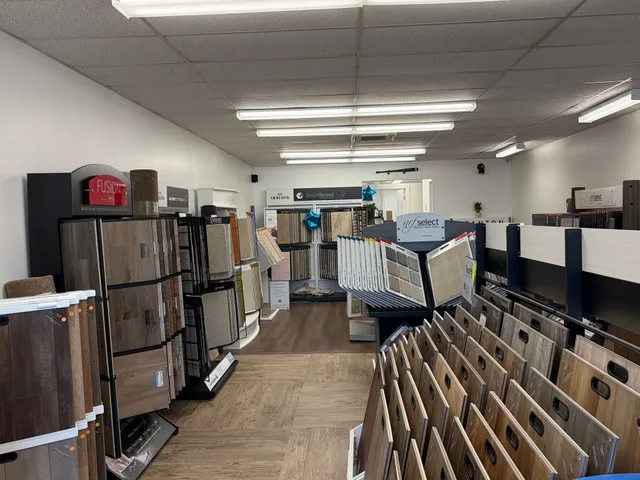
During residential flooring projects, visiting a professional showroom provides access to diverse material options, including hardwood, carpet, and luxury vinyl plank (LVP). An expansive showroom allows homeowners to see life-size applications and accurate textures to help with their selections. Here are some reasons to visit a flooring store for residential projects:
Assess Scratch Resistance
When visiting a flooring showroom, homeowners can compare various materials and evaluate their scratch resistance. This allows them to select durable surfaces that meet their household needs. Flooring options such as laminate and LVP offer durability and resistance to everyday wear, including scratches and stains. Tile is another durable choice; it performs well in high-traffic areas. Selecting a scuff-resistant surface helps preserve a home’s visual appeal for many years.
Flooring store visitors can compare a wide range of brands and review technical construction details side by side. Some modern laminate flooring options replicate the appearance of natural hardwood, and they provide durability and resistance to scratches. Some flooring collections also feature layered construction, which can improve performance and longevity.
Evaluate Underlayment Options
Consumers review underlayment options because the chosen backing may affect long-term stability. While some planks include an attached padding layer, other material variations require a separate underlayment. Shoppers are able to examine different subfloor requirements while browsing physical products, or they can ask consultants to explain structural differences between various brands.
When selecting flooring materials, homeowners should evaluate installation requirements and the needs of their space. Flooring professionals help identify appropriate materials and accessories based on factors such as comfort, durability, and the condition of the existing subfloor. Selecting the correct material layer may improve acoustic insulation, which is ideal for multi-level layouts.

Visiting a flooring showroom allows customers to compare samples, explore different materials, and work directly with experienced flooring professionals. Because each installation has unique requirements, the best flooring choice depends on the home’s layout and design goals. This process helps customers identify options that align with their project needs and create a suitable long-term solution.
Review Moisture Protection
When selecting flooring materials, homeowners should review moisture-related factors to help prevent potential water damage and make sure the flooring performs well over time. Because every space has different environmental conditions, evaluating the area and installation requirements can assist with determining the most suitable flooring option. Reviewing these factors early helps reduce potential issues, and it supports better long-term flooring performance.
Some factors to evaluate include:
- Room conditions: Factors such as humidity levels and moisture exposure can affect flooring performance. Excessive moisture sometimes causes wood flooring materials to expand, contract, or warp over time.
- Subfloor and slab conditions: Before installation, professionals may evaluate subfloor moisture levels and concrete slab conditions. This applies when installing materials such as luxury vinyl plank or engineered hardwood.
- Moisture barriers: Homes built on concrete slabs sometimes require specific flooring options or installation methods. This helps manage moisture from the subfloor.
- Pets and spill risks: For carpet installations, homeowners should think about how liquids, spills, and pet accidents may affect flooring materials and padding. Some carpet products include features designed to improve stain resistance and help protect against everyday spills.
Assess Flooring Thickness
The height of new floorboards affects structural transitions throughout the home. If the material is too thick, doors may drag across the surface, and matching adjoining rooms sometimes becomes more difficult. Store visitors are able to explore a wide range of collections while comparing engineered boards with solid planks. Professionals may use engineered hardwood with a thinner profile than solid options for remodeling projects. By evaluating physical measurements, homeowners are able to select materials that provide appropriate structural support over the existing foundation.
Because different materials require specific thickness configurations, assessing product dimensions is key for proper performance. Luxury vinyl options range from standard profiles to thicker designs that may help conceal minor subfloor imperfections. Review these product parameters when analyzing physical dimensions and determining flooring suitability:
- Millimeter measurements
- Product backing dimensions
- Multi-layer core compositions
Verify Subfloor Compatibility
The condition of a home’s existing surface plays a key role in selecting and installing new flooring. Flooring professionals can evaluate the space, discuss project requirements, and recommend materials that are appropriate for the home’s layout and existing conditions. Proper preparation of the installation area helps create a stable surface, and it supports the long-term performance of the new flooring.
Visit a Nearby Flooring Store
Visiting a flooring store allows homeowners to view their options in person and compare different materials firsthand. Some stores also provide digital room tools; these use photo-upload technology to show how flooring choices integrate with existing home environments. Meet with a reputable flooring expert today to learn more about available products and make informed decisions.