Uruguay is one of South America’s most charming travel destinations, offering beautiful Atlantic beaches, historic colonial towns, peaceful countryside, and vibrant cultural experiences. Located between Argentina and Brazil, this small country combines modern city attractions with spectacular coastal landscapes and welcoming local communities. From Montevideo’s lively waterfront to Punta del Este’s beautiful beaches, Uruguay provides memorable experiences for almost every traveler.
Whether you enjoy exploring historic neighborhoods, relaxing beside the ocean, discovering traditional food, or experiencing rural adventures, there are plenty of exciting things to do in Uruguay. The country’s manageable size makes it possible to explore several destinations during one vacation. This Uruguay travel guide highlights the best places to visit, must-see attractions, local experiences, and practical tips for planning an unforgettable South American journey.
1. Explore Montevideo: Uruguay’s Vibrant Capital City
Montevideo is one of the best places to visit in Uruguay for travelers interested in history, architecture, food, and local culture. As the country’s capital and largest city, Montevideo offers an attractive combination of historic neighborhoods and modern urban life. Visitors can explore beautiful public squares, traditional markets, museums, and waterfront areas while discovering the city’s distinctive atmosphere.
Ciudad Vieja, Montevideo’s historic old town, is particularly appealing for sightseeing and cultural exploration. Popular attractions include Plaza Independencia, Palacio Salvo, and the impressive Teatro Solís. Travelers can wander through charming streets, admire historic buildings, and explore Mercado del Puerto, a famous market area known for its traditional restaurants and grilled food.
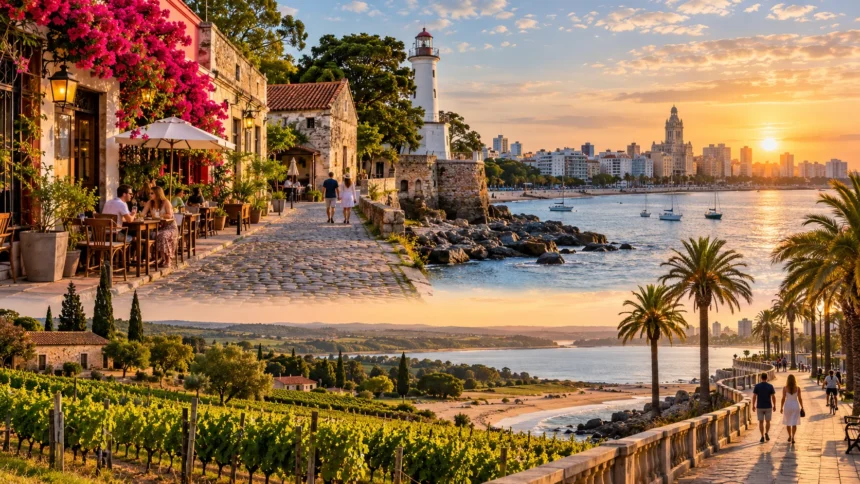
Another essential attraction is the Rambla, an extensive waterfront promenade overlooking the Río de la Plata. Visitors can walk, cycle, photograph the coastline, or relax while watching beautiful evening skies. Montevideo also provides opportunities to experience traditional Uruguayan music, tango, candombe, and local cafés that reflect the country’s rich cultural identity.

2. Visit Colonia del Sacramento for Colonial History
Colonia del Sacramento is among Uruguay’s most beautiful historic destinations, famous for its cobblestone streets, colonial architecture, and peaceful riverside atmosphere. Located along the Río de la Plata, the city’s historic quarter is recognized as a UNESCO World Heritage Site. Its Portuguese and Spanish architectural influences create a fascinating environment for travelers interested in South American history.
One of the most recognizable attractions is Calle de los Suspiros, a picturesque street surrounded by historic buildings and traditional stonework. Visitors can also explore the old city gate, museums, and Colonia’s historic lighthouse area. Walking through the neighborhood reveals colorful houses, charming cafés, and beautifully preserved architectural details that make photography particularly enjoyable.
Colonia del Sacramento is an excellent destination for a relaxing day trip or overnight stay. Travelers can reach the city by road from Montevideo or by ferry from Buenos Aires, making it convenient for regional travel. Spending an evening in the historic quarter provides an opportunity to appreciate its quieter streets and beautiful waterfront views.
3. Discover Punta del Este: Uruguay’s Famous Beach Resort
Punta del Este is one of the most popular tourist destinations in Uruguay, attracting visitors with its beautiful beaches, luxury accommodations, and lively coastal atmosphere. Located in Maldonado Department, the resort city combines natural scenery with restaurants, shopping areas, and entertainment opportunities. It is particularly attractive during the Southern Hemisphere’s summer months.
Playa Brava is famous for La Mano, the iconic sculpture of giant fingers emerging from the sand. Nearby Playa Mansa offers a different coastal atmosphere and is often preferred for its relatively sheltered waters. Visitors can explore the marina, walk along the peninsula, and enjoy waterfront restaurants overlooking the surrounding coastline.
Beyond its beaches, Punta del Este offers boat excursions, art galleries, coastal viewpoints, and recreational activities. Travelers can also visit nearby islands through authorized operators when weather and marine conditions permit. The city is suitable for couples, families, and visitors seeking a combination of beach relaxation and exciting holiday entertainment.
4. Experience Casapueblo and the Beautiful Coast of Piriápolis
Casapueblo is one of Uruguay’s most distinctive architectural attractions, located in Punta Ballena near Punta del Este. The remarkable white building was created by Uruguayan artist Carlos Páez Vilaró and overlooks the beautiful coastline. Its unusual design, artistic character, and impressive ocean views make it especially appealing to travelers interested in architecture.
Visitors can explore the museum and art spaces while appreciating the building’s sculptural design and coastal surroundings. Sunset is particularly popular because the location offers spectacular views across the water. Travelers should allow enough time to appreciate the artwork and surroundings without rushing through one of Uruguay’s most recognizable cultural landmarks.
Piriápolis, located farther west along the coast, offers another enjoyable destination known for its beaches and scenic hills. Popular attractions include the waterfront promenade, Cerro San Antonio, and nearby viewpoints overlooking the town. The combination of relaxing coastal scenery and accessible outdoor activities makes Piriápolis attractive for visitors seeking a quieter beach holiday.
5. Explore José Ignacio and La Barra for Coastal Beauty
José Ignacio is one of Uruguay’s most attractive coastal villages, famous for its peaceful beaches, charming lighthouse, and relaxed atmosphere. Once primarily associated with traditional fishing, the area has become known for beautiful holiday homes and boutique accommodations. Visitors can enjoy scenic walks, photography, and quiet coastal experiences away from larger city centers.
The José Ignacio Lighthouse is a recognizable landmark overlooking the Atlantic Ocean and surrounding beaches. Travelers can explore the village’s small streets, relax beside the water, and discover local restaurants featuring seafood and regional cuisine. The area’s understated atmosphere makes it particularly appealing to couples and travelers looking for a peaceful seaside escape.
La Barra, located closer to Punta del Este, offers a livelier coastal environment with galleries, shops, restaurants, and nearby surfing beaches. Its distinctive undulating bridge is another recognizable local attraction. Visiting both destinations allows travelers to experience different coastal lifestyles while enjoying some of the most beautiful scenery in eastern Uruguay.
6. Visit Cabo Polonio for Wild Beaches and Sand Dunes
Cabo Polonio is one of the most extraordinary natural places to visit in Uruguay, offering dramatic sand dunes, beautiful beaches, and a wonderfully remote atmosphere. Located in Rocha Department, the protected coastal area feels very different from the country’s developed beach resorts. Its rugged landscapes attract nature lovers, photographers, and travelers seeking peaceful surroundings.
One of Cabo Polonio’s best-known attractions is its lighthouse, surrounded by impressive coastal scenery and nearby sea lion habitats. Visitors can walk along sandy pathways, admire the dunes, and experience the village’s simple atmosphere. Wildlife should be observed from a respectful distance, particularly around protected areas where human activity can disturb animals.
Reaching Cabo Polonio requires special planning because private vehicles cannot drive directly into the settlement. Most visitors use authorized all-terrain transportation from the designated entrance, although walking access is also possible. Travelers should confirm transport schedules and accommodation facilities before visiting, especially when planning an overnight stay in this remote destination.
7. Discover Punta del Diablo and Santa Teresa National Park
Punta del Diablo is one of Uruguay’s most charming beach towns, recognized for its colorful houses, traditional fishing character, and beautiful Atlantic coastline. Located in Rocha Department, the village offers a relaxed atmosphere that appeals to surfers, backpackers, and nature enthusiasts. Visitors can enjoy ocean views, local restaurants, and scenic coastal walks.
Popular beaches include Playa de los Pescadores, Playa del Rivero, and Playa Grande, each offering different scenery and recreational opportunities. Surfing is popular when waves are suitable, while quieter beach activities attract travelers seeking relaxation. The village becomes livelier during summer, although its peaceful character remains appealing outside the busiest holiday periods.
Nearby Santa Teresa National Park is another excellent attraction featuring forested landscapes, walking trails, beaches, and the historic Santa Teresa Fortress. Visitors can explore the impressive stone fortification while learning about regional military history. Combining Punta del Diablo with Santa Teresa creates a rewarding experience that balances coastal relaxation, outdoor adventure, and cultural exploration.
8. Explore La Paloma, La Pedrera, and Rocha’s Natural Landscapes
La Paloma is a popular coastal destination in eastern Uruguay, offering beautiful beaches, a picturesque lighthouse, and a welcoming seaside atmosphere. The town attracts families, surfers, and travelers looking for relaxed beach experiences. Visitors can explore the waterfront, enjoy fresh seafood, and discover scenic coastal viewpoints without the intense atmosphere of larger resorts.
Nearby La Pedrera provides another attractive destination known for its beaches, coastal cliffs, and laid-back village character. The area is particularly appealing for surfing, photography, and peaceful seaside walks. During summer, cafés and restaurants contribute to its lively holiday atmosphere, while quieter seasons provide excellent opportunities to appreciate the surrounding natural scenery.
Rocha also contains important coastal lagoons, protected landscapes, and wildlife habitats that attract nature enthusiasts. Laguna de Rocha and other nearby wetlands offer opportunities for birdwatching and landscape photography in suitable areas. Travelers should follow local conservation guidelines and avoid disturbing sensitive habitats while exploring these beautiful natural environments.
9. Discover Uruguay’s Wine Country and Traditional Cuisine
Uruguay is becoming increasingly recognized for its wine production, particularly wines made from the Tannat grape. The Canelones region, located near Montevideo, contains numerous vineyards and wineries that welcome visitors through organized experiences. Wine tourism provides opportunities to discover the country’s agricultural heritage while exploring beautiful countryside landscapes and traditional wine-producing communities.
Adults interested in vineyard experiences can arrange guided winery visits, learn about grape cultivation, and discover how local wines are produced. Some wineries also offer dining experiences featuring regional ingredients and traditional Uruguayan dishes. Booking ahead is recommended because tasting availability, visitor schedules, and transportation arrangements differ between properties.
Uruguayan food is another highlight, especially traditional asado, which features meat cooked over an open fire or grill. Visitors can also try chivito sandwiches, empanadas, dulce de leche desserts, and yerba mate, a popular regional drink. Exploring local restaurants and food markets adds an authentic cultural dimension to any Uruguay vacation.
10. Enjoy Uruguay’s Countryside, Estancias, and Thermal Springs
Uruguay’s countryside offers a different travel experience from its bustling cities and popular coastal destinations. Traditional ranches, known as estancias, provide opportunities to discover rural life, open grasslands, and longstanding gaucho traditions. Some properties welcome visitors for farm experiences, countryside accommodation, horseback riding, and traditional meals in peaceful natural surroundings.
Gaucho culture is an important part of Uruguay’s history, particularly in communities associated with cattle farming and rural traditions. Travelers can learn about horse handling, agricultural activities, and traditional cooking through suitable rural tourism experiences. Choosing responsible operators and well-maintained properties helps make these activities enjoyable while respecting local communities and animal welfare.
Northern Uruguay offers another relaxing attraction through its thermal spring destinations, including the Daymán area near Salto. Visitors can enjoy warm mineral-water pools and wellness facilities that provide an alternative to beach-centered travel. These experiences are particularly appealing during cooler months, allowing travelers to combine countryside exploration with comfortable relaxation.
Best Time to Visit Uruguay and Essential Travel Tips
The best time to visit Uruguay depends on your preferred activities and destinations. December through February is the main summer season, offering warm weather and excellent opportunities for beach holidays. However, popular destinations such as Punta del Este can become crowded and expensive, particularly around Christmas, New Year, and the busiest summer vacation weeks.
Spring, from September through November, and autumn, from March through May, are excellent alternatives for travelers interested in sightseeing and countryside experiences. Temperatures are generally milder, and many attractions experience fewer visitors outside peak summer. Winter, from June through August, brings cooler conditions that are better suited to museums, cultural activities, and selected rural experiences.
Travelers can explore Uruguay using intercity buses, rental vehicles, organized excursions, and local transportation services. A seven-to-ten-day itinerary provides a useful starting point for visiting Montevideo, Colonia del Sacramento, and several coastal destinations. Before departure, check passport and visa requirements, seasonal accommodation availability, and transportation schedules to ensure a smoother travel experience.
Conclusion
Uruguay is a beautiful South American destination offering historic cities, picturesque beaches, distinctive cultural experiences, and peaceful countryside landscapes. From Montevideo’s vibrant neighborhoods to Colonia del Sacramento’s colonial streets, travelers can discover a remarkable combination of history and modern life. Its welcoming coastal towns and natural attractions provide additional opportunities for memorable exploration.
The best things to do in Uruguay include visiting Punta del Este, discovering the dramatic dunes of Cabo Polonio, exploring Santa Teresa National Park, and relaxing along the Rocha coastline. Travelers interested in cultural experiences can discover traditional food, local markets, and rural gaucho heritage. Wine regions and thermal spring destinations offer further variety beyond the country’s famous beaches.
Whether you are planning a romantic vacation, family holiday, or independent South American adventure, Uruguay provides rewarding experiences throughout the year. Choosing the right season, organizing transportation, and allowing enough time between destinations can make your trip more comfortable. With its beautiful scenery, fascinating traditions, and relaxed atmosphere, Uruguay deserves a place on your travel itinerary.
Frequently Asked Questions (FAQs)
1. Is Uruguay Worth Visiting for Tourists?
Yes, Uruguay is worth visiting for its beautiful beaches, historical landmarks, traditional culture, and peaceful countryside. Travelers can explore Montevideo, Colonia del Sacramento, Punta del Este, and several remarkable coastal nature destinations.
2. What Are the Best Places to Visit in Uruguay?
Montevideo, Colonia del Sacramento, Punta del Este, Cabo Polonio, Punta del Diablo, and José Ignacio are among Uruguay’s most attractive destinations. Each offers distinctive experiences involving history, beaches, culture, or nature.
3. What Is the Best Time of Year to Visit Uruguay?
December through February is ideal for warm beach holidays, while spring and autumn offer comfortable conditions for sightseeing. The best season depends on whether you prefer coastal relaxation or cultural exploration.
4. How Many Days Are Enough to Explore Uruguay?
Seven to ten days is a practical starting point for visiting Montevideo, Colonia del Sacramento, and selected coastal towns. Travelers planning additional countryside adventures or extended beach stays may prefer two weeks.
5. Is Uruguay Expensive for International Tourists?
Uruguay can be relatively expensive compared with some neighboring South American destinations, particularly during peak summer. Travelers can manage costs by comparing accommodation, using intercity buses, and visiting outside major holiday periods.