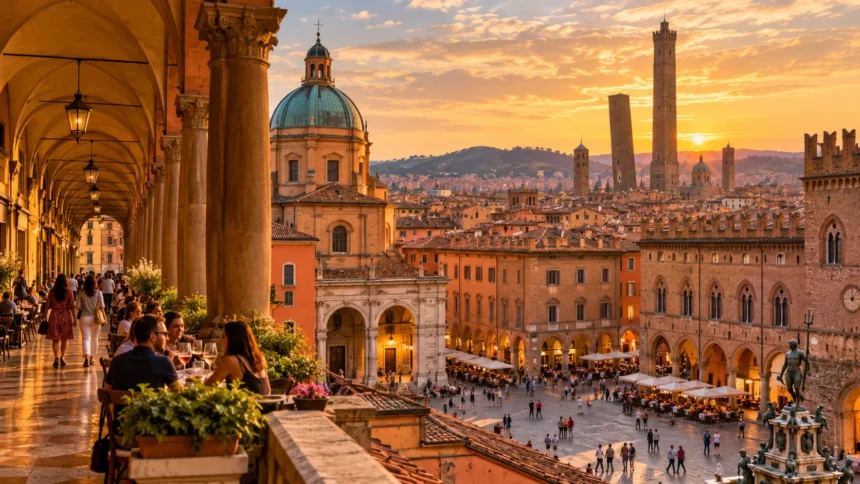
Bologna is one of Italy’s most fascinating cities, offering a wonderful combination of medieval architecture, delicious food, historic landmarks, and lively cultural experiences. Located in the Emilia-Romagna region of northern Italy, this beautiful destination is famous for its covered walkways, ancient university, and traditional Italian cuisine. Whether you enjoy discovering historic squares, exploring local markets, or tasting authentic pasta dishes, Bologna offers something memorable for every traveler.
This Bologna travel guide covers the best things to do in Bologna, must-see attractions, local food experiences, and nearby destinations worth exploring. You will also discover practical travel tips, transportation options, and itinerary ideas to help organize your visit. From Piazza Maggiore to the beautiful Sanctuary of San Luca, Bologna combines Italian history with welcoming local traditions.
Why Bologna Is One of the Best Places to Visit in Italy
Bologna is the capital of Emilia-Romagna and an excellent destination for travelers interested in experiencing authentic Italian culture. Unlike larger tourist destinations such as Rome or Venice, Bologna offers a relaxed atmosphere while maintaining an impressive collection of historical attractions. Its walkable streets, traditional restaurants, and centuries-old buildings make exploring the city enjoyable throughout the year.
The city is often associated with three traditional nicknames: La Rossa, La Dotta, and La Grassa. These names reflect Bologna’s distinctive red-colored buildings, academic heritage, and celebrated culinary traditions. Together, they describe a destination where architecture, education, and food have shaped local identity for generations, creating a fascinating environment for visitors interested in Italian history.
One of Bologna’s greatest attractions is the opportunity to experience everyday Italian life alongside famous landmarks. Visitors can explore historic markets, discover beautiful churches, admire medieval towers, and enjoy traditional meals within a compact city center. This combination of culture, history, and food makes Bologna an excellent choice for a weekend getaway or longer northern Italy vacation.
Explore Piazza Maggiore and the Fountain of Neptune
Piazza Maggiore is the historic heart of Bologna and one of the most important places to visit during your trip. Surrounded by magnificent medieval buildings, this spacious square has served as a gathering place for generations. Its impressive architecture, lively surroundings, and convenient central location make it an ideal starting point for exploring Bologna’s major attractions.
Several important landmarks surround the square, including Palazzo d’Accursio, Palazzo del Podestà, and the Basilica of San Petronio. Visitors can admire beautiful architectural details while watching residents and travelers enjoy the open public space. Nearby cafés and historic streets provide opportunities to relax between sightseeing activities without traveling far from the main attractions.
A short walk leads to the famous Fountain of Neptune, an impressive Renaissance monument located in Piazza del Nettuno. Created by sculptor Giambologna, the fountain features a striking bronze statue of Neptune surrounded by decorative figures. It remains one of Bologna’s most recognizable landmarks and a popular destination for travelers interested in photography and Renaissance art.
Visit the Basilica of San Petronio and Archiginnasio Palace
The Basilica of San Petronio is among Bologna’s most impressive religious landmarks and dominates one side of Piazza Maggiore. Its enormous Gothic structure and distinctive unfinished facade make it immediately recognizable. Visitors can admire the building’s remarkable size, historical significance, and beautiful interior, which reflects centuries of religious tradition and artistic development.
Inside the basilica, visitors can discover impressive chapels, decorative artwork, and fascinating architectural details. One particularly interesting feature is the large meridian line associated with astronomical observations and the measurement of time. Exploring the church provides a memorable opportunity to appreciate how religion, science, and artistic expression influenced Bologna’s cultural history.
Nearby Palazzo dell’Archiginnasio offers another fascinating historical experience for travelers interested in education and architecture. Once an important university building, it features elegant courtyards, decorative coats of arms, and the famous Anatomical Theatre. The beautifully designed theatre provides insights into historical medical education, making the palace one of Bologna’s most distinctive cultural attractions.
Discover Bologna’s Famous Two Towers and Medieval Streets
Bologna’s Two Towers, known as Le Due Torri, are among the most recognizable symbols of the city. The Asinelli and Garisenda towers reflect Bologna’s medieval past, when wealthy families constructed tall buildings to demonstrate influence and status. Their unusual appearance creates a striking contrast with the surrounding streets and offers a fascinating glimpse into medieval Italian architecture.
The Asinelli Tower is particularly famous for its remarkable height, while the neighboring Garisenda Tower is known for its visible lean. Access around the towers and climbing arrangements may be restricted because of preservation and maintenance work. Visitors should check current access conditions and enjoy the surrounding historic streets rather than assuming tower entry will be available.
Walking through this part of Bologna reveals narrow streets, beautiful brick buildings, traditional shops, and unexpected architectural details. Many surrounding areas retain their medieval character despite the presence of modern businesses and everyday city activity. Exploring without a strict schedule allows travelers to discover hidden courtyards, attractive storefronts, and charming corners throughout the historic center.
Walk Under Bologna’s Porticoes and Visit San Luca
Bologna is famous for its remarkable porticoes, which create covered pedestrian walkways throughout much of the city. These architectural features provide shade during warm weather and shelter during rainy days, making sightseeing particularly convenient. Their beautiful arches, decorative columns, and varying architectural styles are among the most distinctive characteristics of Bologna’s historic urban landscape.
One of the most memorable experiences is following the long porticoed route toward the Sanctuary of the Madonna di San Luca. This historic religious landmark stands on a hill overlooking Bologna and is connected to the city by an extraordinary covered walkway. The route offers an interesting combination of architectural heritage, peaceful surroundings, and scenic views.
Visitors who enjoy walking can explore sections of the historic porticoed route, although the uphill journey requires a reasonable level of fitness. Transportation options may provide a more comfortable alternative for those who prefer less walking. Once near the sanctuary, travelers can admire its architecture and enjoy beautiful views of Bologna and the surrounding countryside.
Experience the Beauty of Piazza Santo Stefano
Piazza Santo Stefano is one of Bologna’s most atmospheric historic squares, offering a peaceful setting surrounded by beautiful buildings. Its unusual triangular shape and traditional architecture create an inviting environment for sightseeing and photography. The square provides a quieter experience than some of the city’s busiest attractions while remaining conveniently located within the historic center.
The most important attraction here is the Santo Stefano complex, often referred to as the Seven Churches. This remarkable collection of interconnected religious structures reflects different architectural periods and centuries of historical development. Visitors can explore distinctive courtyards, ancient stonework, and fascinating religious spaces that reveal the complexity of Bologna’s Christian heritage.
The surrounding neighborhood also features attractive pedestrian streets, traditional shops, and welcoming places to enjoy a relaxing break. Walking through this area provides opportunities to appreciate Bologna’s beautiful architecture without rushing between major landmarks. Evening visits can be particularly enjoyable when the square becomes a gathering place for residents and visitors.
Discover the Quadrilatero Market and Mercato delle Erbe
The Quadrilatero is one of Bologna’s most famous historic market districts and an essential destination for food enthusiasts. Located near Piazza Maggiore, this lively neighborhood features narrow streets filled with traditional food shops, restaurants, and specialty stores. Its historic market atmosphere makes it an excellent place to discover the ingredients and culinary traditions associated with Emilia-Romagna.
Visitors can explore shops selling fresh pasta, regional cheeses, cured meats, vegetables, and other local specialties. The colorful displays and traditional storefronts create an enjoyable environment for browsing and discovering regional products. Walking through the Quadrilatero also provides opportunities to appreciate Bologna’s longstanding connection with food production, craftsmanship, and everyday Italian dining culture.
Another interesting destination is Mercato delle Erbe, a covered market offering fresh ingredients and casual dining opportunities. Visitors can browse food stalls, observe local shopping traditions, and enjoy a relaxed meal during their sightseeing day. Exploring both markets provides a delicious introduction to Bologna’s food culture while supporting an enjoyable experience beyond its famous monuments.
Taste Bologna’s Famous Traditional Italian Food
Bologna is widely recognized as one of Italy’s leading culinary destinations, making traditional food experiences an important part of any visit. The city is famous for fresh pasta, rich regional recipes, and carefully prepared dishes that reflect generations of Italian cooking traditions. Exploring local restaurants and markets allows travelers to discover flavors closely connected to the Emilia-Romagna region.
One of Bologna’s signature dishes is tagliatelle al ragù, featuring fresh ribbon-shaped pasta served with a slow-cooked meat sauce. Other traditional specialties include tortellini in broth, lasagne verdi, and mortadella, the famous regional cured meat. These foods highlight the importance of fresh ingredients, regional traditions, and thoughtful preparation in authentic Bolognese cuisine.
Travelers interested in learning more about local food can consider joining a traditional Italian cooking class. These experiences often introduce participants to handmade pasta techniques and familiar regional recipes under the guidance of local instructors. Alternatively, exploring small restaurants, bakeries, and gelato shops provides a delicious way to experience Bologna’s culinary heritage throughout the day.
Explore the University District and Bologna’s Museums
Bologna is home to one of Europe’s oldest universities, giving the city a long and influential academic history. The university district features historic buildings, lively streets, bookstores, and cultural institutions that reflect its educational traditions. Exploring this neighborhood reveals another side of Bologna, where centuries-old academic heritage combines with the energy of contemporary student life.
One notable attraction is the Pinacoteca Nazionale di Bologna, an art museum containing important works from different periods of Italian painting. Visitors can explore religious artwork, Renaissance masterpieces, and collections associated with Bologna’s artistic history. The museum offers an enjoyable experience for travelers interested in discovering Italian art beyond the country’s most internationally famous galleries.
Bologna also features museums dedicated to archaeology, music, modern art, and local history. Depending on personal interests, visitors can explore the Museo Civico Archeologico or discover contemporary exhibitions at MAMbo. Including one or two museums in your itinerary provides greater variety while offering useful indoor activities during rainy or particularly warm weather.
Discover Bologna’s Hidden Canals and Beautiful Parks
Although Bologna is not widely associated with canals, the city has a fascinating history of waterways that once supported local industry and transportation. Some sections remain visible today, offering surprising glimpses of its past. One of the most famous places to see these waterways is the small canal window along Via Piella.
The Finestrella di Via Piella provides a picturesque view of a narrow canal flowing between traditional buildings. Visitors often enjoy discovering this unexpected scene because it feels different from Bologna’s familiar squares and medieval towers. The surrounding streets are also worth exploring, with small shops and interesting architectural details adding to the neighborhood’s charm.
For a relaxing outdoor experience, visit Giardini Margherita, one of Bologna’s best-known public parks. Its landscaped paths, open green spaces, and peaceful surroundings provide a pleasant break from historic sightseeing. The park is particularly enjoyable for leisurely walks, picnics, and spending time outdoors after exploring the city’s busy central attractions.
Take Memorable Day Trips From Bologna
Bologna’s convenient location and excellent railway connections make it an attractive base for exploring other destinations throughout northern Italy. Several fascinating cities are accessible by train, allowing visitors to experience different aspects of regional history and culture. Planning one or two day trips can add variety to your Bologna itinerary without requiring frequent accommodation changes.
Modena is a popular nearby destination known for its historic center, beautiful cathedral, and traditional balsamic vinegar production. Parma offers another enjoyable experience, particularly for travelers interested in Italian architecture and regional food specialties. Both cities provide opportunities to discover local traditions while exploring attractive streets, markets, and historic landmarks.
Ravenna is especially famous for its extraordinary Byzantine mosaics and important early Christian monuments, making it a rewarding destination for history enthusiasts. Ferrara offers another fascinating excursion with its Renaissance architecture, historic streets, and impressive castle. Choosing destinations based on your interests and available travel time helps create a balanced northern Italy experience.
Best Time to Visit Bologna and Essential Travel Tips
The best time to visit Bologna is generally during spring or early autumn, when temperatures are often comfortable for walking and sightseeing. April, May, September, and October are appealing months for exploring historic streets and enjoying outdoor dining. Summer can bring hot weather, while winter offers a quieter atmosphere with cooler temperatures and occasional rain.
Bologna is conveniently connected to other Italian destinations through its major railway station, Bologna Centrale. The city’s airport also provides connections for international and domestic travelers, with transportation options available for reaching the center. Many attractions are close enough to explore on foot, although public buses can be useful for longer journeys.
A two-day Bologna itinerary allows time for Piazza Maggiore, San Petronio, the Quadrilatero, Santo Stefano, and other central attractions. Travelers spending three days can also explore museums, visit San Luca, and enjoy a more relaxed food experience. For accommodation, staying near the historic center provides convenient access to major landmarks, restaurants, and transportation connections.
Conclusion
Bologna offers an unforgettable combination of medieval architecture, historic landmarks, delicious cuisine, and welcoming Italian traditions. From exploring Piazza Maggiore to wandering beneath beautiful porticoes, visitors can discover attractions that reveal the city’s distinctive cultural identity. Its historic churches, lively markets, and fascinating museums make Bologna an excellent destination for travelers interested in experiencing northern Italy.
One of the greatest advantages of visiting Bologna is the opportunity to enjoy several different experiences within a compact and walkable city. Travelers can discover traditional restaurants, admire historic towers, explore artistic collections, and relax in charming public squares. Nearby cities such as Modena, Parma, and Ravenna provide additional opportunities to explore the wider Emilia-Romagna region.
Whether you are planning a weekend getaway or including Bologna in a longer Italian vacation, the city deserves a place on your travel itinerary. Taking time to appreciate its local traditions, historic architecture, and famous food culture creates a more memorable experience. With its fascinating heritage and welcoming atmosphere, Bologna offers plenty of reasons to visit.
Frequently Asked Questions About Visiting Bologna
Is Bologna, Italy, Worth Visiting?
Yes, Bologna is worth visiting for its medieval architecture, famous Italian cuisine, historic university, and beautiful covered walkways. It offers an authentic cultural experience alongside fascinating attractions and convenient connections to nearby cities.
How Many Days Do You Need in Bologna?
Two to three days are generally enough to explore Bologna’s main attractions, traditional markets, and historic neighborhoods. An additional day provides opportunities for museum visits, cooking experiences, or nearby excursions.
What Is Bologna Best Known For?
Bologna is best known for its historic university, beautiful porticoes, medieval towers, and traditional Italian cuisine. Popular local specialties include tagliatelle al ragù, tortellini, mortadella, and other regional dishes.
What Is the Best Month to Visit Bologna?
May and September are excellent months to consider because temperatures are often comfortable for sightseeing and outdoor activities. Spring and early autumn generally provide enjoyable conditions for walking through Bologna’s historic streets.
Can You Explore Bologna Without a Car?
Yes, Bologna is easy to explore without a car because many major attractions are located within its walkable historic center. Public buses and railway services also provide convenient transportation throughout the city and surrounding region.