Why Thessaloniki Is Worth Visiting
Thessaloniki is one of Greece’s most fascinating city destinations, combining ancient history, Byzantine heritage, lively neighborhoods, waterfront scenery, and an excellent food culture. The city feels energetic without being overwhelming, making it easy to explore on foot. Travelers can move from archaeological monuments and traditional markets to stylish cafés, sea views, and buzzing nightlife within the same day.
As Greece’s second-largest city, Thessaloniki offers a different experience from the islands and resort areas many visitors associate with the country. Its attractions reflect Roman, Byzantine, Ottoman, Jewish, and modern Greek influences. These layers of history create a city where ancient ruins appear beside apartment buildings, restaurants, shops, churches, and busy public squares.
Thessaloniki also works well for travelers who prefer a slower urban experience. Many of the best moments come from walking along the waterfront, stopping for coffee, tasting local dishes, and exploring neighborhoods without a strict schedule. Whether you enjoy history, architecture, food, nightlife, or seaside views, Thessaloniki provides enough variety for a memorable city break.
See the Famous White Tower
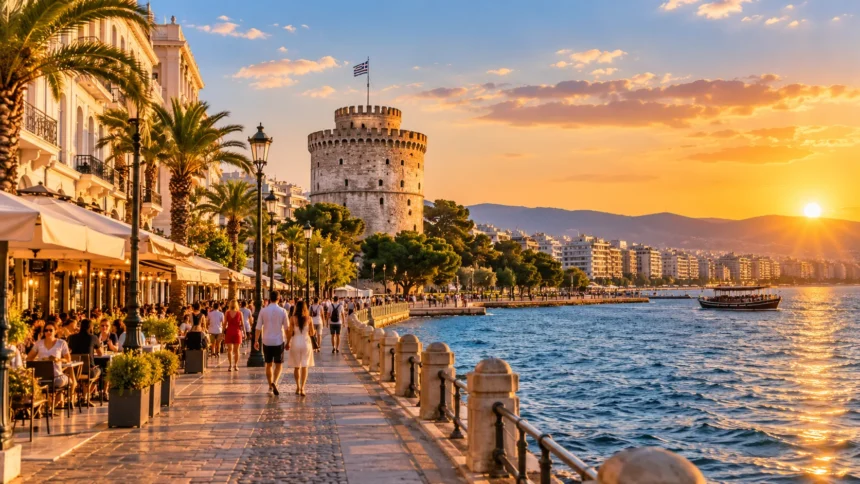
The White Tower is one of Thessaloniki’s most recognizable landmarks and an excellent place to begin exploring the city. Standing beside the waterfront, the historic structure has become closely associated with Thessaloniki’s identity. Its position also makes it easy to combine with a walk along the promenade and several attractions around the central area.
Visitors can explore the interior and learn more about the city’s history while gradually moving upward through the structure. The experience is especially worthwhile because the upper levels provide broad views across Thessaloniki and the Thermaic Gulf. On a clear day, the elevated perspective helps you understand how the historic center, modern neighborhoods, and waterfront fit together.

After visiting the tower, spend some time walking around the surrounding public spaces. Street performers, cyclists, locals, and travelers create a lively atmosphere throughout much of the day. Visiting around late afternoon can be particularly enjoyable because you can continue directly into a waterfront walk as the light begins changing toward sunset.
Walk Along the Thessaloniki Waterfront
The waterfront promenade is one of the best places to experience Thessaloniki at a relaxed pace. The long pedestrian area follows the sea and provides space for walking, cycling, jogging, and simply sitting near the water. It is popular with locals as well as visitors, making it feel like an important part of everyday city life rather than only a tourist attraction.
Along the route, you will encounter public art, landscaped spaces, cafés, benches, and wide views across the gulf. The Umbrellas sculpture is one of the most photographed modern landmarks along the waterfront. Continuing beyond the busiest central sections can lead to quieter areas where the city feels calmer and the sea becomes the main focus.
Sunset is an especially rewarding time to visit the promenade. The evening light can create beautiful colors over the water while the surrounding streets become busier with people heading out for dinner and drinks. A slow waterfront walk before an evening meal is one of the simplest and most enjoyable things to do in Thessaloniki.
Explore Aristotelous Square and the City Center
Aristotelous Square is the heart of central Thessaloniki and a natural meeting point for sightseeing. The large open square stretches toward the waterfront and is surrounded by impressive buildings, restaurants, cafés, and busy streets. Its location makes it a convenient starting point for exploring shopping areas, markets, historic landmarks, and nearby neighborhoods on foot.
The streets surrounding the square are excellent for casual exploration. You can browse shops, stop at bakeries, enjoy Greek coffee, or simply observe the pace of city life. Unlike attractions where visitors arrive for a specific monument, this central area is best enjoyed by allowing time to wander and discover interesting streets without following a rigid route.
Evenings bring another atmosphere as restaurants and cafés become busier. The square is well connected with many central dining and entertainment areas, so it is easy to continue sightseeing into dinner without traveling far. Staying near this part of Thessaloniki can also be convenient for first-time visitors who want easy access to many major attractions.
Discover the Ancient Roman Heritage
Thessaloniki contains impressive reminders of the Roman era scattered throughout the modern city. The Arch of Galerius is one of the most visible examples and can be easily visited while walking through the center. Detailed carved scenes remain visible on the structure, providing a fascinating connection to the city’s importance during ancient Roman times.
Nearby, the Rotunda is another remarkable monument with a long and complicated history. The massive circular building has served different religious and civic roles over the centuries, reflecting the changing cultural character of Thessaloniki. Its architecture and interior make it one of the most distinctive historic structures in the city and a rewarding stop for architecture enthusiasts.
The Roman Forum adds another layer to Thessaloniki’s ancient landscape. Exploring these sites together shows how closely modern streets and buildings overlap with archaeological remains. Rather than visiting them as isolated attractions, consider walking between the major Roman landmarks so the journey itself reveals how ancient history remains integrated into everyday city life.
Visit Thessaloniki’s Byzantine Churches
Thessaloniki is known for its rich Byzantine heritage, and historic churches are among the city’s most important cultural attractions. Several religious buildings contain remarkable architecture, mosaics, frescoes, and decorative details. Even travelers who are not particularly religious can appreciate these places for their history, craftsmanship, and role in shaping the city’s identity.
The Church of Saint Demetrius is especially significant and is connected with the city’s patron saint. Its large interior, religious atmosphere, and historical importance make it a major stop on many Thessaloniki itineraries. Other churches throughout the center provide opportunities to explore different periods of Byzantine design while walking through neighborhoods that remain active parts of the modern city.
Remember that these buildings are places of worship rather than simply sightseeing attractions. Dress respectfully, speak quietly, and avoid interrupting religious services or private prayer. Taking time to appreciate the details rather than rushing through several churches can make the experience much more meaningful and give you a stronger understanding of Thessaloniki’s cultural heritage.
Wander Through Ano Poli
Ano Poli, or the Upper Town, offers a completely different atmosphere from Thessaloniki’s busy waterfront and commercial center. This historic district sits on higher ground and contains traditional houses, narrow streets, old walls, small cafés, and impressive viewpoints. Walking through the neighborhood reveals a quieter and more residential side of the city.
The uphill streets can be steep, so comfortable footwear is important. However, the climb is rewarded with broad views across Thessaloniki and the gulf. Parts of the old city walls remain visible, adding another historic element while providing some of the best locations for photography, especially in the late afternoon or around sunset.
Ano Poli is most enjoyable when explored slowly. Instead of rushing directly between viewpoints, wander through side streets and notice traditional architecture, local restaurants, small churches, and neighborhood life. You can walk uphill from central areas if you enjoy exercise or use transportation for part of the journey and explore more comfortably once you arrive.
Experience Modiano and Kapani Markets
Markets are an excellent way to experience the everyday flavors and energy of Thessaloniki. The central market areas contain food vendors, small shops, traditional products, spices, meats, cheeses, olives, sweets, and other local ingredients. Walking through these spaces gives travelers a closer look at the food culture that plays such an important role in the city.
Modiano Market offers a more organized indoor market experience, while the surrounding Kapani area provides a lively network of stalls and traditional shops. Together, they create one of the most interesting places for food-focused sightseeing. Even if you are not planning to buy groceries, the colors, smells, sounds, and constant activity make the area enjoyable to explore.
Visit with enough time to stop for a snack or casual meal nearby. Small eateries around the markets often provide an opportunity to try traditional dishes without the formality of a full restaurant experience. Earlier hours can be particularly interesting because you can observe more of the daily shopping and commercial activity taking place.
Taste Thessaloniki’s Famous Food
Thessaloniki has a strong reputation as one of Greece’s best food cities. Its culinary traditions reflect Greek, Balkan, Ottoman, Jewish, and Mediterranean influences, resulting in a wide variety of dishes and flavors. Travelers can enjoy everything from quick pastries and street food to seafood, grilled meats, traditional meze, and contemporary restaurant menus.
Bougatza is one local favorite worth trying, particularly at breakfast. This pastry can be filled with sweet custard, cheese, or other ingredients depending on the bakery. Koulouri, a sesame-covered bread ring, is another simple snack commonly enjoyed throughout the day and is easy to find while walking around the central streets.
For lunch or dinner, consider ordering several small dishes so you can taste more variety. Seafood, grilled meats, salads, cheeses, spreads, and vegetable dishes can easily be shared around the table. Eating slowly and trying different neighborhood restaurants is often more rewarding than focusing only on famous establishments or heavily promoted tourist locations.
Enjoy Thessaloniki’s Café Culture and Nightlife
Thessaloniki is known for its lively café culture, and sitting with coffee is an important part of the city’s social rhythm. Cafés range from casual neighborhood spots to stylish modern spaces with waterfront views. Taking a break between attractions gives you a chance to experience the city at a slower pace while watching people move through busy streets.
The city also has a strong evening and nightlife scene. Ladadika is one of the best-known districts for restaurants, bars, and entertainment, with colorful buildings and lively streets creating an energetic atmosphere after dark. Other neighborhoods offer everything from relaxed wine bars to music venues and late-night clubs, making it easy to find an atmosphere that fits your style.
You do not need to stay out until early morning to enjoy Thessaloniki after dark. An evening meal followed by a waterfront walk or a drink in a neighborhood bar can be just as memorable. The city remains active late into the evening, so travelers can enjoy sightseeing during the day without feeling pressured to rush dinner.
Visit Thessaloniki’s Museums
Thessaloniki has several excellent museums for travelers who want deeper context about the city and northern Greece. The Archaeological Museum is particularly valuable for understanding ancient Macedonia and the wider region. Its collections include objects that help connect the archaeological sites and monuments you may encounter during sightseeing with the people and societies that created them.
The Museum of Byzantine Culture provides another important perspective. Its exhibitions explore art, religion, everyday life, and historical developments from the Byzantine period. Visiting can make Thessaloniki’s many churches and religious monuments easier to appreciate because you gain additional background about the traditions and artistic styles represented throughout the city.
You do not need to visit every museum during a short trip. Choose one or two based on your interests and balance them with outdoor attractions. Museums are also excellent options during very hot afternoons, rainy periods, or moments when you need a quieter break from walking through the busy streets.
Take a Day Trip Beyond Thessaloniki
Thessaloniki is a useful base for exploring several destinations in northern Greece. Travelers interested in ancient history can consider excursions connected with the heritage of ancient Macedonia. Archaeological sites and museums beyond the city can add greater context to the region’s historical importance and provide a different experience from urban sightseeing.
Nature lovers can also use Thessaloniki as a starting point for mountains, beaches, and countryside destinations. Depending on your schedule, a day trip can offer a refreshing contrast after several days of museums, markets, and historic neighborhoods. Renting a car provides flexibility, although organized tours can be convenient for travelers who prefer not to navigate unfamiliar roads.
Avoid adding too many day trips to a short visit. Thessaloniki itself deserves enough time to experience properly, especially if you enjoy food, neighborhoods, and evening culture. A good itinerary might include several full days in the city and one carefully chosen excursion that matches your strongest interest in history, beaches, or nature.
Know the Best Time to Visit Thessaloniki
Spring is an excellent period for visiting Thessaloniki because temperatures are generally comfortable for walking and outdoor sightseeing. Parks and surrounding landscapes become greener, while the city feels lively without the intense heat associated with parts of summer. This season works especially well for visitors planning to combine Thessaloniki with archaeological sites or countryside excursions.
Summer offers long days and energetic evenings, but daytime temperatures can become hot. Plan major walking activities for mornings and later afternoons, leaving museums, meals, or café breaks for the warmest part of the day. Summer is also convenient if your wider Greece itinerary includes beaches or coastal destinations after exploring the city.
Autumn provides another pleasant balance of comfortable weather and active city life. Winter can be cooler and wetter, but it may suit travelers more interested in food, museums, and local culture than outdoor sightseeing. Thessaloniki remains a year-round city, so the ideal season depends largely on the experiences you want to prioritize.
Plan the Perfect Thessaloniki Itinerary
Three days can provide a strong introduction to Thessaloniki if your schedule is limited. Spend the first day around the White Tower, waterfront, Aristotelous Square, and central neighborhoods. On the second day, explore Roman and Byzantine landmarks, then dedicate part of the third day to Ano Poli, markets, museums, or another area that matches your interests.
With four or five days, the trip becomes more relaxed. You can spend longer in markets and museums, enjoy several neighborhoods after dark, and include a day trip without sacrificing time in the city. Additional time also allows you to enjoy Thessaloniki’s food and café culture naturally rather than fitting every meal between scheduled attractions.
Try not to create an itinerary filled with back-to-back landmarks from morning until night. Thessaloniki rewards slower travel because many of its best experiences involve wandering, eating, people-watching, and discovering unexpected streets. Mix structured sightseeing with flexible time so the trip feels like a genuine city experience rather than a checklist of monuments.
Conclusion
Thessaloniki is a rewarding Greek destination for travelers interested in history, food, architecture, nightlife, and waterfront scenery. The White Tower, Roman monuments, Byzantine churches, Ano Poli, traditional markets, and lively public squares provide enough attractions to keep visitors exploring for several days.
The city becomes even more enjoyable when you make room for everyday experiences. Try local pastries, spend time in cafés, walk beside the sea at sunset, and enjoy dinner in neighborhoods where streets remain lively late into the evening. These slower moments often create stronger travel memories than moving quickly between famous landmarks.
A three-to-five-day stay gives most first-time visitors enough time to experience Thessaloniki without feeling rushed. Wear comfortable shoes, explore beyond the main waterfront, and balance major sights with spontaneous discoveries. With its rich history and relaxed Mediterranean character, Thessaloniki can become one of the most memorable stops on a Greece itinerary.
FAQs
How many days do you need in Thessaloniki?
Three days is enough for the main landmarks, markets, neighborhoods, and waterfront. Four or five days allows a more relaxed pace and gives you time to include museums or a day trip.
What are the best things to do in Thessaloniki?
Top experiences include visiting the White Tower, walking the waterfront, exploring Ano Poli, seeing Roman and Byzantine monuments, visiting local markets, and enjoying the city’s famous food and café culture.
Is Thessaloniki a walkable city?
Yes, many central attractions can be reached comfortably on foot. Some areas such as Ano Poli involve steep uphill streets, so comfortable shoes and occasional public transportation can make exploring easier.
What food should you try in Thessaloniki?
Try bougatsa, koulouri, traditional meze, seafood, grilled meats, local cheeses, pastries, and regional sweets. Exploring markets, bakeries, casual eateries, and traditional tavernas provides plenty of opportunities to sample local flavors.
What is the best area to stay in Thessaloniki?
The city center near Aristotelous Square is convenient for first-time visitors because major attractions, restaurants, markets, shopping streets, and the waterfront are within easy reach.