Tehran, the capital of Iran, is a fascinating city where historic palaces, modern architecture, traditional markets, and mountain scenery come together. Located near the impressive Alborz Mountains, this lively metropolis reflects centuries of Persian history alongside contemporary urban life. From exploring royal residences to discovering bustling bazaars, there are many memorable things to do in Tehran for visitors interested in culture, history, and local traditions.
A well-planned Tehran travel guide can help you discover the city’s famous landmarks, peaceful green spaces, interesting museums, and distinctive neighborhoods. However, current security conditions require serious consideration before planning a visit. Several governments advise against travel to Iran, so check official travel warnings, entry requirements, and local conditions before making any arrangements.
Explore Golestan Palace and Its Beautiful Persian Architecture
Golestan Palace is one of Tehran’s most remarkable historical attractions and an important example of Persian royal architecture. This UNESCO World Heritage Site was closely associated with the Qajar dynasty and reflects a fascinating blend of traditional Iranian craftsmanship and European influences. Its decorated halls, elegant courtyards, and colorful tilework reveal the artistic achievements of an important period in Iranian history.
The palace complex contains several buildings featuring detailed mirror decorations, painted ceilings, and ornamental architectural elements. Visitors are often especially interested in the Mirror Hall, where reflective surfaces and decorative craftsmanship contribute to its famous appearance. The surrounding gardens and courtyards add another dimension to the experience, highlighting the relationship between landscape design and historic Persian architecture.
Exploring Golestan Palace can help travelers understand how Tehran developed into an important political and cultural center. Different buildings contain historical objects, furniture, and decorative collections associated with Iran’s royal past. Because access to individual halls may vary, anyone planning a future visit should confirm the latest opening arrangements, ticket requirements, and any temporary restrictions.
Visit Azadi Tower, Tehran’s Iconic Landmark
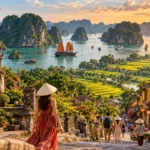
Azadi Tower is among the most recognizable attractions in Tehran and an important symbol of the Iranian capital. Standing in Azadi Square, this striking monument combines elements of traditional Persian architecture with modern design. Its distinctive white structure, sweeping arches, and carefully planned geometric details make it a notable architectural landmark and a popular subject for photography.
The monument was completed in 1971 and has witnessed important moments in the country’s modern history. Its design incorporates architectural influences associated with different periods of Iranian civilization, giving the structure cultural significance beyond its appearance. The surrounding square also helps illustrate the scale and movement of Tehran, where major roads connect different parts of the city.
Azadi Tower looks especially impressive when viewed from a distance, allowing its symmetrical design to stand out against the urban surroundings. Photography enthusiasts may appreciate its changing appearance throughout the day as natural light moves across the structure. Interior access, exhibitions, and observation opportunities can change, making it important to verify current visitor information before planning a tour.
Discover Tehran’s Grand Bazaar and Traditional Markets
Tehran’s Grand Bazaar is one of the city’s most important commercial and cultural destinations, representing generations of traditional trading activity. Its interconnected corridors, specialized shopping sections, and historic architecture reflect the importance of commerce in Iranian society. Exploring the bazaar introduces visitors to a fascinating environment where everyday business continues alongside architectural and cultural heritage.
Different sections are associated with products such as Persian carpets, textiles, spices, jewelry, and household goods. The covered passageways contain numerous shops, while traditional architectural features reveal how commercial spaces developed over time. Visitors interested in Iranian handicrafts can learn about decorative patterns, textile traditions, and the craftsmanship involved in producing many familiar market products.
The Grand Bazaar is also an interesting place to observe Tehran’s traditional commercial culture and daily routines. Its crowded corridors and busy atmosphere can feel very different from the city’s modern shopping centers. Shops may close on Fridays, public holidays, or during disruptions, so checking operating conditions before visiting is particularly important.
Enjoy Panoramic City Views From Milad Tower
Milad Tower is one of Tehran’s most prominent modern landmarks, rising high above the surrounding urban landscape. This telecommunications tower represents a different architectural period from the city’s historic palaces and traditional monuments. Its distinctive silhouette can be recognized from many neighborhoods, making it an important feature of Tehran’s contemporary skyline.
The tower is known for its elevated observation facilities, which have attracted visitors interested in panoramic views of the capital. On clear days, Tehran’s extensive neighborhoods and the dramatic Alborz Mountains form an impressive visual combination. The contrast between densely developed urban areas and rugged mountain slopes helps explain the city’s unusual geographic setting.
Milad Tower also forms part of a larger complex associated with cultural activities and visitor facilities. Its surrounding spaces demonstrate Tehran’s interest in developing contemporary architectural landmarks alongside older historical destinations. Observation access, facility availability, and operating arrangements may change, so current information should always be confirmed before including the tower in a sightseeing itinerary.
Walk Across Tabiat Bridge and Explore Nearby Parks
Tabiat Bridge is one of Tehran’s best-known examples of modern public architecture and an attractive landmark for people interested in urban design. The pedestrian bridge connects Taleghani Park with Abo-Atash Park, allowing visitors to experience two green spaces within the city. Its curved structure and multiple levels make it visually distinctive compared with conventional pedestrian crossings.
The bridge was designed to function as more than a simple route between two locations. Its wide walking areas and viewing spaces encourage people to appreciate the surrounding landscape and observe the city from different angles. Views toward the Alborz Mountains can be particularly impressive when the weather is clear and visibility across Tehran is good.
The adjoining parks contain walking routes and green areas that contribute to the city’s outdoor recreational culture. These spaces illustrate how public parks can bring natural elements into a busy urban environment. For travelers interested in photography, architecture, or everyday city life, the Tabiat Bridge area offers a different perspective from Tehran’s traditional monuments and royal complexes.
Explore Saadabad Palace Complex and Its Royal History
Saadabad Palace Complex is an important historical destination situated in the northern part of Tehran near the foothills of the Alborz Mountains. The extensive grounds contain former royal buildings associated with Iran’s modern history, particularly the Pahlavi dynasty. Its landscaped surroundings and distinctive architecture make the complex an interesting place to study the country’s changing political and cultural traditions.
Different buildings within the complex have been used as museums featuring historical collections, decorative objects, and exhibits associated with royal life. The White Palace and Green Palace are particularly well-known parts of the site. Their architectural features reveal contrasting approaches to design, while the surrounding gardens contribute to the elegant atmosphere of the former royal estate.
Saadabad also demonstrates how Tehran’s northern districts historically developed as attractive locations for residences and gardens. The mountainous setting gives the complex a different character from historical attractions in the city center. Museum schedules, available exhibitions, and entry requirements can vary, making advance confirmation important for anyone planning to explore its individual buildings.
Discover Niavaran Palace and Tehran’s Royal Heritage
Niavaran Palace Complex is another important historical attraction that reflects the lifestyle and cultural interests of Iran’s former royal family. Located in northern Tehran, the complex includes royal residences, landscaped gardens, and buildings associated with the country’s twentieth-century history. Its architecture combines modern design features with elements influenced by traditional Persian artistic styles.
The main palace is particularly interesting because of its interiors, decorative furnishings, and historical collections. Visitors studying Iranian architecture may notice how its design differs from the older buildings of Golestan Palace. This contrast makes Niavaran a useful destination for understanding architectural changes between different periods of Iranian royal history and residential design.
The gardens surrounding the palace buildings also contribute to the site’s peaceful character and historical atmosphere. Trees, pathways, and landscaped spaces demonstrate the importance of outdoor areas within traditional and modern Iranian residential complexes. Exploring Niavaran alongside other royal sites can reveal how architecture, artistic preferences, and everyday lifestyles changed across generations.
Experience Darband Village and the Alborz Mountain Scenery
Darband is a well-known recreational area in northern Tehran, located near the slopes of the Alborz Mountains. Its mountain setting, traditional restaurants, and scenic surroundings distinguish it from the city’s crowded commercial neighborhoods. The area has long been associated with outdoor leisure, making it an interesting destination for people curious about Tehran’s relationship with its nearby mountains.
Darband is particularly recognizable for its hillside paths, flowing streams, and eating establishments positioned among rocky surroundings. Traditional restaurants and tea-serving spaces contribute to the atmosphere, reflecting the importance of shared meals and outdoor gatherings in local culture. The changing mountain scenery also makes the area attractive to photographers interested in natural landscapes.
Some paths extend into more demanding mountainous terrain, where weather and walking conditions can change quickly. Travelers should distinguish accessible village areas from strenuous hiking routes and avoid unfamiliar mountain trails without suitable experience. Before planning any outdoor activity, checking local access restrictions, weather forecasts, and current safety conditions is especially important.
Learn About Persian History at the National Museum of Iran
The National Museum of Iran is among Tehran’s most important cultural institutions, preserving objects associated with the country’s long and diverse history. Its collections help explain the development of communities, artistic traditions, and civilizations across the Iranian plateau. For anyone interested in archaeology, the museum introduces historical periods that extend far beyond Tehran’s modern identity.
Exhibits include archaeological discoveries, pottery, sculptures, and objects associated with different stages of Iranian civilization. Collections from ancient periods help visitors understand the cultural importance of settlements, trade, artistic development, and changing societies. The museum is particularly valuable for connecting historical landmarks elsewhere in Iran with a broader understanding of the country’s past.
The museum’s displays also demonstrate why Persian history has attracted sustained interest from researchers and travelers. Different objects reveal how artistic techniques, decorative patterns, and cultural traditions developed across centuries. Visiting such a museum can deepen appreciation for Iran’s historic architecture, although exhibition availability and public access should be checked before planning any visit.
Discover Contemporary Art and Tehran’s Cultural Scene
Tehran’s cultural identity extends beyond historic palaces and ancient artifacts into modern painting, sculpture, photography, and artistic expression. The Tehran Museum of Contemporary Art is a significant institution associated with modern Iranian and international artistic movements. Its architecture and collections illustrate how the capital became an important center for cultural exchange during the twentieth century.
The museum has been associated with works by prominent international artists alongside collections highlighting Iranian artistic development. Exhibitions may examine different approaches to creativity, cultural identity, and changing artistic styles. For visitors interested in art history, this provides an opportunity to consider how traditional influences interact with contemporary visual expression in Iran.
Beyond established institutions, Tehran has a wider cultural environment that includes galleries, bookstores, artistic workshops, and creative spaces. The nature and availability of cultural activities can change because of regulations or local circumstances. Researching active exhibitions and approved visitor arrangements is essential before including specific cultural institutions in a future travel schedule.
Discover Persian Cuisine and Tehran’s Traditional Food Culture
Persian cuisine is an important part of Tehran’s cultural identity, with traditional dishes reflecting regional ingredients and generations of cooking knowledge. Popular foods include chelo kebab, ghormeh sabzi, fesenjan, and different varieties of rice-based meals. These dishes demonstrate the careful balance of herbs, spices, vegetables, and cooking methods found throughout Iranian culinary traditions.
Traditional Iranian meals often feature fragrant rice, grilled meats, vegetable stews, and accompaniments such as yogurt or fresh herbs. Saffron is especially important in many dishes, contributing distinctive flavor and color. Tehran’s food culture also reflects influences from different regions of Iran, making the city an interesting place to learn about the country’s culinary diversity.
Traditional sweets and desserts are another appealing part of Persian food culture, including saffron-flavored treats and various pastries. Local bakeries and food markets illustrate the importance of freshly prepared ingredients in everyday life. Understanding these traditions adds cultural depth to a Tehran travel guide, even for readers exploring the city’s cuisine through research rather than immediate travel.
Plan Your Tehran Visit: Weather, Transport, and Safety
Tehran experiences distinct seasons, with hot summers, cooler winters, and generally milder conditions during spring and autumn. The nearby mountains influence local scenery and seasonal weather patterns, particularly in the northern districts. Spring and autumn have traditionally appealed to sightseeing travelers, although weather alone should never determine whether international travel is appropriate.
The city has an extensive public transportation system that includes metro services, buses, and taxis. Understanding its large geographic area is important because major attractions are spread across different districts. Traffic congestion can affect journey times, and transport availability may change during public holidays, emergencies, or other disruptions.
Travel safety is currently the most important consideration when planning a trip to Tehran. The United States and United Kingdom advise against travel to Iran, citing serious security risks, and international conditions can change rapidly. Anyone considering future travel should consult their government’s official guidance, confirm visa and insurance requirements, and avoid making plans based solely on older tourism information.
Conclusion
Tehran is a city with a remarkable combination of historical architecture, cultural institutions, modern landmarks, and impressive mountain scenery. Attractions such as Golestan Palace, Azadi Tower, and the Grand Bazaar demonstrate different aspects of the Iranian capital’s identity. Together, these destinations reveal the relationship between centuries of Persian heritage and the city’s continuing urban development.
The royal complexes of Saadabad and Niavaran introduce visitors to important chapters of Iranian history, while museums preserve valuable artistic and archaeological collections. Places such as Tabiat Bridge and Darband highlight the importance of public spaces and natural landscapes. Persian cuisine and traditional markets add further depth to the cultural experiences associated with Tehran.
A thoughtful Tehran travel guide should balance curiosity about the city’s attractions with careful attention to current conditions. Although its cultural heritage remains significant, official travel warnings and security considerations must take priority over sightseeing plans. Researching Tehran’s history, architecture, and traditions can also be rewarding while waiting for circumstances that make future travel more practical.
FAQs
What are the best things to do in Tehran?
Popular attractions include Golestan Palace, Azadi Tower, Milad Tower, the Grand Bazaar, and the National Museum of Iran. Tabiat Bridge and the northern mountain areas are also notable landmarks.
How many days do you need to explore Tehran?
Under normal travel conditions, three to four days could cover several major attractions and museums. However, current security risks and government travel warnings should be considered before planning any visit.
What is the best time of year to visit Tehran?
Spring and autumn generally have milder temperatures suitable for sightseeing. Summers can be hot, while winters are colder, especially near the mountains. Always consider official safety guidance before seasonal travel plans.
What is Tehran most famous for?
Tehran is famous for its historic royal palaces, traditional bazaars, modern towers, cultural museums, and beautiful Alborz Mountain backdrop. It is also Iran’s political, economic, and cultural capital.
Is Tehran safe for tourists?
Tehran faces significant security concerns, and several governments currently advise against travel to Iran. Travelers should follow their own country’s official warnings and check current conditions rather than assuming normal tourist activities are safe.