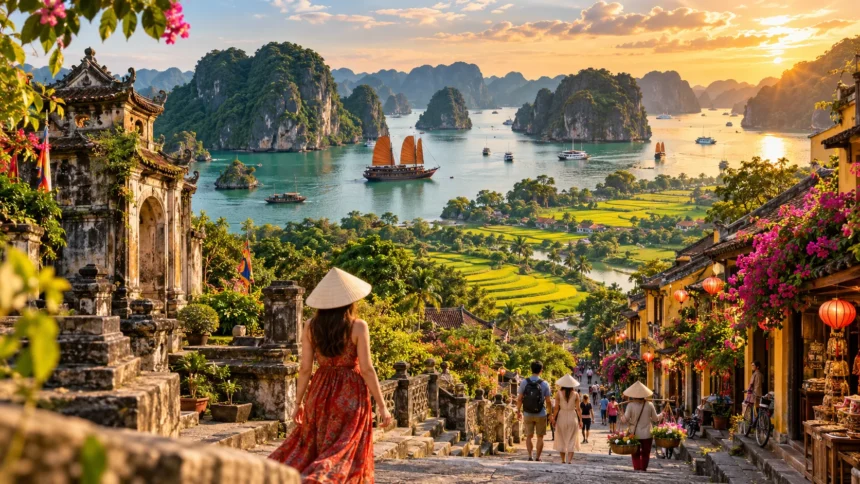
Vietnam is one of Southeast Asia’s most fascinating travel destinations, offering a beautiful combination of natural landscapes, historic cities, cultural traditions, and delicious food. From the limestone islands of Ha Long Bay to the colorful streets of Hoi An, the country provides unforgettable experiences for different types of travelers. Whether you enjoy relaxing beaches, mountain adventures, or exploring ancient temples, Vietnam has something special to offer.
Traveling through Vietnam allows visitors to experience bustling cities, peaceful countryside, tropical islands, and traditional villages. Each region has its own attractions, local dishes, and cultural experiences that make the journey memorable. The country is also known for its welcoming hospitality, affordable travel options, and diverse accommodation choices, making it popular among budget travelers and families.
This Vietnam travel guide explores the best places to visit, top things to do, cultural attractions, local food, and useful travel planning tips. You will also learn about the best time to visit Vietnam, transportation options, and practical ways to enjoy your trip.
Why Vietnam Should Be on Your Travel Bucket List
Vietnam attracts travelers with its remarkable geographical diversity, stretching from mountainous northern regions to tropical southern islands. Visitors can explore rice terraces, limestone caves, scenic rivers, and beautiful coastlines within the same country. Major cities offer modern attractions alongside traditional markets and historic neighborhoods. This variety makes Vietnam an excellent destination for travelers interested in combining nature, culture, and adventure.
Another reason to visit Vietnam is its fascinating history and cultural heritage. Ancient temples, imperial buildings, traditional villages, and historic landmarks provide insights into the country’s past. Local festivals and everyday customs also reflect traditions that continue to influence Vietnamese life. Exploring these cultural attractions creates opportunities to understand the country beyond its most popular tourist destinations.

Vietnam also offers travel experiences for different interests and budgets. Visitors can choose affordable guesthouses, comfortable hotels, luxury resorts, and countryside homestays. Local transportation and traditional restaurants often provide good value compared with many international destinations. Careful planning allows travelers to experience Vietnam’s major attractions while maintaining a realistic travel budget.
Explore Hanoi: Vietnam’s Historic Capital
Hanoi is the capital of Vietnam and one of the best places to begin exploring the country’s history and culture. Its streets combine traditional architecture, busy markets, historic temples, and modern urban life. The Old Quarter is particularly popular for its narrow streets and distinctive atmosphere. Walking through this neighborhood allows visitors to discover local shops, traditional food, and everyday Vietnamese culture.
Hoan Kiem Lake is another important attraction located near Hanoi’s historic center. Visitors can enjoy peaceful walks around the lake while observing local residents and beautiful surrounding architecture. The nearby Ngoc Son Temple adds cultural interest to the area. Other worthwhile attractions include the Temple of Literature, the Vietnam Museum of Ethnology, and the city’s historic French-influenced buildings.
Hanoi is also famous for its exciting food culture and traditional cafés. Travelers can sample local specialties such as pho, bun cha, and egg coffee while exploring different neighborhoods. Street food tours provide opportunities to learn about regional cooking traditions. Spending two or three days in Hanoi is a practical starting point for discovering northern Vietnam.
Visit Ha Long Bay and the Beautiful Landscapes of Ninh Binh
Ha Long Bay is among Vietnam’s most recognizable natural attractions, famous for its emerald waters and towering limestone islands. The UNESCO-listed landscape features thousands of limestone formations surrounded by scenic coastal waters. Boat cruises allow visitors to admire the islands from different perspectives. Some itineraries also include cave visits, kayaking, and opportunities to explore quieter areas of the bay.
Ninh Binh offers another spectacular landscape filled with limestone mountains, winding rivers, and peaceful rice fields. The Trang An Scenic Landscape Complex is particularly popular for guided boat journeys through waterways and natural caves. Tam Coc provides similar scenery, with traditional boats traveling between limestone cliffs and agricultural fields. These experiences are excellent for nature lovers and photography enthusiasts.
Visitors can also explore the ancient capital of Hoa Lu and enjoy panoramic countryside views around Hang Mua. The region combines natural beauty with important historical landmarks and rural experiences. Ninh Binh is accessible from Hanoi and can be explored through short visits or overnight stays. Travelers with additional time should consider staying longer to enjoy its quieter surroundings.
Discover Sapa and Northern Vietnam’s Mountain Scenery
Sapa is a popular mountain destination in northern Vietnam, known for its terraced rice fields, misty valleys, and beautiful highland landscapes. Located in Lao Cai Province, the town serves as a gateway to surrounding villages and mountain viewpoints. The region offers a refreshing contrast to Vietnam’s crowded cities. Its scenery changes noticeably with the seasons, creating different experiences throughout the year.
Trekking is one of the most popular activities in Sapa because it allows visitors to explore countryside paths and traditional villages. Local guided walks can provide insights into agricultural practices and the cultures of highland communities. Travelers should choose suitable routes based on weather conditions and physical ability. Respectful visits support more meaningful interactions with local residents.
Fansipan, often called the Roof of Indochina, is another major attraction near Sapa. Visitors can reach the upper mountain area using the cable car system and enjoy impressive views when the weather is clear. Mountain conditions can change quickly, so appropriate clothing is important. Spending several days in the region provides more opportunities to appreciate its scenery.
Experience Hue and Phong Nha’s Cultural and Natural Wonders
Hue is one of Vietnam’s most historically significant destinations and was once the imperial capital of the Nguyen Dynasty. The city is famous for its Imperial City, royal tombs, and historic structures along the Perfume River. Exploring these landmarks provides insight into Vietnam’s imperial history and architectural traditions. Hue is particularly appealing to travelers interested in heritage and cultural experiences.
The Imperial City contains gates, ceremonial spaces, and historic buildings associated with the former royal court. Visitors can also explore the Tomb of Minh Mang and the Tomb of Khai Dinh, which reflect distinctive architectural styles. Thien Mu Pagoda is another recognizable landmark overlooking the Perfume River. These attractions make Hue an important stop on a cultural journey.
Phong Nha-Ke Bang National Park is a remarkable destination for nature lovers, known for its limestone landscapes and extensive cave systems. Visitors can explore accessible attractions such as Phong Nha Cave and Paradise Cave through established visitor routes. Guided activities vary according to the cave and local conditions. Combining Hue with Phong Nha creates a memorable journey through central Vietnam.
Explore Hoi An and Da Nang’s Best Attractions
Hoi An is one of Vietnam’s most charming destinations, recognized for its preserved historic buildings, colorful lanterns, and peaceful riverside setting. The Ancient Town features traditional merchant houses, temples, and narrow walking streets. Its architecture reflects centuries of regional trading connections. Exploring Hoi An during the evening offers beautiful views of illuminated buildings and lantern-filled streets.
The Japanese Covered Bridge is one of the town’s most recognizable cultural landmarks. Visitors can also explore local markets, traditional workshops, and nearby countryside villages. Hoi An is known for tailoring services and cooking classes that introduce travelers to Vietnamese traditions. Nearby An Bang Beach provides an opportunity to relax beside the sea after sightseeing.
Da Nang is a modern coastal city located within convenient traveling distance of Hoi An. Popular attractions include My Khe Beach, the Marble Mountains, and the famous Golden Bridge at Ba Na Hills. The city also offers waterfront walks, restaurants, and scenic viewpoints. Visiting both destinations allows travelers to combine historic architecture with modern attractions and coastal scenery.
Discover Ho Chi Minh City and Its Famous Landmarks
Ho Chi Minh City is Vietnam’s largest city and a major center of commerce, culture, and modern urban life. Formerly known as Saigon, it features lively streets, historic buildings, markets, and contemporary skyscrapers. The city’s energetic atmosphere creates a different experience from Hanoi. Visitors can explore traditional neighborhoods while enjoying modern shopping and entertainment districts.
The War Remnants Museum provides historical information about the Vietnam War and its consequences. The Independence Palace, also known as the Reunification Palace, is another significant historical landmark. Travelers can also admire the exterior architecture of the Central Post Office and explore nearby central districts. These attractions provide valuable context about the city’s history and development.
Ben Thanh Market is a well-known destination for shopping, souvenirs, and local food experiences. Visitors can discover traditional products, clothing, and Vietnamese dishes while exploring the market’s busy surroundings. The city also offers rooftop viewpoints, parks, and diverse restaurants. Spending several days here provides time to experience both historic attractions and everyday urban culture.
Explore the Mekong Delta and Vietnam’s Tropical Islands
The Mekong Delta is a fascinating region in southern Vietnam, known for its extensive waterways, agricultural landscapes, and riverside communities. Visitors can explore canals, orchards, traditional villages, and local markets during guided excursions. Boat journeys are particularly popular because they provide a different perspective of regional life. The delta offers a peaceful contrast to the busy streets of Ho Chi Minh City.
Can Tho is one of the main destinations in the Mekong Delta and provides access to the famous Cai Rang Floating Market. Early morning visits may offer opportunities to observe trading activity and local river transportation. Travelers can also explore nearby villages and traditional food experiences. Overnight stays provide more flexibility than rushing through the region during a short excursion.
Vietnam’s southern islands offer additional opportunities for relaxing coastal holidays. Phu Quoc is particularly popular for its beaches, tropical landscapes, and resort accommodation. Visitors can enjoy coastal sightseeing, local markets, and organized water activities under suitable conditions. Travelers interested in less crowded experiences may also explore other coastal destinations based on accessibility and seasonal weather.
Enjoy the Best Vietnamese Food and Local Experiences
Vietnamese cuisine is one of the highlights of traveling through the country because it combines fresh ingredients, aromatic herbs, and distinctive regional flavors. Pho is a popular noodle soup enjoyed in different variations throughout Vietnam. Banh mi is another recognizable specialty featuring a Vietnamese-style baguette with different fillings. Local markets and restaurants provide opportunities to discover authentic everyday dishes.
Different regions have their own specialties that reflect local ingredients and culinary traditions. Hanoi is known for dishes such as bun cha, while Hue offers distinctive noodle preparations and traditional imperial-inspired cuisine. Hoi An is particularly associated with cao lau noodles and other local dishes. Trying regional specialties adds variety to a Vietnam travel itinerary.
Cooking classes are an enjoyable way to learn about Vietnamese food beyond restaurant dining. Many experiences include visits to local markets and explanations of commonly used ingredients. Travelers can also explore traditional coffee culture, including Vietnamese iced coffee and regional variations. Choosing reputable food providers and drinking safe water helps make culinary exploration more comfortable.
Best Time to Visit Vietnam for Good Weather
The best time to visit Vietnam depends on which regions you plan to explore because weather conditions vary considerably from north to south. Northern Vietnam experiences cooler winters and warm, humid summers. Spring and autumn often provide comfortable conditions for exploring Hanoi and surrounding destinations. However, mountain areas can be significantly colder than the cities.
Central Vietnam experiences periods of warm beach weather along with seasonal heavy rainfall. Da Nang and Hoi An often have favorable sightseeing conditions during parts of spring and early summer. Heavy rain, flooding, and tropical storms can affect central coastal areas during other months. Travelers should review regional weather patterns rather than choosing dates based only on national averages.
Southern Vietnam generally has a tropical climate with wetter and drier seasons. The period from approximately November to April is often more suitable for outdoor sightseeing in Ho Chi Minh City and Phu Quoc. Rainfall becomes more frequent during other parts of the year. For a multi-region journey, March and April can offer a reasonable balance, although local weather always varies.
Vietnam Travel Tips for Transportation, Budget, and Safety
Getting around Vietnam is relatively convenient because travelers can choose domestic flights, trains, buses, and local transportation services. Flights are useful when covering long distances between major cities, while trains offer scenic journeys along established routes. Reputable transportation providers are important for comfortable travel. Book popular journeys in advance during major holidays and busy travel periods.
Vietnam can accommodate different travel budgets, depending on accommodation choices, transportation preferences, and activities. Guesthouses and local restaurants often provide affordable options, while luxury hotels and private tours cost considerably more. Keeping a daily spending plan helps control expenses. Travelers should also carry some Vietnamese dong for smaller purchases where electronic payments may not be accepted.
Before traveling, check passport validity, visa requirements, and entry conditions for your nationality through official channels. Purchase suitable travel insurance and review recommended health precautions before departure. When exploring busy streets, use designated crossings where possible and remain attentive to traffic. Protect personal belongings, respect local customs, and follow local guidance during severe weather.
Conclusion
Vietnam is a remarkable destination that combines historic cities, breathtaking landscapes, beautiful beaches, and fascinating cultural traditions. From exploring Hanoi’s Old Quarter to admiring Ha Long Bay and discovering Hoi An’s historic streets, travelers can enjoy experiences throughout the country. Every region offers distinctive attractions that make a journey through Vietnam memorable.
Planning your itinerary around regional destinations, seasonal weather, and personal interests can help you enjoy the country more comfortably. Whether you prefer exploring ancient landmarks, discovering local food, visiting mountain villages, or relaxing beside the ocean, Vietnam provides numerous possibilities. Choosing suitable transportation and allowing enough time at each destination can make the experience more rewarding.
A successful Vietnam trip is not simply about visiting as many attractions as possible. It is also about experiencing local culture, appreciating natural beauty, and exploring destinations at a comfortable pace. With thoughtful preparation and an open mind, you can discover why Vietnam remains one of Southeast Asia’s most appealing travel destinations.
Frequently Asked Questions
What Are the Best Places to Visit in Vietnam?
The best places to visit in Vietnam include Hanoi, Ha Long Bay, Ninh Binh, Sapa, Hue, Hoi An, Da Nang, Ho Chi Minh City, and Phu Quoc. Each offers unique attractions.
What Is the Best Time of Year to Visit Vietnam?
March and April often offer favorable conditions for visiting several regions. However, Vietnam has different climate zones, so the best travel dates depend on your destinations and preferred activities.
How Many Days Do You Need to Explore Vietnam?
A trip of 10 to 14 days allows travelers to explore several major destinations. Spending two to three weeks provides more flexibility for visiting northern, central, and southern Vietnam.
Is Vietnam an Affordable Travel Destination?
Vietnam can be an affordable destination, particularly for travelers using local transportation, guesthouses, and traditional restaurants. Total expenses depend on accommodation standards, activities, transportation choices, and travel season.
What Food Should You Try When Visiting Vietnam?
Popular Vietnamese dishes include pho, banh mi, bun cha, cao lau, and fresh spring rolls. Exploring regional specialties and local food markets is an enjoyable part of traveling through Vietnam.