

Introduction
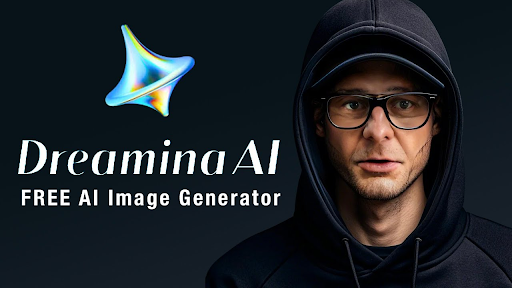
Visual content has become an important part of the digital world. From social media posts to business websites, attractive images help people communicate ideas more effectively. However, creating professional visuals can take time, especially for people without graphic design experience. This is where an AI Image Generator becomes useful.
Artificial intelligence has changed how people create and edit digital images. Instead of spending hours learning complicated design software, users can describe their ideas in simple words. The technology then turns those descriptions into visual content.
Whether you are a content creator, marketer, business owner, student, or designer, AI-powered image creation can make your creative process easier. It offers a convenient way to experiment with different styles, concepts, and visual ideas.
What Is an AI Image Generator?
An AI image generator is a digital tool that uses artificial intelligence to create images based on written instructions. These instructions are commonly called prompts. Users describe what they want to see, and the system produces an image that matches the description.
For example, someone might enter a prompt describing a modern living room with natural lighting, wooden furniture, and indoor plants. The tool analyzes the request and generates a visual representation.

These platforms use advanced machine learning models trained on large collections of visual information. They learn patterns involving colors, shapes, objects, textures, and artistic styles.
This makes image creation more accessible to people who may not have traditional design skills.
How Does AI Image Generation Work?
The process behind AI image creation involves several advanced technologies. However, using these tools is usually straightforward.
First, users provide a text prompt explaining the image they want. The AI system processes the description and identifies important visual details.
Next, the model generates an image by interpreting the relationships between different elements. It considers details such as composition, lighting, background, colors, and artistic style.
Finally, the generated image appears on the screen. Depending on the platform, users may be able to adjust the prompt, generate additional versions, or improve the result.
A detailed prompt generally produces more relevant results. Including information about the subject, environment, lighting, and style can help communicate your creative vision.
Benefits of Using AI Image Generation Tools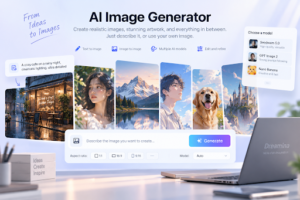
Ai image generator creation offers several advantages for individuals and businesses.
1. Saves Time and Effort
Traditional image creation often requires planning, designing, and editing. AI tools can reduce the time needed to produce visual concepts.
Users can generate multiple ideas within a short period. This is particularly helpful for marketers and content creators who regularly need fresh visuals.
2. No Advanced Design Skills Required
Not everyone knows how to use professional graphic design software. AI image creation makes the process easier through simple text instructions.
Beginners can experiment with different ideas without learning complicated editing techniques.
3. Supports Creative Exploration
Sometimes, people have an idea but struggle to imagine how it should look. AI tools help turn abstract concepts into visible examples.
Users can explore different artistic directions, color combinations, and compositions before selecting their preferred result.
4. Useful for Different Industries
Businesses across different industries can benefit from AI-generated visuals. Online stores can explore product concepts, while bloggers can create supporting illustrations.
Educational institutions can also use generated images to explain complicated topics more clearly.
Popular Uses of AI-Generated Images
AI-generated visuals are useful in many creative and professional situations.
Social Media Marketing: Businesses can create attractive graphics for Instagram, Facebook, Pinterest, and other platforms.
Website Design: Website owners can develop visual concepts for banners, backgrounds, and blog illustrations.
Digital Advertising: Marketing teams can explore different advertising concepts without creating every design manually.
E-Commerce: Online sellers can experiment with product presentation ideas and promotional visuals.
Education: Teachers and students can create illustrations that make learning materials more engaging.
Personal Projects: Individuals can produce wallpapers, greeting cards, artwork, and creative designs based on their interests.
Tips for Writing Better AI Image Prompts
The quality of an AI-generated image often depends on the instructions provided. A clear prompt helps the system understand the desired result.
Here are some practical ways to improve your prompts.
- Describe the main subject: Clearly explain what should appear in the image.
- Mention the environment: Include details about the location or background.
- Choose an artistic style: Specify realistic photography, watercolor, illustration, or 3D artwork.
- Explain the lighting: Natural daylight, studio lighting, and sunset lighting can create different moods.
- Include composition details: Mention camera angles, framing, and image orientation when necessary.
- Avoid unnecessary information: Keep your instructions focused and organized.
For example, instead of writing “a beautiful garden,” try describing a peaceful garden with colorful flowers, a small stone pathway, soft morning sunlight, and realistic photography.
This gives the AI more useful information to work with.
Choosing the Right AI Image Generator
Different platforms offer different features, so selecting the right option depends on your creative goals.
Some tools focus on realistic photography, while others are designed for illustrations, artistic images, or marketing graphics.
Before choosing a platform, consider its image quality, available styles, editing features, generation speed, and pricing.
It is also worth checking whether the platform allows commercial use. This is particularly important for businesses that plan to publish generated images in advertisements, websites, or product campaigns.
Beginners may prefer a simple interface, while experienced designers might need more advanced customization options.
Common Mistakes to Avoid
Although AI image generation is relatively simple, certain mistakes can affect the final results.
One common mistake is writing prompts that are too short or unclear. Without sufficient details, the generated image may not match the original idea.
Another issue is expecting perfect results from the first attempt. Sometimes, small prompt adjustments are necessary to achieve the desired appearance.
Users should also review generated images carefully. AI systems can occasionally produce incorrect details, unusual object shapes, or inconsistent visual elements.
For professional projects, always check image quality, accuracy, and licensing conditions before publishing.
The Future of AI Image Generation
Artificial intelligence continues to improve the digital creative industry. Image generation technology is becoming more advanced, providing users with better visual quality and greater creative control.
Future developments may make it easier to maintain consistent characters, modify specific image elements, and create visuals with more accurate details.
These improvements could benefit designers, advertisers, educators, and businesses of all sizes.
However, human creativity will remain important. AI can help produce visual ideas, but people still need to provide direction, review results, and make creative decisions.
Conclusion
An AI Image Generator provides a practical way to turn written ideas into digital visuals. It helps users save time, explore creative possibilities, and produce images without requiring advanced design experience.
From social media marketing to website development, these tools offer opportunities across many industries. Choosing the right platform and writing detailed prompts can significantly improve the results.
As artificial intelligence continues to develop, image generation will likely become an even more useful part of everyday digital creativity. Whether you are experimenting with personal artwork or developing professional marketing materials, AI-powered tools can help bring your imagination to life.