


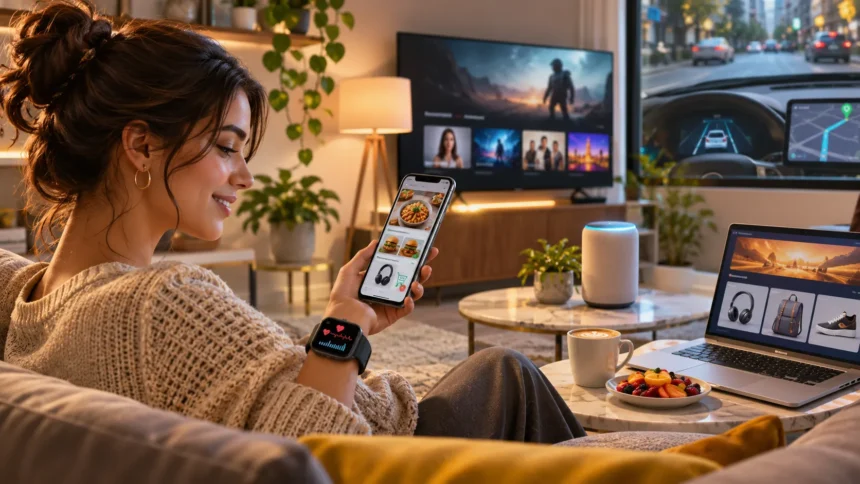
Machine learning is becoming an important part of everyday life, even when we do not notice it. From personalized shopping recommendations to smart navigation systems, this technology helps people complete daily tasks more efficiently. Many digital services use machine learning to understand preferences, recognize patterns, and provide useful suggestions.
Today, machine learning applications are found in smartphones, healthcare, education, banking, transportation, and entertainment. Understanding these practical uses can help you recognize how artificial intelligence influences modern technology. This guide explains common machine learning applications in everyday life, their benefits, and the challenges users should understand.
What Is Machine Learning and How Does It Work?
Machine learning is a branch of artificial intelligence that allows computers to identify patterns in data and improve their performance through training. Instead of following only fixed instructions, machine learning models learn relationships from examples. These patterns help systems make predictions, classify information, and recommend actions. The quality of their results depends on training data and model design.
Most machine learning systems begin by collecting and preparing relevant information for analysis. Algorithms then examine the data to identify patterns that support a particular task. For example, a model may learn to recognize unwanted emails by studying previously labeled messages. Once trained, it can evaluate new emails and estimate whether they are spam.
There are several machine learning approaches, including supervised learning, unsupervised learning, and reinforcement learning. Each approach uses information differently depending on the problem being solved. Supervised learning uses labeled examples, while unsupervised learning searches for patterns without predefined labels. Reinforcement learning improves decisions through feedback from actions and outcomes.
Personalized Recommendations on Streaming Platforms
One of the most familiar machine learning applications in everyday life involves entertainment recommendations. Streaming services analyze viewing habits, listening preferences, and interactions to suggest relevant content. These systems may consider previously watched movies, favorite genres, and similar user interests. As preferences change, recommendation models can adjust their suggestions to match new patterns.
Platforms such as Netflix, YouTube, and Spotify use recommendation technologies to help users discover entertainment. Their systems can evaluate viewing history, engagement signals, and relationships between different content items. Someone who frequently watches documentaries may receive suggestions for related educational videos. However, the exact recommendation methods differ across platforms and can change over time.
Personalized recommendations make entertainment discovery easier by reducing the need for endless searching. They can also introduce users to unfamiliar artists, shows, and topics connected to their interests. However, repeated recommendations may sometimes limit exposure to different viewpoints or genres. Exploring content manually remains useful for maintaining variety in entertainment choices.
Machine Learning in Search Engines
Search engines use machine learning to interpret queries and identify information that may answer users’ questions. These systems examine language patterns, search intent, and relationships between words to understand requests. For example, a search about nearby restaurants may require different results than a request for cooking instructions. Machine learning helps distinguish these meanings.
Modern search technology can also recognize spelling mistakes and understand conversational questions. When someone enters an incomplete phrase, search systems may suggest relevant queries based on learned patterns. Natural language processing helps identify relationships between words and their surrounding context. This makes searching more convenient for people who use different expressions to ask similar questions.
Machine learning contributes to several search features, but it does not independently determine every result. Search engines combine multiple technologies and ranking signals to retrieve and organize information. Users benefit from improved query understanding, relevant suggestions, and more accessible search experiences. Nevertheless, checking the reliability of sources remains important because search results are not always accurate.
Smart Assistants and Voice Recognition
Virtual assistants are another practical example of machine learning in everyday life. Technologies such as Siri, Alexa, and Google Assistant use speech recognition and language processing to interpret spoken requests. They can help users set reminders, check schedules, and control compatible devices. These features make everyday interactions with technology more convenient.
Speech recognition models analyze audio signals to identify spoken words and phrases. Language processing systems then interpret the request and determine an appropriate response or action. For instance, asking an assistant to set an alarm involves recognizing the instruction and identifying the requested time. Different systems may perform these tasks with varying accuracy.
Voice assistants are particularly useful when typing or manually navigating a device is inconvenient. They can support hands-free interactions while cooking, organizing tasks, or using accessible technology. However, background noise, accents, and unclear instructions can affect recognition accuracy. Reviewing privacy settings and voice recording controls also helps users understand how their information is handled.
Navigation and Traffic Prediction Systems
Navigation applications use machine learning to improve route suggestions and estimate travel conditions. Services such as Google Maps can analyze historical traffic patterns alongside current road information. This helps predict delays and estimate how long different journeys may take. The resulting recommendations can make travel planning more convenient for drivers and other commuters.
Traffic prediction models examine factors such as road usage, time of day, and previous congestion patterns. They may also use current traffic observations when available. For example, a road that becomes crowded during morning commuting hours may receive a longer estimated travel time. Predictions can change when traffic conditions differ from typical patterns.
Machine learning also supports transportation services through demand forecasting and estimated arrival times. Ride-hailing applications can use predictive models to anticipate customer demand in different areas. This information helps platforms coordinate transportation resources and improve operational planning. However, accidents, unexpected closures, and weather changes can still make travel estimates inaccurate.
Email Filtering and Online Communication
Email services use machine learning to identify spam, suspicious messages, and potentially harmful communication. These systems examine patterns in message content, sender behavior, and other available signals. By learning from examples, filtering models can recognize similarities between unwanted emails. This helps keep inboxes organized and reduces exposure to common online threats.
Machine learning also supports features such as automatic message categorization and suggested replies. Some email platforms organize promotional messages separately from personal conversations. Others provide short writing suggestions based on common language patterns. These features can reduce repetitive tasks and make routine communication easier to manage, especially when users receive numerous messages.
Although automated filters are useful, they occasionally make mistakes when classifying legitimate messages. An important email might enter the spam folder, while an unwanted message could reach the inbox. Users should periodically review filtered messages and avoid trusting unfamiliar senders automatically. Combining machine learning tools with careful online habits provides better protection.
Machine Learning in Banking and Digital Payments
Banks and payment providers use machine learning to identify unusual transaction patterns and support fraud detection. Predictive systems can evaluate payment activity and compare it with previously observed behavior. For instance, an unexpected purchase pattern may trigger additional verification. This helps financial institutions investigate potentially suspicious transactions before losses become more serious.
Machine learning models can examine transaction amounts, purchase frequency, device information, and other permitted signals. These details help systems estimate whether an activity differs significantly from expected behavior. Some financial services also apply predictive analytics to assess credit risk and support operational decisions. However, these decisions require appropriate oversight because predictions are not always reliable.
Digital banking applications may also use machine learning for customer support and financial planning features. Automated systems can categorize spending, answer common questions, and identify recurring expenses. These tools make it easier to understand financial activity and manage routine banking tasks. Users should still review transactions carefully and contact their financial institution about unfamiliar activity.
Online Shopping and Personalized Customer Experiences
Online retailers use machine learning to recommend products based on browsing activity and shopping preferences. Recommendation systems may analyze viewed items, previous purchases, and interactions with product categories. For example, someone exploring home office furniture may receive suggestions for desks or storage accessories. These recommendations help shoppers discover related products without searching every category.
Machine learning can also improve product search features within online stores. Systems analyze search terms, product descriptions, and customer interactions to identify relevant listings. Some retailers use visual search technology to recognize items in uploaded images. This allows customers to explore products using pictures rather than relying entirely on written descriptions or exact product names.
Businesses also use predictive analytics to estimate demand and improve inventory management. By studying historical sales and seasonal patterns, retailers can anticipate which products may become popular. Better forecasts can reduce unnecessary stock shortages or excess inventory. However, recommendations should not replace careful product comparisons, especially when evaluating quality, suitability, and price.
Healthcare and Medical Technology Applications
Healthcare organizations use machine learning to support medical research, image analysis, and clinical decision-making. Certain systems can identify patterns in medical images or patient information that deserve closer examination. These tools may help healthcare professionals review large amounts of complex information. However, clinical interpretation and treatment decisions still require qualified medical oversight.
Machine learning is also used in some wearable devices and health monitoring applications. Smartwatches and fitness trackers can analyze activity patterns, sleep information, and selected physiological measurements. Depending on the device, these systems may identify trends or provide alerts about unusual readings. Their accuracy and medical capabilities vary significantly between products.
Researchers also apply machine learning to drug discovery and disease-related data analysis. Algorithms can help identify promising patterns that scientists investigate through further testing. This approach may improve research efficiency, although it does not replace laboratory studies or clinical trials. Responsible healthcare applications require reliable evidence, patient privacy, and careful evaluation of potential errors.
Smart Homes and Everyday Automation
Smart home technology uses machine learning in certain devices to recognize patterns and support automation. Connected thermostats, cameras, and household systems may learn from repeated interactions and environmental information. For example, a compatible thermostat can adjust temperature settings based on observed household routines. These features can make everyday home management more convenient.
Some home security cameras use machine learning to distinguish between people, animals, vehicles, and other moving objects. This helps reduce unnecessary alerts when the system recognizes familiar activity patterns. Smart lighting systems may also combine sensors, schedules, and learned preferences to adjust illumination. Not every automated home feature requires machine learning, however.
Smart home applications may improve convenience, accessibility, and energy management when configured appropriately. Automated temperature controls can help reduce unnecessary heating or cooling during certain periods. However, connected devices can collect information about household behavior and routines. Reviewing device permissions, software updates, and security settings is important for protecting personal information.
Machine Learning in Education and Online Learning
Educational platforms use machine learning to personalize learning experiences and recommend suitable study materials. Some systems analyze quiz responses, completed lessons, and learning progress to identify areas needing additional practice. Students may receive exercises that match their current understanding of a subject. This approach can make independent learning more structured and flexible.
Adaptive learning tools can adjust the difficulty of questions based on student performance. For instance, a learner struggling with multiplication may receive additional explanations and practice activities. Students who demonstrate strong understanding may encounter more challenging exercises. These systems can provide useful feedback, although they cannot fully understand every learner’s circumstances.
Machine learning also supports language learning, writing assistance, and educational content organization. Some applications evaluate pronunciation, suggest grammar corrections, or recommend lessons based on progress. Teachers can use appropriate analytical tools to identify general learning trends and plan additional support. Human guidance remains essential for explaining difficult ideas, encouraging curiosity, and evaluating understanding.
Benefits, Challenges, and the Future of Machine Learning
One major benefit of machine learning is its ability to analyze large amounts of information efficiently. It can automate repetitive tasks, identify useful patterns, and improve certain predictions. Businesses benefit from improved operational planning, while individuals enjoy personalized digital services. These advantages explain why machine learning applications continue expanding across everyday activities.
Despite these benefits, machine learning introduces challenges involving privacy, fairness, and accuracy. Models can produce incorrect results when training data is incomplete, unrepresentative, or outdated. Automated decisions may also reproduce unfair patterns found in historical information. Responsible development requires careful testing, appropriate human supervision, and clear safeguards for personal data.
Future machine learning systems may provide more capable assistants, improved accessibility tools, and better support for complex tasks. Developments in efficient models and on-device processing could allow more features to work directly on personal devices. Still, technological progress must be balanced with security, transparency, and accountability. Understanding these considerations helps people use machine learning responsibly.
Conclusion
Machine learning applications in everyday life have changed how people communicate, shop, travel, learn, and access digital services. From streaming recommendations to fraud detection, the technology helps systems recognize patterns and support useful decisions. Many of these features operate quietly within applications that people use regularly, making technology feel increasingly convenient.
The benefits of machine learning include greater efficiency, personalized experiences, and improved information analysis. However, these advantages come with responsibilities involving privacy, accuracy, and fairness. Users should understand that automated recommendations and predictions can sometimes be incorrect, especially when systems encounter unfamiliar situations or unreliable information.
As machine learning continues developing, its role in everyday technology will likely become more significant. Learning how these systems work can help individuals make informed choices about digital tools. By combining technological innovation with human judgment and responsible practices, society can benefit from useful machine learning applications while managing their limitations.
Frequently Asked Questions (FAQs)
What are the most common applications of machine learning in everyday life?
Common applications include personalized recommendations, voice assistants, navigation systems, spam filtering, fraud detection, and shopping suggestions. Machine learning also supports selected healthcare technologies, educational platforms, and smart home devices.
How is machine learning used in smartphones?
Smartphones use machine learning for features such as speech recognition, camera enhancements, predictive text, and facial recognition. Some devices also process information locally to provide personalized features while reducing unnecessary data transmission.
What is a simple real-life example of machine learning?
A streaming service recommending movies based on viewing history is a simple example. Its recommendation system analyzes patterns in content preferences and user interactions to suggest movies that may be relevant.
What are the main benefits of machine learning?
Machine learning can improve efficiency, automate repetitive processes, personalize digital experiences, and identify patterns in complex data. It can also support predictions that help individuals and organizations make better-informed decisions.
Can machine learning make mistakes in everyday applications?
Yes, machine learning systems can make incorrect predictions or recommendations because of incomplete data, changing conditions, or model limitations. Users should verify important information and avoid relying entirely on automated decisions.