
Comparing Free AI Image Generation Tools: A Comprehensive Overview

admin
By admin
20 Min Read

Introduction to AI Image Generation

AI image generation refers to the use of artificial intelligence algorithms to create images from scratch or by modifying existing ones. This innovative technology leverages deep learning techniques, particularly generative adversarial networks (GANs), to produce high-quality visual content that can mimic human artistry and creativity. The significance of AI image generation cannot be overstated, as it finds applications across various fields, enriching industries such as art, marketing, design, and entertainment.

In the realm of art, AI image generation serves as a powerful tool for artists to explore new creative horizons. By generating unique artworks based on learning patterns from extensive datasets, artists can collaborate with AI to produce pieces that challenge traditional notions of creativity. Furthermore, marketing professionals utilize AI-generated images to create compelling visual content that captures consumer attention, enhancing engagement and brand messaging.

In design, AI image generation facilitates rapid prototyping and conceptualization. Designers can create multiple visual iterations quickly, allowing for efficient exploration of ideas and concepts. This not only speeds up the design process but also fosters innovation by presenting designers with unexpected visual outcomes. The entertainment sector benefits as well, with AI-generated images contributing to video game design, movie production, and immersive experiences, pushing the boundaries of storytelling and visual effects.

The advancements in artificial intelligence, including improvements in training algorithms and computational power, have significantly enhanced the capabilities of AI image generation tools. Today, these tools are not only more effective but also increasingly accessible, contributing to their growing popularity among creators and businesses alike. This trend highlights the shifting landscape of content creation where AI plays an integral role in shaping visual narratives.

How AI Image Generation Works

AI image generation is a fascinating blend of technology and creativity, primarily driven by machine learning algorithms and neural networks. At the core of this technology lies the concept of generative adversarial networks (GANs), which are designed to generate images by learning from a vast dataset. Unlike traditional image processing techniques that require explicit programming, AI image generation leverages learned patterns and data to create visually appealing outputs.

Machine learning serves as the foundation for AI image generation, enabling systems to analyze and learn from multimodal datasets consisting of images, text, and other relevant data points. Through training, algorithms identify relationships and stylings within the images, paving the way for thoughtful and informed generation. The process entails feeding large volumes of data into the system, allowing it to understand and recognize various elements of visual representation.

A GAN comprises two key components: a generator and a discriminator. The generator is the part of the model that creates new images, while the discriminator evaluates their authenticity by distinguishing between real and generated images. This adversarial process continues iteratively, with each component improving its capabilities based on the feedback provided by its counterpart. Over numerous cycles, the generator becomes adept at producing high-quality images that closely resemble the data it was trained on.

In addition to GANs, other methods of image generation can include convolutional neural networks (CNNs) and variational autoencoders (VAEs). Each of these approaches offers unique techniques for refining the image generation process. The ongoing advancements in these technologies promise exciting implications for diverse applications, including art, gaming, and design.

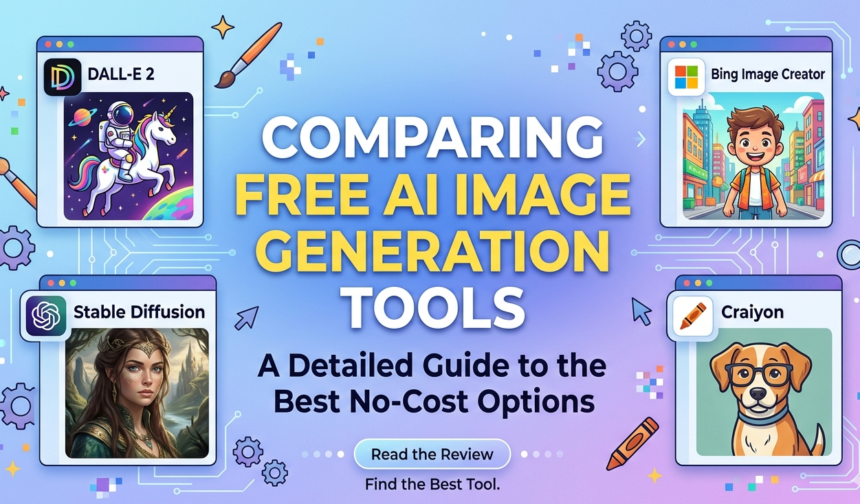
In recent times, numerous free AI image generation tools have emerged, catering to various user needs, skill levels, and creative ambitions. Here, we will discuss some of the most notable options available to users, outlining their key features, unique selling propositions, and target audiences.

One prominent tool is DALL-E Mini, which showcases the capabilities of AI in creating lifelike images from textual descriptions. Users can input simple phrases, and DALL-E Mini generates images that reflect the concepts described. This tool is particularly appealing to writers and digital artists seeking inspiration or those looking to create visuals for social media content quickly.

DeepAI offers another excellent option for free AI image generation. With a user-friendly interface, it allows users to create abstract and artistic images from text prompts. Its primary audience includes graphic designers and artists who wish to experiment with different styles and themes without the need for extensive technical expertise. DeepAI also provides an API allowing developers to integrate its capabilities into their applications effortlessly.

Another noteworthy tool is Artbreeder, which leverages generative adversarial networks (GANs) to create imaginative and diverse images collaboratively. Users can blend different images and modify parameters such as age, gender, and more to generate unique results. Artbreeder’s target audience includes digital artists and hobbyists who appreciate the fusion of art and technology, as it encourages a community-driven approach to creativity.

Overall, these free AI image generation tools demonstrate the vast potential of artificial intelligence in enhancing visual creativity. Each tool offers distinct features that cater to specific audiences, making them valuable assets for anyone looking to generate unique images effortlessly.

Features to Consider When Choosing an AI Image Generator

When selecting a free AI image generation tool, it is crucial to evaluate several essential features that influence both the quality of the images produced and the user experience. One of the primary factors to consider is the image quality the generator can provide. High-resolution outputs with realistic details should be prioritized, as these attributes are critical for both professional and personal projects.

Another important aspect is the ease of use of the tool. A user-friendly interface can significantly enhance the experience, especially for those who may not be well-versed in digital design or AI technologies. Look for tools that offer intuitive navigation and clear instructions, as these elements can help minimize the learning curve.

Customization options also play a vital role in the usefulness of an AI image generator. The ability to adjust various parameters, such as style, size, and color scheme, allows users to tailor images to fit specific needs or preferences. Tools that offer a wide range of these options are generally more desirable.

The diversity of training data used by the AI model is another critical factor. Generators trained on diverse datasets are likely to produce a wider variety of images and styles, which can lead to more unique and interesting outputs. This diversity is crucial for users looking for specific themes or artistic directions.

Additionally, community support can measure the reliability and usability of the tool. A vibrant user community often indicates a product that is actively maintained and improved, offering forums for users to share tips, tricks, and examples.

Lastly, understanding the licensing terms associated with the images generated is key to ensuring that users can utilize their creations appropriately, whether for personal use or commercial purposes. In essence, a thorough evaluation of these features can guide users in selecting the AI image generation tool that best meets their needs.

Comparative Analysis of Free AI Image Generation Tools

In the evolving landscape of digital creativity, AI image generation tools have gained significant traction. This comparative analysis evaluates various free AI image generation tools based on their features, strengths, and weaknesses, thus providing a clearer understanding for potential users.

First and foremost, Tool A stands out for its user-friendly interface and intuitive design. Many users find it easy to navigate, making it a popular choice for beginners. However, it does have limitations in terms of image resolution and the diversity of styles it supports, which may not meet the needs of advanced users seeking high-resolution graphics.

On the other hand, Tool B offers a broader range of artistic styles and high-quality image outputs. Reviews indicate that it excels in generating unique artistic representations, ideal for those looking to create distinctive visuals. However, users have reported longer processing times, which could hinder productivity for projects requiring quick turnarounds.

Meanwhile, Tool C is notable for its collaborative features, enabling teams to work together in real time. This functionality appeals to professionals who require seamless integration into their workflows. Nevertheless, some users have expressed concerns regarding the platform’s stability, with occasional crashes that disrupt the creative process.

Ultimately, the choice among these free AI image generation tools largely depends on the user’s specific needs and workflow. While Tool A is perfect for beginners, Tool B is suitable for artistic exploration, and Tool C is essential for collaborative projects. Each tool has distinctive strengths that cater to varied use cases, making it important for users to assess their priorities before making a selection.

Case Studies: Creating Images using Selected Tools

In recent years, the integration of AI technologies has ushered in a new era of image generation, enabling individuals and businesses to create compelling visual content effortlessly. In this section, we explore real-life case studies that highlight the effectiveness of selected free AI image generation tools.

One noteworthy case involved a graphic designer tasked with generating promotional materials for a local charity event. The designer chose to utilize Tool A, a simple yet powerful AI image generator. The objective was to create a series of eye-catching posters for social media platforms. The process began with inputting specific keywords related to the event, such as “charity,” “community,” and “hope.” Within minutes, Tool A produced a variety of unique designs that the designer could further refine. The final result was a visually appealing series of posters that garnered increased social media engagement and boosted attendance at the event.

Another case study involved a digital marketing team seeking to enhance their blog content through the inclusion of relevant images. They opted for Tool B, which specializes in generating background images tailored to blog themes. The team started by selecting various topics from their upcoming content calendar. By simply inputting these topics into Tool B, they received a selection of images that effectively complemented their written content. The outcomes were tangible; the team observed a significant increase in reader retention and time spent on each blog post, demonstrating the impact of well-chosen imagery.

Through these case studies, it is evident that free AI image generation tools can significantly streamline the image creation process. They not only empower users to produce high-quality visuals efficiently but also enhance overall project outcomes across different industries.

The field of AI image generation is rapidly evolving, leading to significant advancements and the emergence of various trends that will reshape the landscape of digital artistry. One of the most notable trends is the increasing collaboration between human creativity and artificial intelligence. As AI tools become more sophisticated, they are not just aids in the creative process but collaborators that can push the boundaries of artistic expression. Artists and designers are using AI to generate unique images based on their input, which enhances the creative process and introduces novel ideas that might not have been conceived otherwise.

Moreover, as technology advances, we can expect improvements in the ability of AI systems to understand and replicate complex artistic styles. Machine learning models are being trained on vast datasets containing various artwork styles, enabling them to create images that are not only visually compelling but also rich in cultural significance. This trend will likely lead to an increase in personalized art generation, with users being able to define their preferences, resulting in unique creations tailored to their tastes.

Ethical considerations also play a crucial role in the future of AI image generation. As AI images become indistinguishable from human-created art, questions surrounding copyright, authenticity, and the implications of AI-generated content on the art market will become more pressing. Collaboration between stakeholders—including artists, technologists, and ethicists—is essential to establish frameworks that address these concerns while promoting innovation.

In summary, the future of AI image generation is marked by enhanced collaboration, technological sophistication, and ethical challenges. These trends will continually reshape how we think about creativity and artistry in the digital era, positioning AI not just as a tool, but as a significant partner in the artistic journey.

Challenges and Limitations of Free AI Image Generators

While free AI image generation tools have made remarkable advancements, they are not without significant challenges and limitations. One major limitation pertains to accessibility. Although many of these tools can be used without cost, users often encounter restrictions, such as limited usage time, lower resolution outputs, or watermarked images, which may not meet the needs of professional users. This can deter individuals from fully harnessing the capabilities of these technologies for high-quality or large-scale projects.

Another critical issue lies in the quality of generated images. Free tools typically provide a uniform quality that may not align with the expectations of users requiring intricate detail or creative versatility. Unlike paid alternatives that offer advanced options and higher fidelity, free AI image generators can yield results that are overly simplistic or inconsistent. Therefore, users seeking superior image outputs often find themselves limited by the inherent constraints of these applications.

Copyright and intellectual property concerns further complicate the use of free AI-generated images. As many users may not fully understand the legal implications of these tools, there exists a potential risk of violating copyright laws, especially when images are generated based on existing works. The ethical considerations surrounding AI-generated content also present challenging dilemmas related to originality and authorship. The questions of who owns the rights to an AI-generated image and the ethical implications of using such content remain at the forefront of discussions about AI technologies.

Overall, while free AI image generation tools offer exciting possibilities, users must navigate a landscape filled with challenges, from accessibility and quality constraints to copyright and ethical implications. These factors necessitate careful consideration before fully integrating these tools into creative processes.

Conclusion: Making the Right Choice for Your Needs

In the realm of AI image generation, an abundance of tools is available, each with unique features and capabilities. Throughout this exploration, we have critically examined various free AI image generation tools, highlighting their strengths and weaknesses. Understanding the functionalities of these tools enables users to make informed decisions based on individual requirements. Whether it is for professional uses, educational purposes, or personal projects, selecting an AI image generator that aligns with your specific objectives is paramount.

One of the primary considerations when choosing an AI image generator is the intended use of the images created. For instance, graphic designers may seek advanced customization options and higher resolution outputs, whereas hobbyists might prioritize ease of use and quick results. Additionally, various tools may cater to different styles or types of artwork, from photorealistic images to abstract art. As a result, identifying the type of images you wish to produce is crucial.

Moreover, it is essential to weigh the learning curve associated with each tool. Some platforms offer user-friendly interfaces that facilitate a seamless creative flow, ideal for novices and those who require immediate results. Conversely, others may come with a steeper learning curve but yield more sophisticated and professional-quality images, appealing to experienced users.

Ultimately, the decision to choose one AI image generator over another should be guided by an understanding of your specific needs, goals, and artistic styles. By assessing several factors such as usability, output quality, and artistic flexibility, users can effectively identify a tool that best serves their creative endeavors. In conclusion, making an informed choice empowers individuals to maximize the advantages of AI image generation while aligning with their personal or professional ambitions.

TAGGED:
Share This Article
Leave a comment

Leave a Reply

Your email address will not be published. Required fields are marked *