

Berlin is one of Europe’s most fascinating cities, offering an exciting combination of history, art, architecture, food, and modern culture. Germany’s capital attracts travelers with its famous landmarks, colorful neighborhoods, world-class museums, and creative public spaces. Whether you enjoy exploring historical attractions, discovering street art, or relaxing in beautiful parks, Berlin offers memorable experiences for nearly every type of visitor.
What makes Berlin special is the contrast between its complicated past and its energetic modern atmosphere. Historic monuments stand near contemporary galleries, while former industrial spaces have become cultural destinations. Visitors can spend the morning exploring important historical sites and the afternoon enjoying neighborhood markets, peaceful gardens, or scenic riverside walks.
Finding the best things to do in Berlin becomes easier when you know which attractions deserve your attention. This guide covers famous landmarks, hidden gems, local favorites, food experiences, and practical sightseeing tips. Whether you are visiting for a weekend or planning a longer vacation, these ideas will help you experience Berlin beyond the usual tourist attractions.
Visit the Famous Brandenburg Gate
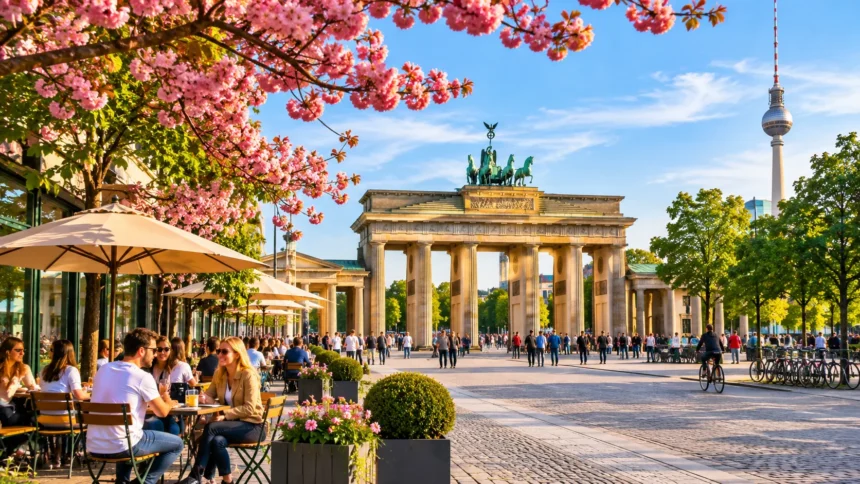
The Brandenburg Gate is one of Berlin’s most recognizable landmarks and an essential stop for first-time visitors. Located at Pariser Platz, this impressive neoclassical monument was completed in the eighteenth century. Its towering columns and famous Quadriga sculpture create a striking architectural scene that reflects important chapters of German history.
During the Cold War, the Brandenburg Gate stood near the division between East and West Berlin. Following the fall of the Berlin Wall, it became a powerful symbol of German unity. Today, visitors gather around the monument to take photographs, learn about its history, and experience one of the city’s most important public spaces.

The surrounding area also offers several attractions within comfortable walking distance, including the Reichstag building and the Memorial to the Murdered Jews of Europe. Visiting early in the morning may provide a quieter atmosphere for photography. The outdoor monument is freely accessible, making it one of the best free things to do in Berlin.
Explore Museum Island and Berlin’s Cultural Treasures
Museum Island is a UNESCO World Heritage Site located along the River Spree in central Berlin. This remarkable cultural district contains historic museum buildings showcasing art, archaeology, sculpture, and objects from different civilizations. Its impressive architecture makes the area worth exploring even if you do not plan to enter every museum.
Popular attractions include the Neues Museum, known for its Egyptian collection, and the Alte Nationalgalerie, which features nineteenth-century artwork. The Altes Museum and Bode-Museum provide additional opportunities to explore historical collections. The Pergamon Museum remains closed for renovations in November 2026, with a partial reopening planned for June 2027.
Plan your visit around the collections that interest you most instead of attempting to see everything in one afternoon. Museum admission fees, opening hours, and exhibition availability can vary. Walking around the island also provides beautiful views of Berlin Cathedral, historic bridges, and the surrounding riverfront.
Discover Berlin’s History at the East Side Gallery
The East Side Gallery is one of Berlin’s most meaningful outdoor attractions, combining historical preservation with contemporary artistic expression. Located along the River Spree, this approximately 1.3-kilometer stretch of the former Berlin Wall features murals created by international artists. The artwork explores themes of freedom, political change, identity, and hope.
Walking beside the gallery offers visitors an opportunity to reflect on Berlin’s division and reunification. Famous murals attract many photographers, but the entire collection deserves attention for its historical and artistic significance. The surrounding Friedrichshain neighborhood also provides interesting streets, cafes, and opportunities to explore Berlin’s creative culture.
The gallery is accessible without an admission fee, making it a convenient stop for budget-conscious travelers. Visitors should respect the artwork and avoid damaging the historic wall. Combining this attraction with a walk toward Oberbaum Bridge provides additional views of the River Spree and Berlin’s distinctive urban landscape.
Experience the Reichstag Building and Government District
The Reichstag building is one of Germany’s most significant political landmarks and an important example of historic and contemporary architecture. It houses the German Bundestag, the country’s federal parliament. Its impressive exterior reflects nineteenth-century architectural traditions, while the modern glass dome symbolizes transparency and offers views across the surrounding city.
Visitors can often explore the glass dome through an advance registration system, subject to security requirements and availability. The experience provides an interesting opportunity to learn about Germany’s parliamentary institutions while appreciating Berlin’s skyline. Because registration procedures can change, checking official visitor instructions before traveling is particularly important.
The surrounding government district also features modern buildings, landscaped public spaces, and pleasant riverside walking routes. You can combine a visit with nearby attractions such as Brandenburg Gate and Tiergarten. Allow enough time for security procedures and avoid assuming that same-day entry will always be possible.
Relax at Tempelhofer Feld Like a Local
Tempelhofer Feld is one of Berlin’s most unusual public parks because it occupies the grounds of a former airport. Its enormous open space includes old runways, grassy areas, and community gardens. Visitors can enjoy walking, cycling, relaxed outdoor activities, or simply spending time in a setting unlike a traditional city park.
The park is especially popular with local residents who appreciate its wide-open landscape and opportunities for recreation. Families, friends, and visitors gather here during pleasant weather to enjoy the fresh air. The expansive surroundings also provide impressive sunset views, making it an attractive destination for photography and peaceful afternoon outings.
Unlike crowded historical attractions, Tempelhofer Feld offers plenty of room to explore at your own pace. However, entrances operate according to seasonal opening arrangements, so visitors should check current access times. Bringing drinking water and comfortable walking shoes is useful because the park covers a substantial area.
Explore Kreuzberg’s Street Art and Food Scene
Kreuzberg is one of Berlin’s most culturally diverse neighborhoods, known for its creative atmosphere, independent businesses, and international food scene. Its streets feature murals, small galleries, cafes, and a mixture of historical and contemporary architecture. Exploring the neighborhood provides a different perspective from the city’s more formal sightseeing districts.
Food is an important part of the Kreuzberg experience, with Turkish, Middle Eastern, Vietnamese, and many other culinary influences represented. Visitors can explore local bakeries, casual restaurants, and neighborhood markets to discover different flavors. The area’s multicultural character reflects the communities that have contributed to Berlin’s identity over generations.
A relaxed walk along the Landwehr Canal is another enjoyable activity, particularly during warmer weather. Nearby streets offer opportunities for photography, shopping, and observing everyday neighborhood life. Respect residential spaces and remember that Kreuzberg is an active community rather than simply an outdoor tourist attraction.
Discover Local Food at Markthalle Neun
Markthalle Neun is a historic indoor market in Kreuzberg that brings together food producers, independent vendors, and culinary enthusiasts. The market offers a lively environment where visitors can discover fresh ingredients, prepared dishes, and specialty food products. Its combination of traditional market culture and contemporary food businesses makes it a popular local destination.
Depending on the day, visitors may encounter seasonal produce, baked goods, cheese, international dishes, and other food specialties. The market also hosts themed food events, although schedules and participating vendors change. Exploring different stalls provides an opportunity to sample Berlin’s diverse culinary influences without committing to a formal restaurant experience.
Markthalle Neun can be an enjoyable lunch stop during a day exploring Kreuzberg. Arriving outside the busiest periods may make browsing easier, especially when popular food events attract large crowds. Check current opening times and event schedules before visiting because market activities are not identical throughout the week.
Spend a Sunday at Mauerpark
Mauerpark is a lively public park known for its community atmosphere, creative events, and popular Sunday flea market. Located near Prenzlauer Berg, it occupies an area connected with the former Berlin Wall. Today, visitors come to browse secondhand items, explore independent stalls, relax on the grass, and enjoy the park’s social environment.
The Sunday market is especially appealing for travelers interested in vintage clothing, accessories, records, handmade products, and unusual souvenirs. Seasonal outdoor performances and informal gatherings can also contribute to the atmosphere. The famous open-air karaoke tradition is another recognizable feature, although performances depend on weather, organizers, and current arrangements.
Even outside Sunday market hours, Mauerpark offers pleasant walking paths and open spaces for relaxing. The surrounding neighborhood contains cafes, small shops, and residential streets worth exploring. Arriving earlier on market days can help visitors browse comfortably before the busiest afternoon periods.
Visit the Berlin Wall Memorial on Bernauer Straße
The Berlin Wall Memorial provides a thoughtful and educational experience for visitors interested in the city’s divided past. Located along Bernauer Straße, the site explains how the Berlin Wall affected residents, families, and communities. Preserved structures, historical information, and outdoor displays help visitors understand the consequences of the border.
Unlike the artistic atmosphere of the East Side Gallery, this memorial focuses on historical documentation and remembrance. Visitors can learn about the border system, divided streets, and the experiences of people living near the wall. The exhibition encourages reflection rather than treating Berlin’s difficult history as ordinary sightseeing entertainment.
Exploring the memorial can add important context to other historical attractions around the city. The outdoor areas are accessible without an admission fee, although indoor exhibition hours may vary. Allow enough time to read the displays carefully and approach the site with respect for the people affected by Berlin’s division.
Enjoy Beautiful Parks and Outdoor Spaces in Berlin
Berlin offers numerous green spaces where visitors can take a break from busy streets and historical attractions. Tiergarten is one of the city’s best-known parks, featuring shaded walking paths, lawns, and scenic landscapes. Its central location makes it convenient for travelers exploring Brandenburg Gate, the government district, and nearby cultural attractions.
Treptower Park provides another relaxing environment along the River Spree, with tree-lined paths and spacious riverside areas. Visitors interested in architecture and history can also explore its large Soviet War Memorial respectfully. The park combines outdoor recreation with opportunities to reflect on Berlin’s twentieth-century history.
For visitors seeking gardens and landscaped surroundings, the Charlottenburg Palace grounds offer an attractive alternative. Seasonal flowers, formal garden features, and peaceful walking routes create a different atmosphere from Berlin’s busier neighborhoods. Visiting green spaces throughout the trip can help balance museum visits and city sightseeing with comfortable outdoor breaks.
Explore Berlin’s Neighborhoods and Hidden Gems
Berlin is made up of neighborhoods with distinctive personalities, making exploration beyond the main landmarks especially rewarding. Prenzlauer Berg is known for attractive residential streets, cafes, and independent shops. Friedrichshain offers creative spaces, street art, and lively public areas, while Neukölln features multicultural food experiences and evolving artistic communities.
Charlottenburg provides a contrasting atmosphere with elegant architecture, established shopping streets, and historic attractions. Visitors can explore the palace surroundings or enjoy quieter streets away from the busiest tourist routes. These differences make Berlin particularly interesting for travelers who enjoy observing how neighborhoods contribute to a city’s identity.
Discovering local favorites does not require finding secret locations or entering residential spaces without permission. Visiting neighborhood markets, walking beside canals, and relaxing in public squares can provide meaningful experiences. Allowing time for spontaneous exploration often reveals memorable cafes, architecture, and everyday scenes that organized sightseeing itineraries overlook.
Enjoy Berlin’s Food, Cafes, and Local Specialties
Berlin’s food culture reflects a mixture of German traditions and international influences. Popular everyday dishes include currywurst, pretzels, and döner kebabs, alongside numerous vegetarian and plant-based alternatives. Visitors can explore casual eateries, traditional bakeries, and neighborhood restaurants to experience the city’s varied culinary offerings.
The city’s cafe culture is another enjoyable feature, particularly in neighborhoods such as Kreuzberg, Mitte, and Prenzlauer Berg. Independent coffee shops often provide comfortable spaces for breakfast, pastries, or a relaxed afternoon break. Exploring smaller establishments can offer a more personal experience than relying exclusively on restaurants near major tourist landmarks.
Food markets provide opportunities to discover several culinary styles in one location, while neighborhood bakeries are useful for affordable breakfasts. Travelers with dietary requirements should review menus and ask about ingredients when necessary. Comparing restaurant prices and choosing places slightly away from crowded attractions can also help manage daily travel expenses.
Practical Tips for Planning Your Berlin Trip
Berlin has an extensive public transportation network that includes U-Bahn trains, S-Bahn services, trams, and buses. These connections make it possible to visit attractions across different neighborhoods without relying heavily on taxis. Choose a suitable ticket covering the required fare zones and validate it when applicable to avoid unnecessary penalties.
The best time to explore Berlin depends on your preferred activities and weather conditions. Spring and early autumn often provide comfortable temperatures for walking, while summer offers longer days and outdoor events. Winter brings colder weather, seasonal markets, and opportunities to enjoy the city’s museums and indoor attractions.
For a first visit, three to four days provides a reasonable introduction to Berlin’s major sights and several neighborhoods. Comfortable footwear is important because sightseeing can involve substantial walking even when using public transportation. Check attraction reservations, museum closures, and seasonal opening times in advance, but leave some flexibility for unexpected discoveries.
Conclusion
Berlin offers an impressive variety of attractions that combine historical significance, modern creativity, and everyday neighborhood culture. Famous landmarks such as Brandenburg Gate, Museum Island, and the East Side Gallery provide insight into the city’s past. Meanwhile, parks, food markets, and creative districts reveal the energetic character that makes Berlin different from many European capitals.
Exploring beyond the main tourist attractions can make a visit especially rewarding. Neighborhoods such as Kreuzberg, Prenzlauer Berg, and Friedrichshain offer opportunities to experience local food, independent shops, and interesting public spaces. Combining historical sites with relaxed outdoor activities helps create a balanced itinerary that reflects your personal interests.
Whether you are visiting Berlin for the first time or returning to explore more of the city, there are countless memorable experiences to discover. Thoughtful planning, comfortable transportation choices, and a flexible schedule can make sightseeing easier. By mixing iconic landmarks with local favorites, you can experience the history, creativity, and welcoming public spaces that define Germany’s capital.
Frequently Asked Questions
What are the best things to do in Berlin for first-time visitors?
First-time visitors should consider Brandenburg Gate, Museum Island, the East Side Gallery, and the Reichstag building. Exploring Kreuzberg, Tiergarten, and the Berlin Wall Memorial also provides a balanced introduction to the city.
How many days do you need in Berlin?
Three to four days is a good starting point for exploring Berlin’s major attractions and several neighborhoods. A longer visit provides more time for museums, parks, food markets, and relaxed local experiences.
What can you do in Berlin for free?
Popular free activities include visiting Brandenburg Gate, walking beside the East Side Gallery, exploring the Berlin Wall Memorial’s outdoor areas, and relaxing at Tempelhofer Feld or Tiergarten.
Is Berlin expensive for tourists?
Berlin offers accommodation, dining, and entertainment options across different budgets. Public transportation, affordable food establishments, free attractions, and advance accommodation planning can help visitors manage expenses.
What is the best time of year to visit Berlin?
Spring and early autumn generally offer pleasant conditions for sightseeing and walking. Summer is popular for outdoor activities, while winter appeals to travelers interested in museums, seasonal events, and a quieter atmosphere.