


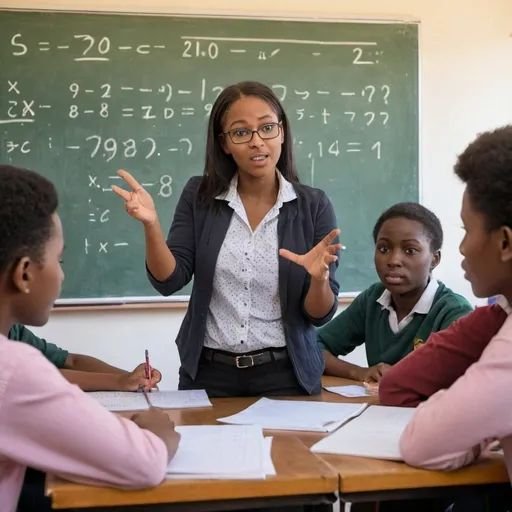
Teachers play a vital role in shaping the future of individuals and society. They do much more than deliver lessons—they inspire curiosity, encourage critical thinking, and help students develop the knowledge and skills needed to succeed in life. From early childhood education to higher learning, teachers influence academic achievement, personal development, and lifelong learning.
In today’s rapidly changing world, the role of teachers continues to evolve as they integrate technology, adapt to diverse learning needs, and prepare students for future challenges.
The Role of Teachers in Learning
Teachers are the foundation of the educational process. They guide students through new concepts, explain difficult topics, and create learning environments where every student has the opportunity to grow.
By using different teaching methods, teachers help learners understand subjects more effectively while encouraging active participation and independent thinking.
Building Strong Foundations
The early years of education are essential for developing literacy, numeracy, communication, and problem-solving skills.

Teachers help students build these foundations by introducing concepts in engaging and age-appropriate ways. A strong educational foundation prepares learners for future academic success and lifelong learning.
Inspiring a Love for Learning
Great teachers encourage students to become curious and motivated learners.
They create engaging lessons, ask thought-provoking questions, and inspire students to explore new ideas beyond the classroom. This enthusiasm for learning often stays with students throughout their lives.
Supporting Personal Development
Education is about more than academic achievement.
Teachers help students develop important life skills such as:
- Communication
- Teamwork
- Leadership
- Responsibility
- Critical thinking
- Creativity
These skills prepare students for future careers and everyday life.
Encouraging Confidence
Positive encouragement from teachers helps students believe in their abilities.
Recognizing achievements, providing constructive feedback, and supporting students during challenges builds confidence and motivates continuous improvement.
Confident students are often more willing to participate, ask questions, and pursue new opportunities.
Creating Inclusive Classrooms
Every student learns differently.
Effective teachers recognize individual learning styles and adapt their teaching methods to meet diverse needs. Inclusive classrooms promote equal learning opportunities regardless of students’ backgrounds, abilities, or experiences.
Respectful and supportive learning environments help all students feel valued.
Integrating Technology into Education
Technology has become an important part of modern education.
Teachers use digital learning platforms, educational software, multimedia resources, and virtual classrooms to make lessons more interactive and accessible.
Technology also supports collaboration, research, and personalized learning experiences when used effectively.
Teaching Critical Thinking
Rather than simply memorizing information, students benefit from learning how to analyze, evaluate, and solve problems.
Teachers encourage critical thinking by presenting real-world situations, promoting discussion, and guiding students to develop evidence-based conclusions.
These skills are valuable in both education and future careers.
Promoting Positive Values
Teachers contribute to character development by encouraging honesty, respect, empathy, responsibility, and cooperation.
By modeling positive behavior, teachers help students develop strong ethical values and become responsible members of society.
Building Relationships with Students
Strong teacher-student relationships support better learning outcomes.
When students feel respected and supported, they are more likely to participate actively, communicate openly, and remain motivated throughout their education.
Trust and encouragement create a positive classroom atmosphere.
The Importance of Professional Development
Education continually evolves as new teaching methods and technologies emerge.
Teachers benefit from ongoing professional development through workshops, certifications, conferences, and training programs. Continuous learning enables educators to improve their teaching practices and better meet students’ changing needs.
Challenges Teachers Face
Teaching is a rewarding profession, but it also comes with challenges.
Managing Diverse Classrooms
Teachers often work with students who have different learning abilities, interests, and educational needs.
Adapting to Technology
Keeping pace with educational technology requires continuous learning and flexibility.
Administrative Responsibilities
Lesson planning, grading, reporting, and classroom management require significant time outside classroom instruction.
Supporting Student Well-Being
Teachers often provide emotional support and guidance while helping students overcome academic and personal challenges.
Balancing Workload
Maintaining high-quality instruction while managing multiple responsibilities can be demanding.
The Future of Teaching
The role of teachers will continue evolving alongside technological advancements.
Future classrooms may include greater use of artificial intelligence, personalized learning platforms, virtual reality, and hybrid education models. However, technology will complement—not replace—the human guidance, mentorship, and encouragement that teachers provide.
Empathy, communication, creativity, and critical thinking will remain essential qualities of effective educators.
Conclusion
Teachers are among the most influential contributors to education and personal development. They provide knowledge, inspire curiosity, build confidence, and prepare students with the academic and life skills needed for future success.
Although educational methods continue to change, the importance of dedicated teachers remains constant. By fostering inclusive learning environments, embracing innovation, and supporting every student’s growth, teachers help shape stronger communities and a brighter future for generations to come.
Frequently Asked Questions (FAQs)
1. Why are teachers important in education?
Teachers guide learning, develop students’ knowledge and skills, encourage critical thinking, and support personal and academic growth.
2. How do teachers influence student success?
They provide instruction, motivation, constructive feedback, emotional support, and a positive learning environment that helps students achieve their goals.
3. What skills do teachers help students develop?
Teachers help students build communication, teamwork, leadership, creativity, critical thinking, responsibility, and problem-solving skills.
4. How has technology changed teaching?
Technology allows teachers to use digital resources, online learning platforms, interactive lessons, and personalized educational tools to improve learning experiences.
5. What challenges do teachers face?
Common challenges include managing diverse classrooms, adapting to new technologies, balancing administrative duties, supporting student well-being, and maintaining an effective workload.
6. Will technology replace teachers?
While technology can enhance education, teachers remain essential for providing guidance, mentorship, emotional support, and personalized instruction that technology alone cannot replace.