


Introduction to Educational Technology
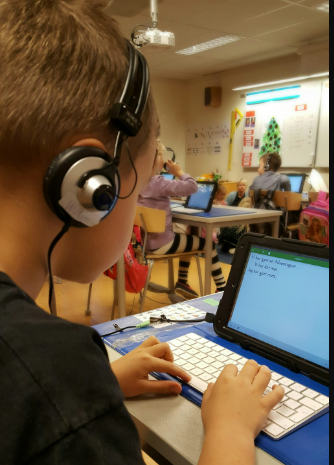
Educational technology is a multifaceted domain that encompasses a wide array of tools, resources, and systems designed to enhance teaching and learning experiences. Its primary purpose is to facilitate the delivery of educational content, improve student engagement, and promote effective learning methodologies across diverse educational settings. As classrooms evolve, the integration of technology has become a pivotal component in fostering an interactive and stimulating learning environment.
The significance of educational technology cannot be overstated, as it plays a crucial role in addressing various challenges faced by educators and learners alike. With advancements in digital tools and internet connectivity, modern classrooms are increasingly reliant on technology to deliver content in innovative ways. This has led to the development of various platforms including learning management systems, virtual classrooms, and collaborative online tools that enable seamless communication and collaboration among students and teachers.
Moreover, educational technology supports personalized learning experiences by catering to the unique needs and preferences of individual students. Through adaptive learning technologies, educators can offer tailored instructional materials that respond to the varied pace and learning styles of their students, thereby promoting inclusivity and equity within the classroom. Additionally, the use of educational technology has been shown to enhance knowledge retention and enable students to acquire skills vital for their future careers.
As we delve deeper into the impact of educational technology on teaching and learning processes, it is essential to appreciate its evolving landscape. The landscape of educational technology is dynamic, shaped by innovations and research aimed at improving pedagogical practices. Understanding these trends provides a foundation for educators to embrace and integrate technology effectively in their curricula, thereby enriching the overall educational experience.
Current Landscape of Digital Classrooms
The integration of technology into educational settings has transformed traditional classrooms into dynamic digital environments. At the heart of this evolution are various tools and platforms that facilitate enhanced learning experiences. Notably, interactive whiteboards have become commonplace, serving not only as teaching aids but also as collaborative tools that encourage student engagement and participation. These boards enable educators to display multimedia content and engage students through interactive lessons, fostering a more immersive learning atmosphere.
More Read
Learning Management Systems (LMS) are another cornerstone of the modern digital classroom. These platforms allow educators to administer, document, track, and report on educational courses and training programs. With an LMS, instructors can easily post course materials, assignments, and grades, while students benefit from access to resources and the ability to track their own progress. The centralized nature of LMS helps streamline communication between educators and students, ultimately enriching the educational experience.
Furthermore, online learning platforms have gained significant traction, particularly in recent years where remote and hybrid learning models have surfaced. Platforms such as Google Classroom and Moodle not only provide access to course content but also facilitate online discussions, group work, and assessments, making collaborative learning feasible regardless of location. These platforms empower both students and teachers to interact asynchronously, thus catering to diverse learning styles and schedules.
In summation, the current state of digital classrooms showcases a robust integration of technology that shapes classroom interactions. The adoption of interactive tools, LMS, and online learning platforms emphasizes a shift towards a more collaborative and engaged educational environment, setting a firm foundation for future advancements in educational technology.
More Read
The Role of Artificial Intelligence in Education
Artificial Intelligence (AI) is swiftly becoming a pivotal element in modern educational environments. Its integration into classrooms is reshaping how educators and students interact with learning materials. One of the most significant benefits of AI in education is personalized learning experiences. Through sophisticated algorithms, AI systems can analyze students’ strengths and weaknesses and subsequently tailor educational content to meet individual needs. This approach not only enhances student engagement but also improves overall learning outcomes.
Another noteworthy application of AI in educational settings is AI-driven tutoring systems. These systems provide real-time assistance and feedback to students, catering to their unique learning paces and styles. For instance, an AI tutor can supplement classroom instruction by offering explanations or guidance on specific topics, thus allowing students to receive help outside of traditional teaching hours. As a result, students experience a more supportive learning environment, which can lead to improved knowledge retention.
Furthermore, AI plays a crucial role in streamlining administrative tasks in educational institutions. AI-driven systems can manage scheduling, grading, and even enrollment processes, thereby reducing the administrative burden on educators. This efficiency allows teachers to dedicate more time to direct instruction and student interaction, thus fostering a more conducive learning atmosphere.
However, the integration of AI in education is not without its challenges. Concerns regarding data privacy, the potential for bias in AI algorithms, and the need for adequate training for educators must be carefully addressed. Balancing the benefits and challenges of AI in educational settings is essential to harness its full potential while ensuring an equitable and effective learning experience for all students.
Augmented and Virtual Reality: Transforming Learning Experiences
Augmented reality (AR) and virtual reality (VR) are increasingly becoming vital tools in educational realms, providing unique avenues for enhancing student engagement and learning efficacy. These technologies allow learners to immerse themselves in interactive environments that elevate traditional educational experiences. By integrating AR and VR, educators can present complex concepts in a more tangible and enjoyable format, thus fostering deeper understanding and retention of knowledge.
In the context of STEM education, AR applications such as anatomy visualizers enable students to explore intricate biological systems in real time. For example, using a smartphone or tablet, learners can point their device at a printed image to visualize a 3D human body, allowing them to manipulate and interact with bodily systems. This hands-on approach transforms abstract diagrams into lifelike representations, catering to diverse learning styles.
More Read
Similarly, VR technology offers simulated environments where students can experience scenarios that would be impossible in a conventional classroom setting. For instance, in historical studies, learners can don VR headsets to virtually walk through ancient cities, gaining first-hand perspectives of historical events and contexts. Such immersive experiences foster a sense of presence and connection, facilitating emotional engagement that enriches the educational process.
Moreover, institutions are exploring gamified learning experiences through AR and VR, promoting collaboration and problem-solving among students. Programs such as “Escape Room” challenges, executed within VR spaces, encourage team dynamics as students must communicate and work together to succeed in problem-solving tasks. By presenting education as a game-like adventure, these models not only captivate students’ interests but also help develop critical skills necessary for future careers.
Collaborative Learning: Technology-Enhanced Group Work
In recent years, the educational landscape has evolved remarkably, particularly with the advent of technology that enhances collaborative learning. This approach to education not only fosters teamwork but also inspires a sense of responsibility among students as they engage in group work. Several tools and platforms have emerged that facilitate this collaborative learning, demonstrating the significant role technology plays in shaping modern educational environments.
Digital platforms such as Google Workspace, Microsoft Teams, and various learning management systems provide students with the necessary tools to work together efficiently, regardless of physical location. These platforms allow for real-time collaboration on projects, where students can share documents, provide feedback, and brainstorm ideas collectively. Moreover, video conferencing tools such as Zoom or Microsoft Teams have become integral, especially since the prevalence of remote learning; they enable seamless communication and interaction among group members, which is vital for productive teamwork.
Pedagogical theories supporting collaboration in digital classrooms emphasize the importance of social learning. Vygotsky’s social constructivism highlights that knowledge is constructed through social interaction, making the shared experiences in collaborative group work essential for deeper understanding. Furthermore, the implementation of project-based learning often ties in well with collaborative strategies, akin to real-world professional scenarios where teamwork is crucial. When students work together, they not only learn from their peers but also develop skills such as communication, critical thinking, and problem-solving, which are paramount in today’s workforce.
As educational technology continues to advance, the integration of collaboration-focused tools will likely expand, enriching the student experience and enhancing learning outcomes. Embracing these tools may allow educators to harness the full potential of collaborative learning, ultimately preparing students to navigate an increasingly interconnected world.
Gamification in Education: Engaging Learners
Gamification in education refers to the integration of game design elements into learning environments with the aim of enhancing student engagement and motivation. By transforming traditional educational practices through interactive game-like elements, educators can create a more stimulating atmosphere conducive to learning. In recent years, educational institutions have increasingly adopted these techniques to help students grasp complex concepts while simultaneously fostering a sense of competition and achievement.
The application of gamification can take various forms, including point systems, badges, leaderboards, and interactive storylines. These elements encourage students to participate actively in their learning experiences, allowing them to progress at their own pace and develop autonomy over their educational journey. For instance, platforms such as Kahoot! and Quizlet introduce quizzes that resemble games, making the assessment process engaging and enjoyable. Furthermore, research suggests that when students are immersed in gamified learning experiences, they are more likely to retain information, as they are emotionally invested in the material.
Several case studies demonstrate the positive outcomes of gamification in education. One prominent example involves the use of a gamified learning management system in a high school setting, where students earned points for completing assignments and engaging in class discussions. This approach resulted in a significant increase in participation and overall performance. Another example can be found in a university course that incorporated role-playing elements, enabling students to tackle real-world challenges in a virtual environment. The results showed enhanced critical thinking skills and improved collaboration among peers.
Ultimately, gamification in education serves as a powerful tool for engaging learners and facilitating deeper learning experiences. By leveraging these innovative strategies, educators can transform their classrooms into dynamic environments that not only captivate students’ interest but also drive academic success.
Data Analytics and Learning Management Systems
In the evolving landscape of education, data analytics has become an invaluable component of modern Learning Management Systems (LMS). These systems are increasingly utilized to track student progress, offering insights into individual learning journeys and overall class performance. By leveraging data analytics, educators can identify patterns and trends that inform their teaching strategies, ultimately enhancing student engagement and learning outcomes.
The integration of data analytics within LMS allows for a more personalized learning experience. For example, by analyzing a student’s performance data, educators can pinpoint areas requiring additional support, ensuring that no learner is left behind. Such data-driven decisions facilitate targeted interventions that cater to each student’s unique needs, fostering an environment conducive to academic success.
Additionally, learning management systems equipped with robust data analytics capabilities enable teachers to gain a comprehensive view of classroom dynamics. By evaluating metrics such as assignment completion rates, participation levels, and assessment results, educators can assess the effectiveness of their instructional methods. This actionable data empowers educators to adapt their approaches accordingly, promoting improved teaching tactics that resonate more effectively with learners.
Furthermore, the significance of real-time feedback cannot be overstated. Data analytics tools within LMS provide immediate insights that help both educators and students track progress in real-time. This immediate feedback loop cultivates a more dynamic learning environment, where students can adjust their study habits and educators can promptly refine their pedagogical approaches.
As educational institutions increasingly embrace the power of data analytics in learning management systems, the potential for transformative change in classroom environments becomes apparent. The insights gained through data not only inform instructional methodologies but also enhance the overall educational experience for both educators and students.
Preparing for Tomorrow’s Digital Classrooms
The landscape of education is rapidly evolving, driven by advances in technology that are reshaping the way teachers instruct and students learn. As we look toward the future of digital classrooms, several key trends are emerging that hold the potential to significantly enhance educational experiences. One of the foremost trends is the implementation of 5G technology, which promises to revolutionize connectivity in educational settings. With ultra-fast internet speeds and low latency, 5G enables seamless access to online resources, cloud-based learning platforms, and multimedia content, making education more interactive and engaging.
In addition to 5G, the integration of Internet of Things (IoT) devices in education is also expected to grow. These devices can facilitate personalized learning experiences by gathering real-time data on student engagement and progress, thus allowing educators to tailor their instructional approaches. Smart classrooms equipped with IoT technology can automate routine tasks, manage resources efficiently, and enhance communication between students and teachers. As these tools become more prevalent, they will undoubtedly influence how information is disseminated and consumed within educational frameworks.
Furthermore, advancements in artificial intelligence (AI) are set to play a crucial role in future digital classrooms. AI can support educators by providing insights on student performance and facilitating administrative tasks, allowing teachers to focus on direct instruction and student interaction. However, to harness the full potential of these technological advancements, it is essential to prioritize comprehensive teacher training. Instructors must be equipped with the necessary skills and knowledge to effectively integrate these technologies into their teaching practices. Ensuring that educators are proficient in using tools powered by 5G, IoT, and AI will not only enhance the learning environment but also prepare students for a future increasingly dominated by technology.
A Project Lead The Way (PLTW) practice test is a vital preparatory tool designed to help students navigate the rigorous End-of-Course (EoC) assessments across STEM fields like engineering, computer science, and biomedical science. Unlike traditional standardized tests that heavily reward rote memorization, PLTW assessments focus on real-world application, asking students to solve complex, inquiry-based problems and apply the engineering design process. Utilizing practice tests allows students to familiarize themselves with the online testing platform, master critical formula sheets, and identify gaps in their understanding before the official exam. Successfully preparing for and passing the official EoC exam not only measures student achievement but can also unlock significant opportunities, such as earning college credit, bolstering resumes, and qualifying for internships.
If you are preparing for your engineering exams, watching a walkthrough like this PLTW Practice Test Exam Review can be incredibly helpful, as it breaks down common question themes, formulas, and step-by-step solutions to build your test-taking confidence.
The Future of Education in a Digital World
The evolution of educational technology stands as a testament to the transformative impact it has on teaching and learning processes. As we reflect on the trends discussed throughout this blog post, it is clear that future classroom environments will be significantly altered by advancements in digital tools and practices. The integration of artificial intelligence, augmented reality, and personalized learning pathways are just a few examples of how educational technology is reshaping the landscape.
Moreover, the necessity for adaptability among educators is more pronounced than ever. Teachers will need to embrace these technological innovations in order to foster an engaging and effective learning atmosphere that caters to diverse student needs. The continuous professional development of educators will play a pivotal role in ensuring successful implementation of new technologies in the classroom. As teachers become adept at leveraging educational technology, they will facilitate enhanced student engagement and improved learning outcomes.
Alongside teachers, students themselves are anticipated to become more active participants in their learning journeys. With increased access to digital resources and interactive content, learners will have the opportunity to take charge of their education through self-directed learning. This shift promotes not simply the acquisition of knowledge, but also the development of critical thinking, creativity, and collaboration skills essential for success in the modern world.
In light of these trends, it is imperative that stakeholders, including educational institutions and policy makers, invest in infrastructure that supports this digital transformation. The collaboration among educators, technology developers, and students will be vital in crafting responsive and inclusive educational systems. Ultimately, the future of education in a digital world holds immense potential, paving the way for enriched learning experiences that will undoubtedly shape the next generation of learners.