


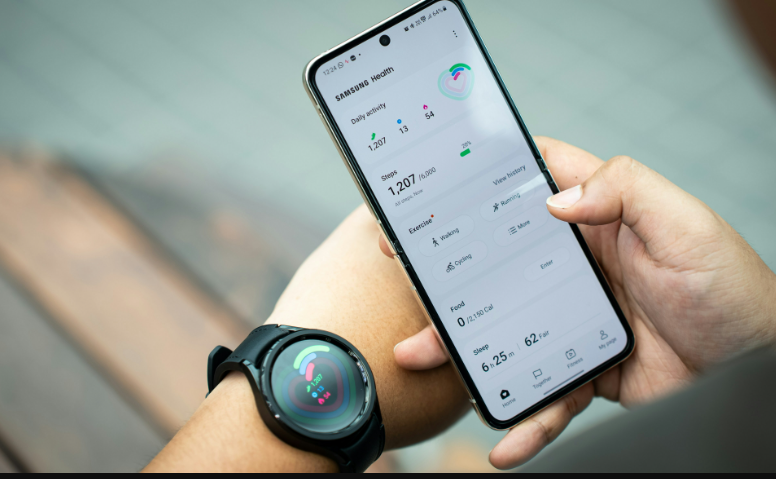
Introduction to Smart Fitness Tracking Devices
Smart fitness tracking devices have become an integral part of the health and fitness landscape, providing users with real-time data about their physical activities and general health. These sophisticated gadgets are designed to monitor various health metrics, such as heart rate, calories burned, sleep patterns, and even stress levels. By seamlessly integrating technology into everyday life, fitness trackers enable individuals to take proactive steps towards better health and overall well-being.
At the core of these devices is their advanced sensor technology, which collects data continuously throughout the day. Most smart fitness trackers are equipped with accelerometers and heart rate sensors that facilitate precise monitoring of physical activities. The information gathered is then transmitted to connected smartphones or computers, where users can easily analyze their health metrics through dedicated applications. This connectivity enhances user engagement by offering personalized insights and tailored recommendations based on unique fitness profiles.
The popularity of smart fitness tracking devices has surged in recent years, attributed to the increasing awareness of the importance of maintaining a healthy lifestyle. As consumers seek innovative solutions to track their health progress, the demand for wearables has grown significantly. This trend reflects a broader movement towards preventive healthcare, where individuals actively engage in monitoring their health metrics to avert potential health issues.
Smart fitness tracking devices not only empower users to set and achieve fitness goals but also create a community for shared motivation. Through social features embedded in many devices, users can connect with friends and family, fostering a sense of accountability. As the market continues to evolve, the development of new features and capabilities in these devices holds promising implications for enhancing health performance monitoring.
Key Features of Smart Fitness Trackers
Smart fitness trackers have transformed the way individuals monitor their health and wellness through an array of sophisticated features designed to provide comprehensive insight into physical activity and overall wellness. One of the primary features is heart rate monitoring. This feature allows users to continuously track their heart rate in real time, offering valuable data on cardiovascular health. With accurate readings, individuals can adjust their exercise intensity to optimize fat burning and enhance overall fitness levels.

Another essential functionality is step counting. Smart fitness trackers utilize accelerometers to provide precise step counts throughout the day. This feature encourages users to remain active, set daily goals, and achieve a more active lifestyle. Often, these devices also include reminders to promote movement, helping combat sedentary behaviors that can impact health adversely.
Calorie tracking is yet another key feature offered by many smart fitness trackers. By monitoring the number of calories burned during various activities, users can gain a clearer understanding of their energy expenditure. This information is particularly beneficial for those aiming to lose weight, as it allows for better management of caloric intake in conjunction with activity levels.
Sleep analysis has gained prominence as an integral feature in smart fitness devices. These trackers assess sleep patterns, duration, and quality, helping users to recognize factors contributing to restorative rest. By understanding their sleep behavior, individuals can make informed changes to improve their sleep hygiene and overall health.
Finally, integration with mobile apps enhances the user experience. Many trackers sync with mobile applications to offer a centralized dashboard for viewing progress, analyzing trends, and receiving personalized workout plans. This connectivity ensures that users can monitor their health data seamlessly and stay motivated in their fitness journeys.
Types of Smart Fitness Trackers
Smart fitness trackers have revolutionized the way individuals monitor their health and performance. These devices can be broadly categorized into several types, each with distinct functionalities tailored for various fitness needs.
Wristbands are among the most common forms of smart fitness trackers. They are designed for convenience and practicality, often incorporating basic monitoring features such as step counting, heart rate tracking, and sleep analysis. Their discreet design enables users to wear them throughout the day without disrupting their daily activities.
Smartwatches, on the other hand, extend the capabilities of wristbands by integrating advanced technologies and applications. These devices not only track fitness metrics but also offer features like GPS navigation, music playback, and notifications from smartphones. Many smartwatches support various sports modes, catering to a wider audience with diverse athletic interests.
Another category includes chest straps, which are primarily focused on heart rate monitoring. These devices provide more accurate readings than wrist-based trackers, making them ideal for serious athletes or individuals looking to optimize their workout intensity. Chest straps often sync with compatible apps or smart devices, allowing users to analyze their heart rate data in real time.
Finally, there are specialized smart fitness trackers designed for particular sports odds API or activities, such as swimming, cycling, or running. These devices often come equipped with unique features tailored to enhance performance in a specific domain, like swim stroke detection or cycling cadence monitoring. Such specialized trackers provide athletes with detailed insights and metrics pertinent to their sport.
Overall, the variety of smart fitness trackers available today caters to different preferences and fitness goals, empowering users to monitor their health and enhance their performance through tailored technology.
Benefits of Using Smart Fitness Tracking Devices
Smart fitness tracking devices offer numerous advantages for individuals seeking to enhance their health performance through technology. One of the primary benefits is the enhanced motivation that stems from goal setting. These devices allow users to establish personal fitness goals, whether it be losing weight, increasing stamina, or completing a certain number of steps daily. The visibility of progress towards these objectives serves to motivate individuals to stay active and adhere to their fitness plans. By providing users with the ability to track their achievements, smart fitness trackers create a sense of accountability and purpose.
In addition to motivation, smart fitness trackers provide real-time data that is crucial for performance improvement. With features that monitor heart rate, pace, distance, and calories burned, these devices deliver insights that help users identify their strengths and weaknesses. This data can be essential in adjusting exercise routines for better results. For example, if a user notices that their heart rate is consistently high during workouts, they may choose to modify their intensity or incorporate rest days to prevent burnout. This tailored approach ensures that users can optimize their training sessions effectively.
Furthermore, these devices play a vital role in promoting overall wellness. Many smart fitness trackers are equipped with features that monitor sleep patterns, stress levels, and even hydration. By understanding these aspects of health, users can make informed decisions that contribute to their overall well-being. This holistic view encourages individuals not just to focus on fitness, but also on mental health and recovery, leading to a balanced lifestyle. In essence, the integration of health monitoring into daily life through smart fitness tracking devices provides a comprehensive toolkit for individuals dedicated to their health and fitness journey.
Popular Smart Fitness Tracking Devices in 2023
As we step into 2023, the landscape of smart fitness tracking devices has evolved significantly, with numerous options available to assist health enthusiasts in monitoring their performance effectively. Among these, four devices stand out for their features, user experience, price points, and overall customer satisfaction.
The first device worth mentioning is the Apple Watch Series 8. Renowned for its sleek design and extensive health features, this smartwatch integrates a heart rate monitor, sleep tracking, and activity rings to motivate users. The device seamlessly connects with the iOS ecosystem, providing users with comprehensive health data at their fingertips. Priced at approximately $399, it remains a premium option but is often praised for its reliability and functionality.
Next, the Fitbit Charge 5 has made a significant impact on fitness tracking. This fitness band offers a user-friendly interface, built-in GPS, and stress management tools, providing an all-around experience for casual and serious athletes alike. Retailing at about $179.95, it offers good value for money and comes highly recommended, especially for those prioritizing fitness over apps.
Another notable mention is the Garmin Forerunner 255, which is popular among runners and triathletes. With advanced metrics such as VO2 max estimation and training readiness scores, it supports serious training regimens. Priced around $349.99, users commend its durable build and accurate tracking features.
Lastly, the Xiaomi Mi Band 7 serves as an affordable entry point for those new to fitness tracking. At approximately $49.99, it covers basic metrics like step counting, sleep tracking, and heart rate monitoring. Customers appreciate its long battery life and ease of use, making it an excellent choice for budget-conscious consumers.
In a comparative review of these devices, users can find a balance between features and price, allowing individuals to select a tracker that best suits their personal fitness goals. Each of these devices showcases advancements in technology and serves as an essential tool for effective health performance monitoring in 2023.
How to Choose the Right Fitness Tracker
Choosing the right fitness tracker requires careful consideration of various factors that align with your personal health goals and lifestyle preferences. One of the first steps is to assess your fitness level and the activities you engage in regularly. For instance, if you are a runner, look for features like GPS tracking and heart rate monitoring that can provide valuable insights into your performance.
Additionally, it is important to reflect on the key features that are most beneficial to you. Some fitness trackers offer advanced capabilities such as sleep tracking, calorie counting, and integration with fitness apps, while others focus on basic step counting and activity logging. Identifying which features are essential for your health monitoring will aid in narrowing down your options.
Budget is another critical aspect to consider when selecting a fitness tracker. Prices can vary significantly based on brand and features; therefore, it is essential to establish a realistic budget that meets your needs without compromising quality. Some of the more established brands tend to provide durability and reliability, which is often reflected in their pricing.
Compatibility with other devices is also worth noting. Many fitness trackers pair with smartphones, allowing you to track your progress through dedicated applications. Ensuring compatibility with your current devices can enhance the overall user experience and ensure that all your data is easily accessible.
Lastly, consider the reputation of the fitness tracker brand. Customer reviews and ratings can provide insights into the reliability and functionality of the device, making it easier to make an informed decision. Researching various brands and comparing their offerings can help you choose a fitness tracker that will support your health performance monitoring effectively.
Integrating Fitness Trackers with Health Apps
The advent of smart fitness tracking devices has fundamentally transformed personal health management. These gadgets not only track various health metrics like steps, heart rate, and calories burned, but they also play a pivotal role when integrated with mobile health applications. This integration enhances user experience by enabling seamless data transfer between the tracker and the associated health app, ensuring that users have instant access to their health performance data.
Data synchronization is crucial in this context, as it allows users to monitor their health trends over time. When fitness trackers sync with health apps, they accumulate a wealth of information that can be analyzed to identify patterns and changes in the user’s health metrics. This long-term tracking feature can lead to better health decisions, as individuals can set personalized fitness goals and make adjustments based on comprehensive data analysis.
Moreover, integrating fitness trackers with health applications facilitates a holistic view of one’s health journey. Many health apps offer user-friendly dashboards that visualize data in an accessible manner. Users can compare daily, weekly, or monthly progress, allowing them to celebrate achievements and address areas that require improvement. Advanced mobile health apps may further incorporate other health-related data, such as sleep habits and dietary intake, providing a well-rounded profile of the user’s lifestyle.
This synergy between fitness trackers and health applications not only motivates users to stay active but also empowers them to take control of their wellness. Ultimately, leveraging integrated systems can drive better adherence to fitness regimens and promote healthy behavior changes over time, optimizing the overall effectiveness of smart fitness tracking devices.
Potential Limitations of Fitness Tracking Devices
While smart fitness tracking devices offer a wide range of benefits for health performance monitoring, it is important to recognize their limitations and criticisms. One significant concern is the accuracy of the data these devices provide. Numerous studies have indicated that many fitness trackers struggle with precise measurement of key metrics such as heart rate, calorie expenditure, and distance traveled. Variability can arise due to factors like the positioning of the device on the body, skin temperature, and individual physiological differences, suggesting that users should interpret the data as estimates rather than exact figures.
Another major limitation revolves around data privacy issues. As these fitness devices collect personal health information, concerns regarding how this data is stored, shared, and managed become prevalent. Users may inadvertently expose themselves to data breaches or misuse by third-party companies if adequate security measures are not in place. Consequently, it is crucial for users to familiarize themselves with the privacy policies of the devices they choose and consider opting for settings that enhance data protection.
Furthermore, the potential for over-reliance on technology is a noteworthy concern. Users may become overly dependent on fitness trackers to dictate their exercise routines, leading to an unhealthy fixation on numerical outputs rather than listening to their bodies. This can foster anxiety about performance metrics, detracting from the overall enjoyment and benefits of physical activity. Striking a balance between utilizing these devices for guidance and maintaining intrinsic motivation for fitness is essential.
In light of these considerations, potential users can make informed decisions about integrating fitness trackers into their health routines. Awareness of these limitations can promote a more balanced approach to using technology in health and fitness endeavors.
Future Trends in Fitness Tracking Technology
The evolution of fitness tracking technology is poised to enter an exciting phase, driven primarily by advancements in artificial intelligence (AI) and sensor technologies. These innovative developments are set to transform how users interact with fitness devices and perceive their own health metrics.
One of the most significant anticipated changes involves the integration of AI algorithms into fitness trackers. These smart devices will become increasingly capable of not just collecting data but analyzing it in real time to provide users with actionable insights tailored to their specific health profiles. For instance, AI could facilitate predictive health analytics that help users anticipate potential health issues based on their historical data trends, ultimately promoting proactive health management.
Moreover, improvements in sensor technology are expected to enhance the accuracy and range of biometrics that fitness trackers can measure. Future devices may incorporate more sophisticated sensors capable of monitoring various physiological signals, such as hydration levels, blood oxygen saturation, and even stress responses. This increased data granularity will enable users to gain a more comprehensive understanding of their health and fitness levels, supporting a more informed approach to their well-being.
Personalization will also be a key trend in the future of fitness tracking technology. As wearable devices gather more nuanced information about individual users, they will be able to offer tailored fitness recommendations that adapt based on performance, recovery patterns, and personal goals. This shift toward customized health insights not only empowers users but also creates a more engaging experience, encouraging adherence to fitness routines.
In summary, the future of fitness tracking technology is bright, with significant advancements on the horizon in AI integration, sensor innovations, and personalized health insights. These developments promise to enhance the user experience, inspire healthier behaviors, and ultimately impact the fitness industry in profound ways.