

Introduction to Sustainable Interior Decoration
Sustainable interior decoration is an evolving concept that emphasizes the importance of creating eco-friendly living spaces while being mindful of the environment. As societal awareness of environmental issues continues to grow, the significance of sustainable interior design has gained prominence. This approach not only addresses aesthetic preferences but also incorporates ethical considerations that influence purchasing decisions, material selection, and overall lifestyle choices.
The essence of sustainable interior decoration lies in its ability to foster harmony between human habitats and the natural world. It invites individuals to rethink traditional design practices and make conscious decisions that minimize negative impacts on the environment. In doing so, it encourages the use of environmentally friendly materials, energy-efficient technologies, and sustainable sourcing practices. By integrating these elements, interior spaces can be transformed into healthier environments that benefit both the occupants and the planet.
Embracing sustainable interior decoration offers a multitude of benefits. First, it contributes to the preservation of natural resources through the selection of renewable materials and sustainable production methods. This approach reduces waste and lowers the carbon footprint associated with interior design projects. Second, sustainable interiors promote healthier living conditions by minimizing exposure to harmful chemicals and pollutants often found in conventional materials. This leads to improved air quality and overall well-being for occupants.
Furthermore, sustainable interior design practices often result in long-term cost savings, as energy-efficient solutions reduce utility expenses. As a result, the principles of sustainability in interior decoration not only enrich the aesthetic appeal of a home but also align with broader goals for a more eco-conscious society.
Understanding Eco-Friendly Materials
In the pursuit of sustainable interior decoration, it is crucial to understand the variety of eco-friendly materials available. These materials not only contribute to an environmentally conscious lifestyle but also enhance the aesthetics and comfort of living spaces. The primary categories of eco-friendly materials include renewable resources, recycled materials, and non-toxic finishes.

Renewable resources, such as bamboo, cork, and reclaimed wood, serve as excellent options for sustainable decoration. Bamboo is particularly popular due to its rapid growth rate and ability to regenerate without the need for replanting. It can be utilized in furniture, flooring, and decorative elements, providing durability alongside a minimal environmental impact. Similarly, cork, harvested from the bark of cork oak trees, is both sustainable and versatile, offering benefits in insulation and flooring.
Recycled materials are another cornerstone of eco-friendly interior decoration. Items such as recycled glass, metal, and plastic can be transformed into stunning decor and furniture, helping to minimize waste in landfills. Recycled glass can be used in countertops or decorative tiles, while reclaimed metal finds its place in lighting fixtures and furniture accents. Utilizing these materials not only reduces the demand for new resource extraction but also supports industries focused on sustainability.
Non-toxic finishes are essential components of eco-friendly interiors, as they promote healthier indoor air quality. Paints, adhesives, and sealants that are free from volatile organic compounds (VOCs) include natural alternatives like milk paint or linseed oil. These finishes contribute to the overall health of the home’s inhabitants while ensuring that the environment is not negatively impacted by harmful chemicals.
Opting for eco-friendly materials provides the dual advantage of reducing ecological footprints and creating healthier living spaces. By embracing renewable, recycled, and non-toxic materials, homeowners can contribute to a more sustainable future while enjoying the aesthetic and functional benefits of their choices.
Energy-Efficient Lighting Solutions
Lighting plays a crucial role in any interior space, significantly impacting both mood and energy consumption. As the push for more eco-friendly living intensifies, it is essential to consider sustainable lighting options that not only illuminate spaces effectively but also minimize energy usage. Transitioning to energy-efficient lighting solutions is a practical step towards achieving an environmentally conscious lifestyle.
One of the foremost options in energy-efficient lighting is the use of LED lights. These bulbs consume significantly less energy compared to traditional incandescent lamps, offering up to 80% energy savings. Moreover, LEDs have a longer lifespan, which translates to less frequent replacements and reduced waste. Their versatility allows them to be used in various forms, including fixtures, recessed lights, and even decorative options, making them ideal for sustainable interior decoration.
In addition to using LED lights, maximizing natural lighting can greatly enhance energy efficiency. Positioning mirrors strategically and utilizing light-colored window treatments can help reflect sunlight and distribute it evenly throughout a room, reducing the need for artificial lighting during daylight hours. Furthermore, incorporating skylights or larger windows can invite more natural light into interior spaces, contributing to a brighter and more inviting atmosphere.
Smart home technology also plays a significant role in promoting energy-efficient lighting. Smart bulbs and automated systems allow users to control lighting based on occupancy and time of day. These technologies enable automatic dimming when natural light is sufficient, thus minimizing unnecessary energy consumption. By integrating smart technology with traditional energy-efficient lighting, homeowners can create a well-lit yet eco-conscious environment.
Overall, the selection of sustainable lighting solutions, such as LED bulbs, the embrace of natural light, and the use of smart technology, can significantly reduce energy consumption in interior spaces while creating an aesthetically pleasing atmosphere. By adopting these practices, individuals can pursue a lifestyle that harmonizes comfort with environmental responsibility.
Incorporating Plants into Interior Design
In recent years, the trend of integrating plants into interior design has been gaining traction as a sustainable decoration concept. Not only do plants enhance the aesthetic appeal of a space, but they also contribute positively to the health and well-being of its occupants. Indoor plants can transform an environment by adding color, texture, and life. They serve as natural air purifiers, improving indoor air quality by filtering out toxins and producing oxygen, which can lead to a noticeable improvement in mood and productivity.
When incorporating plants into interior spaces, it’s essential to consider various factors that contribute to effective plant integration. Selecting the right plants for specific environments is crucial; for example, low-light plants such as pothos and snake plants are ideal for darker rooms, while cacti and succulents thrive in bright, sunny areas. Understanding the unique requirements of each plant type will help ensure their longevity and sustainability in your home.
Maintenance is another critical aspect of plant care that supports their integration into sustainable interior design. Regular watering, appropriate light exposure, and occasional feeding can keep your indoor plants healthy. Moreover, opting for organic fertilizers and pest control options will make your plant maintenance routines eco-friendly. Additionally, grouping plants according to their environmental needs can simplify care and maximize their visual impact.
In summary, incorporating plants into interior design offers numerous benefits, including enhanced aesthetics, improved air quality, and emotional well-being. By choosing the right plants and ensuring their proper maintenance, you can create a vibrant, healthy, and sustainable living space that reflects your commitment to eco-friendly practices.
Furniture Choices for Sustainability
When considering sustainable interior decoration, the choice of furniture plays a pivotal role in creating an eco-friendly living space. Sustainable furniture options often include pieces crafted from reclaimed wood, which offers a stylish and environmentally responsible alternative to traditional materials. Reclaimed wood furniture helps reduce waste by repurposing existing resources, minimizing the environmental impact associated with harvesting new timber.
In addition to reclaimed materials, sustainable furniture can be made from certified wood sources, such as those recognized by the Forest Stewardship Council (FSC). Utilizing wood from sustainable forests ensures responsible harvesting practices are implemented, fostering eco-conscious forestry management. Moreover, it is essential to consider furniture made from other sustainable materials like bamboo, cork, or recycled metal, all of which boast strong durability while being renewable and eco-friendly.
Second-hand furniture represents another meaningful choice in the quest for sustainable living. Sourcing pre-owned items not only reduces the demand for new production but also allows for character-rich pieces to adorn modern interiors. Thrift stores, garage sales, and online marketplaces often carry unique finds that contribute to a more personalized and less wasteful environment. Furthermore, engaging in upcycling can transform seemingly outdated furniture into innovative designs, rejuvenating items while diverting them from landfills.
Ultimately, choosing sustainable furniture is not just about the materials but also about the longevity and versatility of each piece. Investing in durable, timeless designs ensures that furniture can withstand the test of time, reducing the frequency of replacements and, consequently, environmental strain. By embracing sustainable choices for furniture, individuals can foster an eco-friendly interior that harmoniously combines style, function, and environmental stewardship.
Color Palettes Inspired by Nature
Choosing color palettes that reflect the natural world is a cornerstone of sustainable interior decoration. This approach not only enhances the aesthetic appeal of a space but also contributes to a calming environment. Nature offers a rich array of colors, from the soft greens of foliage to the earthy tones of soil, that can evoke feelings of serenity and connection to the outdoors.
The psychological impact of colors is profound; for instance, greens are associated with tranquility and renewal, while blues can instill a sense of peace. Incorporating these colors into your decor can foster a nurturing atmosphere that promotes well-being. Consider selecting hues that mimic landscapes, such as ocean blues, sky grays, and the rich browns and creams seen in bark and stone. Such choices help create a harmonious and cohesive look.
In addition to color selection, opting for eco-friendly paint options is crucial to maintaining a sustainable home. Many traditional paints can emit volatile organic compounds (VOCs) which may harm indoor air quality. Fortunately, there are numerous brands offering zero-VOC or low-VOC paints that retain vibrant colors without compromising health. Beyond paint, consider natural materials such as clay or chalk finishes that align with the eco-friendly ethos while providing unique textures and aesthetics.
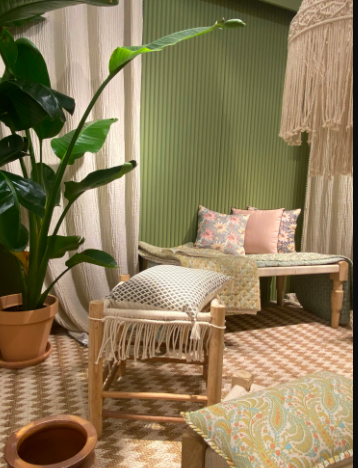
To enhance the calming ambiance of a space, create a cohesive look by accentuating your chosen color palette with natural elements. Incorporating organic textiles, such as cotton or linen, in colors that complement your wall palette can solidify the natural theme. Additionally, the use of plants and natural wood finishes can further harmonize the color scheme with the elements of nature, enriching the overall atmosphere of your home.
Water Conservation in Interior Design
Water conservation is an essential aspect of sustainable interior decoration, focusing on not only the ecological benefits but also creating functional and aesthetically pleasing environments. Designing spaces with water efficiency in mind can significantly reduce overall water consumption and promote responsible use of this precious resource.
One of the most practical ways to promote water conservation in interior design is by selecting low-flow fixtures. These fixtures include faucets, showerheads, and toilets that are engineered to use considerably less water without compromising performance. By integrating these elements into both bathrooms and kitchens, homeowners can realize substantial water savings over time.
In addition to plumbing fixtures, incorporating drought-resistant landscapes into interior garden spaces can play a pivotal role in water conservation. Choosing native plants that require minimal irrigation not only reduces water use but also enhances local biodiversity. Placing these plants strategically within the home’s environment creates a sustainable and visually appealing atmosphere.
Smart choices in bathroom and kitchen designs can further enhance water efficiency. For example, considering the layout to facilitate easy access to water sources can minimize waste. Also, utilizing appliances that are Energy Star-rated ensures high efficiency, reducing water and energy consumption simultaneously.
Furthermore, water reclamation systems can be integrated into interior designs, allowing for the reuse of greywater from sinks, showers, and laundry. These systems can be designed to seamlessly blend with the home’s aesthetics while contributing to overall water-saving efforts.
By being mindful of water conservation techniques in interior design, individuals can create sustainable environments that reflect their commitment to eco-friendly living and the responsible use of resources.
Emphasizing Minimalism and Functionality
The principles of minimalism and functionality are increasingly recognized as essential approaches to sustainable interior decoration. Minimalism emphasizes the removal of excess, encouraging individuals to declutter their spaces and focus on essential items that truly serve a purpose. By adopting this approach, one not only enhances the aesthetic appeal of a home but also contributes to environmental sustainability.
Decluttering is a foundational aspect of minimalism. It involves assessing possessions and retaining only those items that are useful or hold significant meaning. This process not only reduces the physical footprint of goods in a living space but also minimizes the resources consumed in maintaining and replacing unnecessary objects. In a world where consumerism often clouds judgment, a minimalist ethos advocates for thoughtful purchasing decisions, favoring quality over quantity, and encouraging individuals to invest in timeless pieces that are made to last.
Functionality goes hand in hand with minimalism, prioritizing design that integrates seamlessly into daily life. Functional spaces are thoughtfully designed to accommodate various activities while maintaining a sense of order and tranquility. Clever storage solutions, such as modular furniture or multi-purpose items, exemplify this principle and help maintain an organized environment. The selection of furniture that serves dual roles—for instance, a coffee table that also offers storage—illustrates how practicality can mesh with aesthetic appeal.
To cultivate a minimalist aesthetic, consider adopting a neutral color palette, which can enhance the feeling of openness and airiness in a room. Incorporate natural materials like wood, stone, or organic textiles, which not only add texture but also resonate with sustainable practices. Overall, embracing minimalism and functionality in interior decoration enables individuals to create spaces that reflect their values while fostering a sustainable lifestyle.
Conclusion and Call to Action
In light of the pressing environmental challenges we face today, adopting sustainable interior decoration concepts can significantly contribute to eco-friendly living. Throughout this post, we have explored various strategies that emphasize the importance of using natural materials, energy-efficient lighting, and sustainable furnishings. These approaches not only minimize our ecological footprint but also enhance the aesthetic appeal and comfort of our living spaces.
One of the key takeaways is the versatility of sustainable materials, which include bamboo, reclaimed wood, and organic textiles. These materials offer unique aesthetic qualities while being environmentally responsible. Additionally, incorporating plants into our interiors adds a touch of nature that purifies the air and increases overall well-being.
Moreover, energy-efficient technologies such as LED lighting and smart home systems can play a pivotal role in reducing energy consumption. These technologies are increasingly accessible and can lead to long-term savings on energy bills, making them an attractive option for homeowners and renters alike.
As the trend towards eco-friendly living continues to grow, it is evident that individuals have the power to make a difference, no matter how small their contributions may seem. By taking steps to incorporate sustainable practices into our interior decoration choices, we not only foster a healthier planet but also inspire others to follow suit.
We invite you to reflect on the insights presented in this blog post and take action in your own life. Start by identifying simple changes that align with sustainable interior decoration concepts, and gradually work towards larger transformations. Each choice we make can lead to a positive impact on our environment. Together, let’s embrace eco-friendly living for a better future.