

Introduction
AI video generation is changing the way creators, marketers, designers, and everyday users produce visual content. Instead of spending hours recording footage, editing clips, adding transitions, and creating effects manually, modern AI video tools can turn simple ideas into engaging videos with much less effort. Among the technologies attracting attention, Seedance 2.0 and Seedance 2.5 represent an interesting progression in AI-powered video creation.
Both versions are designed around the idea of making video production more accessible while giving creators greater control over their visual concepts. Whether someone wants to experiment with cinematic scenes, social media videos, storytelling, product visuals, or creative experiments, understanding the differences between these two generations can help them choose the right workflow.
What Is Seedance 2.0?
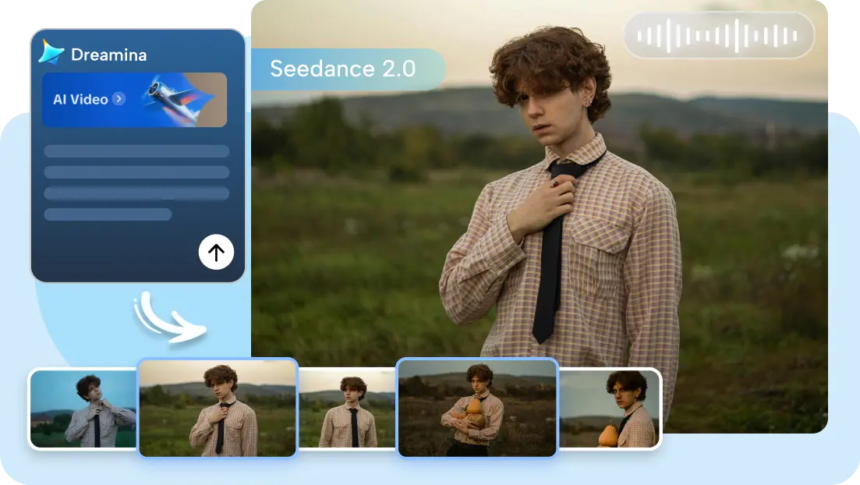
Seedance 2.0 can be understood as an AI video generation technology focused on transforming creative instructions into visual sequences. Rather than requiring users to have advanced filmmaking or editing skills, the technology allows them to describe what they want and let AI handle much of the visual generation process.
This approach can be especially useful for creators who have strong ideas but limited technical resources. A short description can provide the foundation for a scene, while the AI system works toward producing visuals that match the requested concept.
For example, a creator could describe a futuristic city at night, a dramatic landscape, or a character moving through a cinematic environment. AI-based generation makes it possible to explore such concepts without physically filming every scene.
Understanding Seedance 2.5
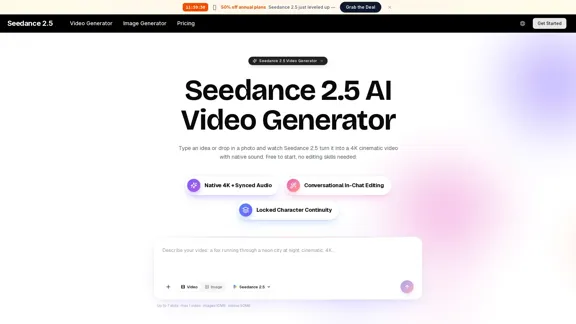
Seedance 2.5 builds on the broader direction of AI video generation by focusing on more advanced creative possibilities and improved generation workflows. As AI models evolve, users generally expect better interpretation of prompts, more convincing visual details, stronger consistency, and greater flexibility.
The development from one generation to another is important because AI video creation is not only about producing attractive individual frames. A useful video model also needs to understand movement, composition, timing, characters, environments, and the relationship between different elements in a scene.
For creators, these improvements can make experimentation faster and help turn rough ideas into more polished visual concepts.
Seedance 2.0 vs Seedance 2.5: What Has Changed?
The easiest way to understand the difference is to view the two versions as stages in the development of AI-assisted video creation.
Seedance 2.0 provides a strong foundation for generating video content from creative instructions. It can be useful for users who want to experiment with AI-generated scenes and discover how text-driven video production works.
Seedance 2.5, meanwhile, represents a newer step in the evolution of this type of technology. Users looking for more refined creative control and improved generation capabilities may find the newer generation more appealing.
The exact experience can depend on the platform, available features, prompts, and the type of content being generated. Therefore, creators should focus not only on version numbers but also on the workflow that best matches their project.
Better Creative Control Through AI
One of the biggest advantages of modern AI video tools is creative flexibility. Traditional video production often requires cameras, actors, locations, lighting equipment, editing software, and considerable time.
AI changes this process by allowing creators to start with an idea rather than physical resources.
A creator can describe a scene, experiment with different visual styles, adjust the concept, and generate alternatives. This makes the creative process more iterative. Instead of committing to one idea immediately, users can explore multiple possibilities before deciding which direction works best.
Why Prompt Writing Matters
The quality of an AI-generated video depends heavily on how clearly the user communicates an idea. A vague prompt may produce an interesting result, but a detailed prompt can provide the model with more useful information.
Creators can describe elements such as:
- Subject and character
- Environment
- Camera perspective
- Lighting
- Mood
- Movement
- Visual style
- Time of day
- Overall atmosphere
For example, instead of simply requesting “a city,” a creator might describe a futuristic city during a rainy evening, viewed from a moving camera, with glowing buildings and cinematic lighting.
This level of detail gives AI a clearer creative direction and can make the generation process more predictable.
Applications for Content Creators
AI video generation can support many different types of content creators. Social media managers can use generated visuals for short-form campaigns, while YouTubers can explore ideas for intros, transitions, storytelling, and promotional material.
Digital marketers can also benefit from rapid visual experimentation. Instead of producing one concept and waiting through a long editing process, teams can explore multiple creative directions before selecting a final idea.
For independent creators, the biggest advantage may be accessibility. Advanced visual concepts that once required a production team can now be explored with comparatively simple AI-assisted workflows.
AI Video for Storytelling
Storytelling is another area where AI video technology can become valuable. A writer may already have characters, locations, and a narrative but lack the resources to turn those ideas into visual scenes.
AI-generated video can help bridge that gap.
Creators can visualize individual moments from a story, experiment with different environments, and develop visual references before producing a larger project. This makes AI useful not only as a final production tool but also as a creative brainstorming partner.
Creating Content Faster
Speed is an important reason why AI video tools are gaining popularity. Traditional video creation can involve planning, filming, editing, rendering, and repeated revisions.
AI-assisted generation can shorten some of these stages.
This does not mean that AI completely replaces human creativity. Instead, it gives creators another way to move from concept to visual output. The human still decides what story to tell, what message to communicate, and which generated result best represents the intended idea.
Choosing Between Seedance 2.0 and Seedance 2.5
Choosing between Seedance 2.0 and Seedance 2.5 ultimately depends on the user’s goals and the features available in their preferred platform.
Someone exploring AI video creation for the first time may want to begin with a straightforward workflow and learn how prompting affects results. More experienced creators may prefer newer capabilities that support more ambitious projects and experimentation.
For those who want a convenient way to explore AI-powered video creation, Dreamina can also be used to discover and experiment with Seedance 2.0 while testing different prompts, visual styles, scenes, and creative concepts.
Instead of treating one version as universally better, creators should consider factors such as output quality, creative control, workflow compatibility, generation speed, and the type of videos they want to produce.
The Future of AI Video Generation
The development of AI video technology is moving quickly. Future models are likely to focus increasingly on realistic motion, consistent characters, better storytelling, improved scene understanding, and more precise creative control.
This could make AI video generation useful across entertainment, advertising, education, e-commerce, social media, and many other industries.
As the technology develops, the most successful creators may not simply be those who know how to generate videos. They will be the people who know how to combine AI capabilities with strong storytelling, creative direction, and human judgment.
Conclusion
Seedance 2.0 and Seedance 2.5 demonstrate how quickly AI video creation is evolving. From turning written ideas into visual scenes to supporting storytelling and marketing workflows, these technologies can make video production more approachable and flexible.
The difference between generations is less about replacing human creativity and more about giving creators better tools to express their ideas. Whether someone is producing social media content, experimenting with cinematic concepts, or simply exploring what AI can create, understanding these technologies can open new creative possibilities.
As AI video generation continues to improve, creators can expect even more opportunities to transform simple concepts into engaging visual experiences while spending less time dealing with traditional production limitations.