Craft beverages have expanded the range of beer styles available at liquor stores. Shoppers can explore established favorites alongside newer craft options from a range of breweries, both local and national. These products also come in various serving formats, giving local residents flexibility for gatherings or individual purchases. Here is how craft beverages have influenced liquor store offerings:
Introduce Specialty Beer Formats
Keg beer expands craft beverage offerings beyond individual bottles and packaged cases. For a liquor store, carrying keg beer creates another way to supply customers seeking draft beverages. Campers organizing group gatherings or vacationers hosting private events have different serving needs than individuals buying beer for home consumption. Contacting the retailer provides information about keg availability and ordering arrangements.
Packaged beer and keg beer serve different purposes, depending on the gathering and serving setup. Individual bottles provide separate servings, while draft beer requires appropriate dispensing arrangements. Event organizers should also plan for the number of guests and the intended serving method to determine which beverage to get. The following details help distinguish available beer formats:
- Packaged beer: Provides individual bottles or cases for personal consumption and group gatherings.
- Keg availability: Offers a draft beer option for events requiring keg service.
- Ordering information: Helps customers establish availability and arrangements before purchasing.
Expand Craft Beer Selections
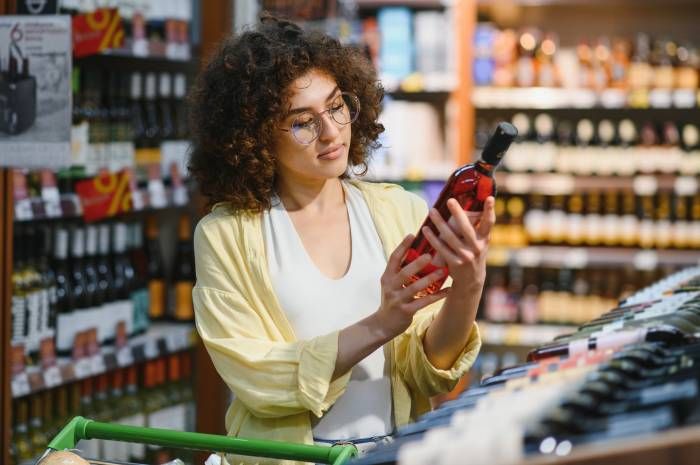
A wide selection of beers gives shoppers the chance to explore different breweries and discover their takes on familiar styles. Comparing beers from different breweries also helps shoppers notice how brewing methods and ingredients can shape the final product. A familiar beer style also provides a reference point for exploring another producer’s interpretation.
Mix-and-match craft selections allow shoppers to explore individual varieties from different breweries. Someone familiar with pale ales could compare offerings from several producers rather than choosing a single brand. Beer caves featuring ice-cold case beer also provide a separate option for shoppers seeking chilled packaged selections.

Craft beer selections also give shoppers a chance to explore brewing styles that they may not find from larger, nationally distributed brands. The way a brewery uses hops, malt, and fermentation can all influence the flavor and overall character of its beer. By reading product descriptions, shoppers can distinguish styles when browsing unfamiliar labels.
Source Distinctive Craft Products
A particular brewery’s beer might not appear in a retailer’s current selection. Specialty sourcing lets shoppers request products that aren’t regularly stocked; providing the brewery name and exact beer title helps staff identify the requested product. Describing the preferred style also helps when the exact variety is unavailable.
Specialty requests introduce another connection between shoppers and craft producers. A host planning a themed gathering might request a specific craft beer that matches the event. Requests based on brewery and style details give retailers clearer information when exploring sourcing options, and contacting the store before visiting also allows shoppers to ask about the status of their requests.
Support Regional Craft Producers
Regional craft beverages influence liquor store offerings by introducing shoppers to local breweries. These products give retailers opportunities to stock beers that reflect regional brewing traditions alongside widely distributed brands. Shoppers can discover unfamiliar flavors and brewing techniques through craft selections from nearby producers. Local residents also gain access to products from breweries in their wider region.
Integrate Craft Event Services
Beverage services for special events are also driven by craft beer selections. Personalized beverage boxes combine beer and other beverages based on the number of guests attending a party or event. Bartending services are also available to serve drinks at weddings and private events.
Within an event’s beverage program, options include bottled beer and keg beer. During service, certified bartenders take drink orders and keep bar areas organized. Event packages also include items such as cups, garnishes, mixers, and napkins for proper serving.
Event packages can also include craft beverages alongside wine and spirits. They have a gathering where visitors can sample regional craft beers, as well as wine. Package arrangements are to be based on the number of attendees at the event, and the drinks chosen dictate the service.
Explore Craft Offerings at a Liquor Store
Craft beer selections also provide an opportunity to learn about brewing traditions through product labels and brewery information. Comparing regional producers introduces shoppers to differences in ingredients and brewing styles. A tasting record with brewery names and beer styles helps track personal preferences over time. Visit a local liquor store to explore its craft selections and ask staff about unfamiliar breweries or specialty products.