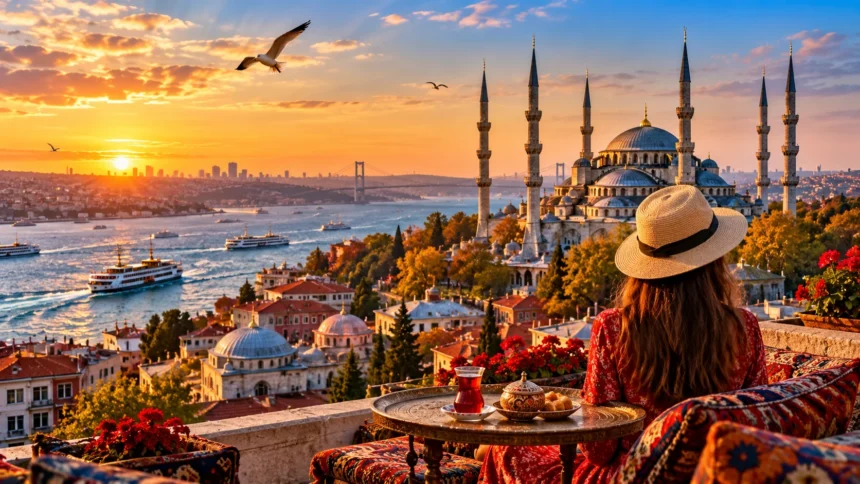
Istanbul is one of the most fascinating travel destinations in the world, known for its historic landmarks, magnificent mosques, lively markets, and beautiful Bosphorus views. Located between Europe and Asia, this remarkable Turkish city attracts visitors throughout the year with its rich culture, delicious cuisine, and impressive architecture. However, choosing the best time to visit Istanbul can make a significant difference in your travel experience.
Istanbul experiences four distinct seasons, each offering different weather conditions, sightseeing opportunities, and travel costs. Spring brings colorful tulips and pleasant temperatures, while summer offers long sunny days and lively waterfront activities. Autumn is ideal for comfortable sightseeing, whereas winter provides quieter attractions and opportunities for more affordable accommodation.
Understanding Istanbul’s seasonal weather, tourist crowds, and major events helps travelers plan a comfortable and enjoyable holiday. Whether you want to explore Hagia Sophia, cruise along the Bosphorus, or discover traditional neighborhoods, choosing the right month is essential. This guide explains the best time to visit Istanbul, seasonal temperatures, popular attractions, and practical travel tips.
When Is the Best Time to Visit Istanbul?
The best time to visit Istanbul is generally during spring, from April to May, and autumn, from September to October. These months offer relatively mild temperatures, comfortable sightseeing conditions, and beautiful outdoor scenery. Visitors can explore the city’s historic neighborhoods, famous landmarks, and waterfront attractions without experiencing the most intense summer heat.
Spring is particularly appealing because Istanbul’s parks and gardens become filled with colorful flowers. April is famous for tulip displays, while May provides warmer weather and longer daylight hours. These conditions are excellent for walking tours, photography, outdoor dining, and exploring the city’s many cultural attractions.
September and October are equally attractive for travelers who prefer pleasant temperatures and somewhat smaller crowds. The weather is generally comfortable for visiting monuments, enjoying ferry rides, and exploring traditional markets. Although rainfall becomes more frequent as autumn progresses, the season remains one of the most rewarding periods for discovering Istanbul.
Istanbul Weather Throughout the Year
Istanbul has a transitional climate influenced by the Mediterranean, Black Sea, and surrounding waterways. Summers are generally warm to hot, while winters are cool, damp, and occasionally snowy. Spring and autumn bring changing temperatures, making them particularly suitable for travelers who enjoy exploring cities on foot.
During summer, daytime temperatures frequently reach around 27–30°C, although heatwaves can make conditions considerably hotter. Winter daytime temperatures often range between 8°C and 12°C, with colder nights and occasional freezing conditions. Rainfall occurs throughout the year, but autumn and winter are generally wetter than summer.
Weather conditions can also vary between Istanbul’s coastal neighborhoods and inland districts. Strong winds near the Bosphorus may make temperatures feel cooler than expected. Checking the forecast shortly before departure and packing versatile clothing helps travelers prepare for changing conditions during their visit.
Visiting Istanbul in Spring: March to May
Spring is one of the most beautiful seasons in Istanbul because parks, gardens, and waterfront areas gradually become greener. March can still feel cool and unpredictable, while April and May usually offer more comfortable sightseeing conditions. Daytime temperatures generally increase from around 12°C in March to approximately 22°C in May.
April is especially famous for its colorful tulip displays across the city. Emirgan Park, Gülhane Park, and public spaces around Sultanahmet become popular photography destinations. Visitors can combine flower viewing with exploring historic mosques, museums, palaces, and traditional neighborhoods.
May is an excellent month for Bosphorus cruises, outdoor cafes, and long walking tours. The weather is often warm without becoming excessively hot, although popular attractions may experience growing visitor numbers. Spring travelers should pack light layers, comfortable shoes, and a waterproof jacket for occasional rain.
Visiting Istanbul in Summer: June to August
Summer brings long daylight hours, warm temperatures, and a lively atmosphere throughout Istanbul. June is often relatively comfortable, while July and August tend to be the hottest months. Daytime temperatures commonly reach the upper twenties, with occasional periods of higher heat and humidity.
The summer season is popular for Bosphorus cruises, waterfront dining, outdoor events, and visiting the Princes’ Islands. Many travelers enjoy spending evenings along the coast when temperatures become more comfortable. Sunset views from Galata Bridge and other waterfront locations can be particularly memorable during clear summer weather.
However, summer is also a busy tourism period, especially around major historic landmarks. Accommodation prices may increase, and queues can become longer at popular attractions. Visitors should plan outdoor sightseeing earlier in the day, stay hydrated, and allow breaks during particularly hot afternoons.
Visiting Istanbul in Autumn: September to November
Autumn is an excellent time to explore Istanbul because temperatures gradually become cooler after summer. September often remains pleasantly warm, while October provides comfortable conditions for extended sightseeing. November brings cooler days, shorter daylight hours, and a greater likelihood of rainfall.
September is particularly attractive for Bosphorus excursions, waterfront walks, and visiting historic neighborhoods. October offers beautiful seasonal light and comfortable temperatures for exploring Sultanahmet, Beyoğlu, and Kadıköy. Many travelers appreciate the balance between pleasant weather and a somewhat calmer atmosphere than peak summer.
By November, Istanbul begins transitioning toward winter, making indoor attractions increasingly appealing. Museums, traditional cafes, covered markets, and historic palaces remain enjoyable despite cooler conditions. Travelers visiting during autumn should carry layers and waterproof clothing, particularly when planning outdoor activities near the waterfront.
Visiting Istanbul in Winter: December to February
Winter offers a quieter and more atmospheric side of Istanbul, with fewer tourists at some major attractions. Daytime temperatures commonly range between 8°C and 12°C, although cold winds can make conditions feel considerably cooler. Rainfall is frequent, and occasional snowfall can transform the city’s famous landmarks.
Historic attractions such as Topkapı Palace, Hagia Sophia, and the Istanbul Archaeological Museums remain popular during winter. Indoor experiences, including museums, traditional Turkish baths, and covered bazaars, are especially appealing when temperatures drop. Visitors can also enjoy warm Turkish tea and seasonal local dishes in traditional cafes.
Winter accommodation prices may be lower than during the busiest tourism periods, although holidays and special events can affect availability. Ferry services and outdoor excursions may be disrupted by severe weather. Packing a warm coat, waterproof footwear, and suitable winter accessories helps make sightseeing more comfortable.
Best Month to Visit Istanbul for Sightseeing
May and September are often the best individual months for sightseeing in Istanbul because they offer an attractive balance of temperature and daylight. Visitors can comfortably explore famous landmarks, historic neighborhoods, and outdoor attractions. Although crowds remain possible, conditions are generally more pleasant than during the hottest summer weeks.
May is especially suitable for travelers who enjoy parks, gardens, and outdoor dining. September offers warm conditions for exploring the Bosphorus and walking through the city’s historic streets. Both months provide opportunities to experience Istanbul’s cultural attractions without relying heavily on indoor activities.
April and October are also excellent alternatives, particularly for visitors comfortable with slightly cooler temperatures. April features spring flowers, while October offers pleasant autumn scenery. The best month ultimately depends on whether you prefer warm sunshine, seasonal landscapes, lower prices, or quieter sightseeing experiences.
Best Time to Visit Istanbul for the Tulip Festival
April is the best month to visit Istanbul for its famous tulip displays. The city’s annual spring flower celebrations transform parks, gardens, and public spaces into colorful attractions. Tulips hold historical importance in Turkish and Ottoman culture, making the seasonal displays both visually impressive and culturally meaningful.
Emirgan Park is one of the most popular locations for experiencing the tulip season. Visitors can walk through landscaped gardens, admire colorful flower arrangements, and enjoy scenic Bosphorus views. Gülhane Park and Sultanahmet Square also offer attractive opportunities for spring photography.
The exact timing of peak flowering changes according to seasonal temperatures and weather conditions. Mid-April is often a promising period, but visitors should not assume blooms will follow the same schedule every year. Weekday mornings may provide a more relaxed experience at popular parks.
Best Time for a Bosphorus Cruise
A Bosphorus cruise is one of Istanbul’s most memorable experiences, offering views of historic palaces, mosques, bridges, and waterfront neighborhoods. Spring and early autumn are particularly attractive for boat excursions because temperatures are generally comfortable. Clear weather also provides excellent opportunities for landscape photography.
May, June, September, and early October often offer pleasant conditions for exploring the waterway. Visitors can admire landmarks such as Dolmabahçe Palace, Ortaköy Mosque, and the Bosphorus bridges. Ferry journeys also provide a practical way to experience the city’s connection between its European and Asian sides.
Weather conditions can change quickly, especially during windy or rainy periods. Even on sunny days, the breeze over the water may feel cooler than expected. Travelers should check local forecasts, choose suitable clothing, and allow flexibility if boat services are affected by unfavorable conditions.
Best Time to Visit Istanbul on a Budget
Travelers seeking a budget-friendly Istanbul holiday may find attractive accommodation prices during parts of winter. January and February are often quieter tourism months, which can create opportunities for lower hotel rates. However, flight prices and accommodation costs still depend on holidays, booking demand, and individual travel dates.
Late autumn and early spring can also provide reasonable value, especially when compared with busy summer periods. November and March may offer fewer crowds at certain attractions, although the weather is less predictable. Travelers comfortable with cooler temperatures can enjoy cultural sightseeing without needing expensive seasonal activities.
Booking accommodation in advance and comparing neighborhoods can help manage travel expenses throughout the year. Public transportation is another practical way to reduce daily costs. Choosing affordable restaurants, exploring historic streets, and visiting public parks can create memorable experiences without requiring an expensive itinerary.
Best Time to Avoid Crowds in Istanbul
Istanbul attracts visitors throughout the year, so avoiding crowds completely is difficult. However, January, February, and parts of November may offer quieter conditions at some tourist attractions. Cooler weather and shorter daylight hours generally reduce demand compared with popular spring and summer travel periods.
Travelers visiting during busier months can still enjoy less crowded experiences by planning sightseeing carefully. Early mornings are often useful for exploring popular historic districts before large tour groups arrive. Weekdays may also be more manageable than weekends at certain museums, markets, and public attractions.
Exploring neighborhoods beyond the main tourist areas offers another way to experience Istanbul more peacefully. Areas such as Kuzguncuk, Balat, and selected parts of the Asian side provide opportunities to discover local architecture and everyday city life. Visiting smaller attractions can add variety to a traditional sightseeing itinerary.
Best Time to Explore Istanbul’s Historic Attractions
Istanbul’s historic landmarks are open to visitors during much of the year, making cultural sightseeing possible in every season. However, spring and autumn generally provide the most comfortable conditions for walking between attractions. Moderate temperatures make it easier to explore large historic districts without excessive summer heat.
Sultanahmet is home to some of the city’s most famous landmarks, including Hagia Sophia, the Blue Mosque, and Topkapı Palace. These attractions can require several hours of sightseeing, particularly when queues are long. Comfortable weather is especially valuable when exploring courtyards, outdoor archaeological areas, and surrounding public spaces.
Winter can also be rewarding for cultural travelers because some attractions may be less crowded. Museums and historic buildings provide enjoyable experiences during rainy or colder days. Visitors should check current opening hours, entry arrangements, and prayer-related access restrictions before planning visits to religious landmarks.
Best Time for Shopping in Istanbul
Shopping is one of Istanbul’s most popular activities, offering everything from traditional handicrafts to contemporary fashion. The Grand Bazaar and Spice Bazaar are famous for their historic atmosphere and wide selection of goods. Because many shopping areas are covered, they can be enjoyed throughout the year.
Spring and autumn are particularly comfortable for exploring shopping streets and outdoor markets. Visitors can browse boutiques, traditional shops, and local stalls without the intense heat of midsummer. Neighborhoods such as Nişantaşı, Kadıköy, and Beyoğlu offer different shopping experiences suited to various interests.
Winter provides an enjoyable opportunity to explore covered bazaars and shopping centers during rainy weather. Travelers should remember that opening hours may change during national and religious holidays. Comparing prices and purchasing from reputable sellers can make shopping more convenient and enjoyable.
Best Time to Visit the Princes’ Islands
The Princes’ Islands are a popular destination for travelers seeking a peaceful escape from Istanbul’s busy city center. Located in the Sea of Marmara, these islands offer historic houses, coastal scenery, and relatively quiet streets. Spring, summer, and early autumn are generally the most appealing periods for visiting.
May, June, and September often provide comfortable weather for walking and enjoying the islands’ outdoor attractions. Büyükada is one of the most visited islands, known for its historic architecture and scenic viewpoints. Visitors can explore peaceful neighborhoods and enjoy views across the surrounding sea.
Summer weekends can become particularly busy because the islands are popular with residents as well as tourists. Visiting on a weekday may provide a calmer atmosphere. Ferry schedules and weather conditions should be checked before departure, especially during autumn and winter when strong winds can affect services.
Best Time to Experience Istanbul’s Food Culture
Istanbul’s food culture is one of its greatest attractions, offering traditional Turkish dishes, street food, desserts, and regional specialties. Visitors can enjoy culinary experiences throughout the year, but different seasons create distinctive dining opportunities. Exploring local restaurants and neighborhood markets is an important part of discovering the city.
Spring and summer are ideal for outdoor dining, waterfront cafes, and enjoying traditional Turkish breakfasts with scenic views. Autumn is particularly attractive for exploring seasonal produce markets and local seafood traditions. Cooler weather also makes warm soups, freshly baked breads, and traditional Turkish tea especially inviting.
Winter provides a cozy atmosphere for visiting established restaurants, bakeries, and traditional cafes. Travelers can enjoy dishes such as lentil soup, kebabs, pide, and regional desserts. Trying food in different neighborhoods offers a broader understanding of Istanbul’s culinary diversity beyond the most heavily visited tourist areas.
What to Pack for Istanbul in Different Seasons
Packing for Istanbul depends heavily on the month of travel because temperatures and rainfall change considerably throughout the year. Spring visitors should bring light layers, comfortable shoes, and a waterproof jacket. Warm afternoons can quickly transition into cooler evenings, especially near the Bosphorus.
Summer travelers generally need lightweight clothing, sunglasses, sun protection, and comfortable walking shoes. Breathable fabrics can improve comfort during humid conditions. Visitors entering mosques should also carry clothing that meets appropriate modest dress requirements, as access rules may differ between religious sites.
Autumn and winter require warmer clothing, particularly during November through February. A waterproof coat, layered outfits, and suitable footwear help prepare for rain and wind. Checking the short-term weather forecast before departure allows travelers to adjust their packing choices rather than relying entirely on seasonal averages.
How Many Days Do You Need in Istanbul?
A three-day Istanbul itinerary can cover several major landmarks, including Sultanahmet, Hagia Sophia, the Blue Mosque, and the Grand Bazaar. Visitors can also enjoy a short Bosphorus experience or explore nearby neighborhoods. However, this schedule may feel busy if attractions are crowded or transportation takes longer than expected.
Four to five days provide a more comfortable introduction to Istanbul. Travelers can explore both the European and Asian sides, visit additional museums, and experience different neighborhoods. This duration also allows more time for enjoying local restaurants and discovering attractions beyond the traditional sightseeing routes.
A week is suitable for visitors who prefer slower travel and want to include destinations such as the Princes’ Islands. Additional days also provide flexibility during unfavorable weather. The ideal trip length depends on personal interests, available budget, and how much time you want to dedicate to cultural exploration.
Important Travel Tips for Visiting Istanbul
Planning transportation in advance can make exploring Istanbul significantly easier. The city has an extensive network of metros, trams, buses, and ferries connecting many popular neighborhoods. Using public transportation can reduce travel expenses and help visitors avoid heavy road traffic during busy periods.
Travelers should also consider their accommodation location carefully. Staying near Sultanahmet provides convenient access to historic landmarks, while areas such as Karaköy and Beyoğlu offer lively dining and entertainment districts. Accommodation near reliable public transport can be especially useful when visiting attractions across both sides of the city.
Before traveling, verify passport validity, visa requirements, local holidays, and attraction opening schedules. Religious and national holidays can influence transportation demand and business operations. Maintaining a flexible itinerary, carrying suitable clothing, and allowing extra travel time can help create a more enjoyable Istanbul holiday.
Conclusion
The best time to visit Istanbul depends on your preferred weather, budget, and sightseeing interests. Spring and autumn generally offer the most comfortable conditions, with April, May, September, and October standing out as excellent travel months. These periods provide opportunities to explore famous landmarks, waterfront neighborhoods, and cultural attractions in pleasant temperatures.
Summer is ideal for travelers who enjoy long sunny days and lively outdoor activities, although crowds and heat can be challenging. Winter offers quieter sightseeing, atmospheric city views, and potentially lower accommodation prices. Every season provides a different perspective on Istanbul’s distinctive combination of history, culture, and modern urban life.
Planning your visit around seasonal weather and personal interests can make the experience more rewarding. Whether you want to admire spring tulips, explore historic palaces, enjoy a Bosphorus cruise, or discover traditional food, Istanbul offers memorable experiences throughout the year. With thoughtful preparation, your journey can be comfortable, enjoyable, and filled with unforgettable discoveries.
Frequently Asked Questions (FAQs)
What is the best month to visit Istanbul?
May and September are among the best months to visit Istanbul because temperatures are generally comfortable for sightseeing. April and October are also excellent choices, offering spring flowers or pleasant autumn weather.
Is Istanbul better in summer or winter?
Summer offers warm weather, longer days, and outdoor activities, while winter provides cooler temperatures and potentially fewer tourists. Spring and autumn are generally better for travelers seeking comfortable sightseeing conditions.
What is the cheapest month to visit Istanbul?
January and February often offer opportunities for lower accommodation prices because tourism demand may be reduced. However, actual travel costs depend on flight availability, holidays, booking dates, and hotel demand.
Does Istanbul get snow in winter?
Yes, Istanbul occasionally experiences snowfall during winter, particularly in January and February. However, snow is not guaranteed every year, and conditions vary across the city depending on weather systems and elevation.
How many days are enough to explore Istanbul?
Four to five days are generally enough to explore major historic attractions, visit traditional markets, enjoy Bosphorus views, and discover different neighborhoods. A longer trip allows additional cultural experiences and relaxed sightseeing.