

Beginner Yoga Poses for Back Pain Relief

admin
By admin
19 Min Read

Introduction to Back Pain and Yoga

Back pain is a prevalent condition that affects millions of individuals worldwide, manifesting in various forms such as chronic pain, acute discomfort, or intermittent episodes. The causes of back pain can range from lifestyle factors, such as poor posture and lack of physical activity, to medical conditions like herniated discs or arthritis. Understanding the underlying causes is crucial in determining effective relief strategies.

Yoga has emerged as a beneficial practice for those experiencing back pain due to its focus on gentle movements, stretching, and strengthening exercises. By incorporating mindful postures and breathing techniques, yoga enables individuals to develop greater flexibility, balance, and strength, which can consequently alleviate discomfort. The integration of physical discipline, mindfulness, and relaxation techniques offers a holistic approach to addressing the complexities of back issues.

It is important for individuals with back pain to approach yoga practice with care and consideration. Gentle movements and restorative postures provide opportunities to engage the body without exacerbating existing pain. Additionally, listening to one’s body during practice is essential; this may mean modifying poses or taking rest breaks as necessary. Striking a balance between challenge and comfort allows for a more beneficial experience while honoring one’s physical limitations. Practitioners should remain attuned to their body’s signals and avoid pushing through pain.

In conclusion, yoga serves as a valuable tool for back pain relief, facilitating movement while promoting awareness and self-care. By understanding the nature of back pain and engaging in mindful yoga practices, individuals can take proactive steps towards enhancing their overall well-being and achieving a more comfortable, pain-free lifestyle.

Understanding the Benefits of Yoga for Back Pain

Yoga is widely recognized as a holistic approach to improve overall well-being, particularly for those experiencing back pain. Through a combination of mindful movement, breath control, and meditation, individuals can derive significant benefits that contribute to pain alleviation.

One of the primary advantages of yoga for back pain relief is enhanced flexibility. Many practitioners find that regular practice allows them to gradually increase their range of motion, thus reducing stiffness in the spine and surrounding muscles. Increased flexibility is crucial for maintaining a healthy back, as it helps prevent injuries and can lead to improved functional mobility in daily activities.

Moreover, yoga promotes strength in both the core and back muscles. Strengthening exercises focus on the abdominal muscles and lower back, which are essential for proper spinal support and alignment. A strong core acts as a stabilizing factor for the back, reducing the likelihood of developing pain due to weak posture or muscle imbalances.

In addition to physical benefits, yoga significantly contributes to improved posture. Many individuals suffering from back pain often exhibit poor posture, which exacerbates tension and discomfort. Yoga teaches practitioners to be mindful of their body alignment and encourages the adoption of a more upright posture, greatly reducing strain on the spine.

Furthermore, the practice of yoga is beneficial for mental health. Incorporating breathing techniques and meditation can lead to a decrease in stress levels and promote relaxation. High stress often leads to muscle tension, which can trigger or worsen back pain. By fostering relaxation and stress management, yoga aids in creating a sense of overall well-being that can contribute to pain relief.

Safety Precautions Before Practicing Yoga

Before engaging in yoga, especially for those experiencing back pain, it is crucial to prioritize safety to prevent injury and ensure a beneficial experience. One of the most important steps is to consult a healthcare provider, particularly if you have a pre-existing condition or have recently experienced injury. A healthcare professional can provide personalized advice and may recommend specific yoga poses or modifications tailored to your needs.

Additionally, modifying poses is essential for beginners or those with back pain. Understanding one’s body limits is key to a safe practice. Yoga should not be painful; if any pose causes discomfort, it is advised to alter the position, use props, or skip the pose entirely. There are many variations of yoga postures designed to accommodate different body types and abilities. This adaptability makes yoga an inclusive form of exercise, allowing individuals with various levels of flexibility and strength to participate safely.

Moreover, warming up before commencing a yoga practice is imperative. Gentle stretches and warm-up exercises can prepare the body, reducing the risk of strains or excessive tension in the muscles, especially those in the back. A proper warm-up enhances blood circulation and flexibility, enabling a more effective and enjoyable practice. Incorporating breathing exercises also plays a significant role; these not only help in calming the mind but also prepare the body for the movements ahead.

In summary, taking the time to consult with a healthcare provider, modify poses as necessary, and warm up correctly can significantly enhance safety and effectiveness when practicing yoga for back pain relief. Engaging in these precautions ensures a positive, enriching yoga experience.

Essential Props for Yoga Beginners

For those new to yoga, especially individuals seeking relief from back pain, incorporating specific props can significantly enhance the practice. These tools not only provide support but also facilitate the development of proper alignment, making the yoga experience more comfortable and effective.

Yoga blocks are among the most essential props. They are versatile tools that come in various sizes and materials, designed to bring the ground closer to the practitioner. This is particularly beneficial for beginners who may struggle with reaching their hands to the mat in certain poses. For instance, in forward bends, using blocks can help maintain proper form and alleviate strain on the lower back by ensuring that the spine remains elongated.

Another valuable prop is the yoga strap, which serves as an extension of the arms. It is particularly useful for those who may lack flexibility, allowing practitioners to reach their feet or hold postures with greater ease. The strap can be employed in various poses such as seated forward bends or stretches for the hamstrings, which can be especially beneficial for individuals experiencing back discomfort.

Additionally, a yoga blanket is an excellent accessory that offers cushioning and warmth, providing further support in seated postures and when lying down. It can be rolled or folded to ease pressure on the back and knees during practice. Beginners might also find it helpful to use a blanket in restorative poses, where relaxation is the primary focus, as it encourages a deeper sense of comfort and stability.

Utilizing these props not only enhances the overall yoga experience for beginners but also fosters a safer practice, allowing for exploration and personal growth in one’s yoga journey.

Three Key Yoga Poses for Back Pain Relief

Yoga can be an effective approach to alleviate back pain through gentle stretching, strengthening muscles, and improving posture. Here are three essential yoga poses that cater specifically to individuals seeking back pain relief.

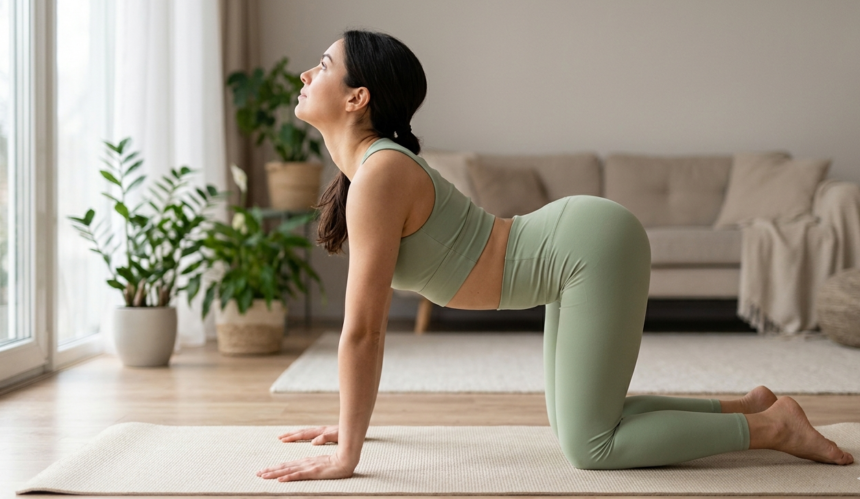
1. Cat-Cow Stretch (Marjaryasana-Bitilasana)
This dynamic pose combines two movements to gently massage the spine and relieve tension. Begin in a tabletop position, positioning your hands under your shoulders and knees under your hips. As you inhale, arch your back, lowering your belly towards the mat (Cow Pose). Exhale as you round your spine, tucking your chin towards your chest (Cat Pose). Repeat this sequence 5-10 times, focusing on your breath and maintaining a smooth transition between each pose.

2. Child’s Pose (Balasana)
Child’s Pose is a resting position that allows for gentle stretching of the back while promoting relaxation. Start in a kneeling position, bringing your big toes together while sitting back on your heels. Slowly lower your torso forward, stretching your arms out in front or alongside your body on the mat. Ensure your forehead rests gently on the ground. Hold this pose for 30 seconds to a minute, breathing deeply to release any tension in your back.

3. Downward-Facing Dog (Adho Mukha Svanasana)
This foundational pose stretches the spine, hamstrings, and shoulders. Begin in a tabletop position, then tuck your toes and lift your hips towards the ceiling, creating an inverted “V” shape with your body. Ensure your hands are shoulder-width apart and your feet are hip-width apart. As you position your body, gently press your heels towards the ground while keeping your spine straight. Hold this pose for 30 seconds, focusing on elongating your spine and relaxing your neck.

Incorporating these fundamental poses into your daily routine can significantly contribute to alleviating back pain. Remember to listen to your body and consult with a professional if you’re unsure about any movements.

Creating a Comfortable Yoga Space

Establishing a conducive environment for yoga practice at home is essential, particularly for those seeking relief from back pain. A comfortable yoga space can significantly enhance one’s experience and encourage regular practice. Start by decluttering the area designated for your yoga sessions. Remove any items that could distract you or make the space feel cramped. A clean and organized space promotes relaxation and focus, which is fundamental for effective yoga practice.

Next, consider the lighting in your chosen area. Natural light is ideal, as it creates a warm and inviting atmosphere. However, if natural light is not available, opt for soft, indirect lighting options that prevent harsh glares and shadows. Adjustable lamps or candles can contribute to a soothing ambiance, allowing you to customize the lighting based on your mood and the time of day.

Additionally, incorporating calming elements such as plants, artwork, or meaningful objects can help create a peaceful ambiance that resonates with positive energy. Choose soothing colors for the walls or decorative items, as they can influence your state of mind. Use cushions or yoga props that provide comfort during your poses, ensuring you have everything you need within arm’s reach, such as a yoga mat, blocks, or straps.

Finally, eliminate distractions by turning off electronic devices or placing them in another room. Consistently practicing yoga in a dedicated space not only cultivates a routine but also enhances your commitment to this journey for back pain relief. By following these simple tips, you can establish a yoga space that promotes tranquility and supports your physical and mental well-being.

Integrating Breathing Techniques with Yoga

Breath plays a pivotal role in the practice of yoga, particularly when addressing back pain relief. Effective breathwork not only enhances the quality of yoga practice but also aids in achieving deeper relaxation and improved flexibility. For those suffering from back pain, integrating specific breathing techniques can facilitate a greater sense of ease during yoga poses and help in maintaining spinal alignment.

One fundamental technique is diaphragmatic breathing, where one breathes deeply into the abdomen rather than the chest. This method encourages the diaphragm to engage fully, providing greater oxygenation to the muscles, which can be particularly beneficial when performing stretches that target the back. Focusing on this type of breathing during yoga can help individuals manage pain more effectively.

Another useful breathing technique is known as “ujjayi breathing,” also referred to as ocean breath. This technique involves constricting the throat slightly while breathing, which creates a soft sound reminiscent of ocean waves. Ujjayi breathing can help maintain stability and focus during yoga practice, allowing individuals to stay connected with their movements and pinpoint areas of tension in the back that may need attention.

Additionally, mindfulness breath practices encourage awareness of breath patterns, enabling individuals to notice when they are holding their breath or breathing shallowly, conditions that can exacerbate discomfort in the back. By cultivating a rhythmic breath in tandem with each movement, practitioners can not only deepen stretches but also enhance the overall effectiveness of their yoga practice for back pain relief.

Incorporating these breathing techniques into a regular yoga routine transforms each session into a comprehensive practice for physical and mental well-being, providing profound benefits for those coping with back pain.

Cooling Down and Conclusion of Your Yoga Practice

The importance of cooling down after a yoga session cannot be overstated, particularly for individuals seeking back pain relief. Cooling down allows the body to transition smoothly from the active phase of yoga to a restful state. This process helps to gradually lower heart rate and relieve any built-up tension in the muscles, ensuring an effective way to enhance the overall benefits of your yoga practice.

Gentle stretching during the cooldown phase is essential. Consider incorporating poses such as Child’s Pose, Supta Baddha Konasana (Reclining Bound Angle Pose), and Seated Forward Bend. These stretches can effectively alleviate tension in the lower back and promote relaxation. In Child’s Pose, the gentle forward fold helps to create space in the spine; Supta Baddha Konasana encourages opening in the hips, while Seated Forward Bend stretches both the spine and hamstrings. Each of these poses contributes to the overall goal of relieving discomfort associated with back pain.

Moreover, mindful breathing during the cooldown phase enhances relaxation, allowing the body to absorb the benefits of the practice fully. Focusing on deep, controlled breaths can calm the nervous system and lower stress levels, which are contributors to muscle tension and discomfort. Taking just a few minutes to engage in these practices can significantly impact your recovery and well-being.

As you conclude each yoga session, reflect on the improvements in flexibility and strength, especially concerning back pain relief. Establishing a consistent practice is the key to long-term results. By incorporating effective cooldown routines and remaining committed to your yoga journey, you can experience significant enhancements in your posture and a decrease in discomfort over time. Regular yoga practice, coupled with mindful cooling down, creates a holistic approach to managing and alleviating back pain.

Resources for Further Learning

Delving into the fundamentals of yoga, especially for back pain relief, can significantly enhance one’s understanding and practice. For those looking to deepen their knowledge, a variety of resources are available. Below is a curated list of materials, online courses, and local studios focusing on yoga for back pain.

One highly regarded book is “The Yoga Bible” by Christina Brown, which includes extensive explanations of various postures, modifications, and a specific focus on back care. Another insightful read is “Yoga for Back Pain” by Lee C. McGowan, which provides tailored routines and advice on integrating yoga safely into one’s lifestyle.

For visual learners, online platforms like Yoga.com and Udemy offer high-quality video classes that cater to individuals suffering from back discomfort. These courses are designed by certified instructors who understand the nuances of practicing yoga safely. Moreover, websites such as Yoga Journal and Verywell Fit frequently publish articles and tutorials focusing on back pain relief through yoga.

Residents in search of community support and structured training can benefit from local yoga studios that specialize in therapeutic practices. Many studios offer classes specifically for individuals with back issues. It is recommended to check online directories or community boards for listings of nearby yoga studios that emphasize therapeutic yoga, ensuring they employ instructors trained in alignment and back care.

By utilizing these resources, practitioners can enhance their yoga experience, promote back health, and foster a greater understanding of how yoga can serve as a powerful tool for pain management.

TAGGED:
Share This Article
Leave a comment

Leave a Reply

Your email address will not be published. Required fields are marked *