


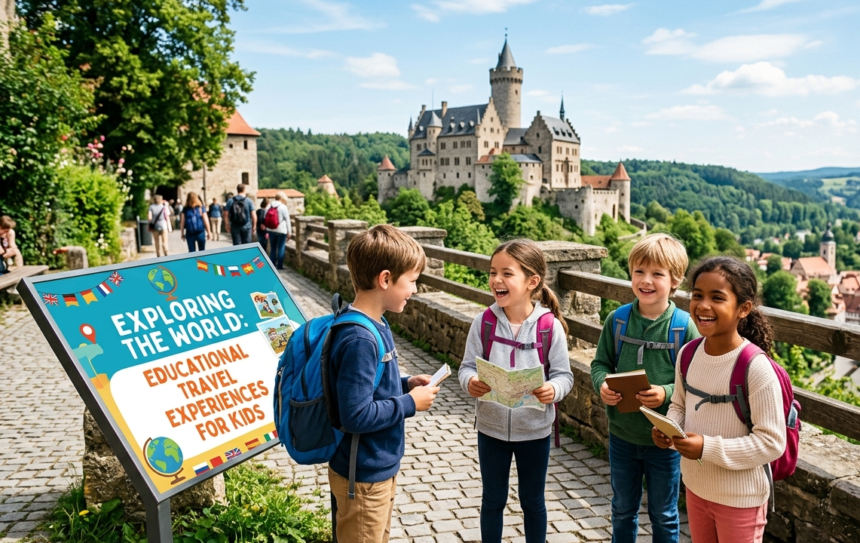
Travel offers children much more than a break from routine. It introduces them to new cultures, environments, languages, and ways of thinking that cannot always be learned from books or classrooms. Educational travel combines adventure with learning, helping children develop curiosity, confidence, and a deeper understanding of the world around them.
Whether it’s exploring historical landmarks, visiting museums, or discovering wildlife in national parks, every journey becomes an opportunity for lifelong learning.
Why Educational Travel Matters
Children learn best through hands-on experiences. Traveling allows them to see history, science, geography, and culture come to life. Instead of reading about ancient civilizations or ecosystems, they can experience them firsthand.
Educational travel also encourages:
- Critical thinking and problem-solving
- Cultural awareness and empathy
- Communication and social skills
- Independence and confidence
- Creativity and curiosity
These experiences often leave lasting impressions that inspire future learning.
Visit Historical Landmarks
Historical destinations help children connect with the past in meaningful ways. Walking through castles, forts, ancient ruins, or famous monuments makes history more engaging than simply reading about it.
Parents can make visits more interactive by asking questions, sharing interesting stories, or encouraging children to imagine life during different historical periods.
Some popular historical destinations include:
- Ancient ruins
- Historic cities
- Famous battlefields
- Museums dedicated to local history
- Cultural heritage sites
Explore Science and Discovery Museums
Science museums provide interactive exhibits that encourage children to experiment, ask questions, and explore new ideas. Many museums include hands-on activities related to robotics, engineering, physics, chemistry, and space exploration.
Children often enjoy learning when they can touch, build, and experiment with exhibits designed specifically for young minds.
Experience Nature and Wildlife
Nature-based travel teaches children about ecosystems, conservation, and biodiversity. Visiting national parks, wildlife reserves, botanical gardens, or marine parks allows them to observe animals and plants in their natural habitats.
Activities may include:
- Guided nature walks
- Bird watching
- Junior ranger programs
- Wildlife photography
- Camping adventures
These experiences help children appreciate environmental conservation and responsible tourism.
Discover Different Cultures
Meeting people from different backgrounds broadens children’s perspectives. Visiting local markets, attending cultural festivals, tasting traditional foods, and learning basic phrases in another language create memorable educational experiences.
Children begin to understand that although cultures differ, people around the world share many common values and traditions.
Farm Visits and Agricultural Learning
Working farms offer educational experiences that teach children where food comes from. Many farms allow visitors to feed animals, collect eggs, harvest crops, or learn about sustainable farming practices.
These experiences encourage appreciation for agriculture, healthy eating, and environmental responsibility.
Learn Through Outdoor Adventures
Adventure activities can also be educational. Hiking, kayaking, cycling, snorkeling, or exploring caves help children develop teamwork, resilience, and problem-solving skills while learning about geography and ecosystems.
Outdoor learning often improves physical fitness while building confidence.
Educational City Tours
Many cities offer guided tours designed specifically for families. Walking tours, food tours, architecture tours, and historical excursions introduce children to local culture in fun and engaging ways.
Interactive scavenger hunts and treasure maps make city exploration even more exciting.
Space and Astronomy Experiences
Children fascinated by science often enjoy visiting observatories, planetariums, and space centers. These destinations introduce astronomy through interactive exhibits, telescope observations, and educational presentations.
Learning about planets, stars, and space exploration often inspires future interest in STEM careers.
Marine and Ocean Exploration
Aquariums and coastal educational centers provide opportunities to learn about marine life, coral reefs, ocean conservation, and aquatic ecosystems.
Boat tours, tide pool exploration, and marine conservation programs help children understand the importance of protecting oceans.
Educational Travel Tips for Parents
Planning makes educational travel more enjoyable and productive.
Consider these suggestions:
- Choose age-appropriate destinations.
- Include both learning and recreation.
- Encourage children to ask questions.
- Let kids keep a travel journal.
- Visit interactive museums whenever possible.
- Allow time for free exploration.
- Discuss what children learned after each visit.
Keeping the experience enjoyable helps children remain engaged throughout the trip.
Making Learning Fun During Travel
Parents can turn ordinary travel moments into educational opportunities by encouraging observation and discussion.
Ideas include:
- Identify local wildlife.
- Read maps together.
- Count different languages heard.
- Learn local customs.
- Collect postcards or educational souvenirs.
- Take photos for a travel scrapbook.
Simple activities reinforce learning while creating lasting family memories.
Benefits Beyond the Vacation
Educational travel helps children develop skills that extend well beyond the trip itself. They become more adaptable, culturally aware, and open to new experiences. Exposure to different environments strengthens communication skills and encourages lifelong curiosity.
Children often return home with greater confidence, fresh interests, and unforgettable memories that continue to shape their education.
Conclusion
Educational travel transforms vacations into valuable learning experiences. From exploring historical landmarks and museums to discovering wildlife, science, and different cultures, every journey offers opportunities for growth and discovery. By combining fun with education, families can inspire curiosity, broaden perspectives, and create meaningful memories that last a lifetime.
Frequently Asked Questions
What is educational travel for kids?
Educational travel combines vacations with learning experiences, allowing children to explore history, science, culture, nature, and geography through real-world activities.
At what age can children benefit from educational travel?
Children of all ages can benefit. Activities should simply be adapted to match their age, interests, and learning abilities.
Are museums good educational destinations?
Yes. Interactive museums encourage hands-on learning and help children better understand subjects such as science, history, art, and technology.
How can parents make travel educational?
Parents can encourage questions, visit cultural and historical sites, keep travel journals, participate in guided tours, and discuss daily experiences together.
Does educational travel improve academic learning?
Yes. Real-world experiences often reinforce classroom lessons, improve memory retention, encourage critical thinking, and inspire children to continue learning long after the trip ends.