
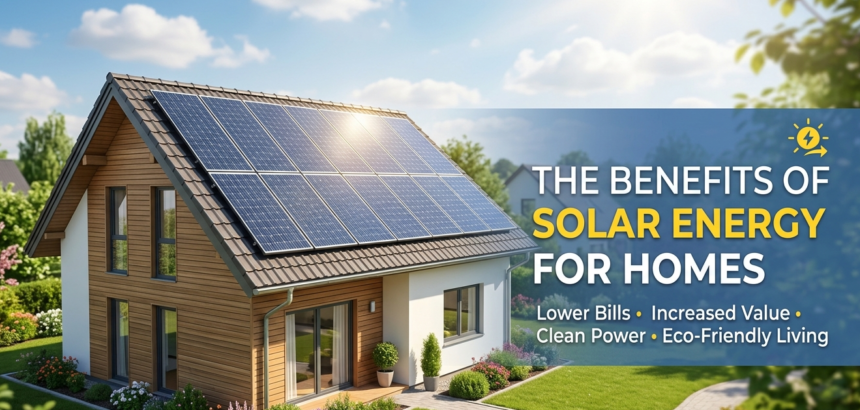
The Benefits of Solar Energy for Homes

admin
By admin
19 Min Read

Overview of Solar Energy

Solar energy is the most abundant source of energy available on Earth, derived from the sun’s radiation. This form of energy can be harnessed using various technologies, with photovoltaics being the most recognized method. Photovoltaic cells, commonly known as solar cells, convert sunlight directly into electricity by utilizing the photovoltaic effect, a process that generates electric current when light is absorbed by certain materials.

Solar panels, which consist of many photovoltaic cells connected together, are typically installed on rooftops or large open areas to maximize sunlight exposure. The integration of solar panels into residential settings has gained momentum in recent years due to several factors including technological advancements, decreasing costs, and growing environmental awareness. As energy demands rise globally, solar energy’s role in reducing reliance on fossil fuels and lowering greenhouse gas emissions becomes increasingly indispensable.

In addition to photovoltaic solar panels, there are other methods of harnessing solar power, such as solar thermal systems, which collect and convert sunlight into heat for residential water heating or heating spaces. Concentrated solar power (CSP) systems also utilize mirrors or lenses to focus a large area of sunlight, generating heat used to produce electricity. This diversity in technology allows homeowners to select solar energy systems best suited for their energy needs and geographical location.

The importance of solar energy in today’s energy landscape cannot be overstated. As climate change poses challenges to traditional energy sources, the shift towards renewable energy solutions offers a path toward sustainable living. Adopting solar energy contributes to energy independence, lowers energy costs over time, and promotes a healthier environment, making it a pivotal element of the future energy paradigm.

Cost Savings on Utility Bills

One of the most compelling advantages of adopting solar energy for homes is the significant reduction in utility bills. Homeowners who install solar panels can generate their own electricity, which decreases reliance on the grid and consequently lowers monthly energy expenses. In regions with high electricity rates, this can translate to substantial savings over time, allowing households to allocate funds to other essential areas.

Moreover, many solar energy systems come with various financing options that can further enhance cost savings. Homeowners can benefit from incentives such as tax credits and rebates, which reduce the upfront costs of installation. By taking advantage of these financial incentives, the overall return on investment becomes more attractive. This upfront investment, along with the ongoing savings from lower utility bills, can provide a financially sound decision for homeowners.

Additionally, solar energy systems can lead to long-term savings. Once the initial investment is recouped, all energy produced from the solar panels essentially becomes free electricity for the homeowner, significantly reducing or even eliminating their electricity bill. This aspect not only improves household financial planning but also stabilizes energy costs, providing a hedge against rising electricity prices in the future.

Lastly, the installation of solar energy systems can increase property values. Homes equipped with solar panels often sell at a premium compared to similar homes without solar energy solutions. Prospective buyers looking for energy-efficient options recognize the long-term savings associated with solar systems, making these homes more appealing in a competitive real estate market.

Increase in Property Value

One of the significant benefits of installing solar energy systems in residential properties is the enhancement of property value. Multiple studies have consistently demonstrated that homes equipped with solar panels tend to sell for notably higher prices than comparable homes without such installations. According to a report from the National Renewable Energy Laboratory (NREL), homes with solar systems sell for an average of $15,000 more than those without.

This increase in property value can be attributed to several factors, including the growing demand for sustainable living and the long-term cost savings associated with solar energy. Homebuyers are increasingly prioritizing energy-efficient features, making solar installations an attractive selling point. Furthermore, with energy costs rising, potential buyers are more inclined to invest in a property that offers reduced utility bills through solar power.

Real estate platforms have also acknowledged the trend of increased home values due to solar energy systems. For example, a study conducted by Zillow revealed that homes with solar panels can command a premium in the market, indicating that buyers are willing to pay more for properties that promise energy independence and lower utility expenses. Additionally, neighborhood values can benefit from collective solar adoption, as homes in solar-friendly areas often experience heightened interest and increased asset values.

Furthermore, many states and local governments offer incentives for solar energy installations which can amplify the returns on investment. These incentives contribute to not just immediate savings but can also reflect positively on long-term property appraisals. Ultimately, the installation of solar energy systems serves as a dual-purpose investment, benefiting both the homeowners and the environment while enhancing the overall value of residential properties.

Environmental Benefits

Solar energy presents significant environmental benefits that contribute to a healthier planet. By harnessing the power of the sun, households can significantly reduce their reliance on fossil fuels, which are a primary source of greenhouse gas emissions. These emissions are known to trap heat in the atmosphere, leading to climate change and various ecological challenges. Transitioning to solar power means that fewer hydrocarbons are burned, leading to a decrease in pollutants released into the air.

Moreover, the utilization of solar energy greatly lowers individual carbon footprints. Each kilowatt-hour of solar electricity produced contributes to the reduction of carbon dioxide emissions that would have otherwise stemmed from traditional energy sources. This reduction is vital, as achieving lower carbon footprints is an essential step toward combating global warming. Homeowners adopting solar solutions are not just improving their energy independence; they are actively participating in the fight against climate change.

Additionally, solar energy promotes sustainable living practices by encouraging a shift toward renewable energy sources. Unlike fossil fuels, solar power is abundant and inexhaustible, making it a viable long-term solution. The widespread adoption of solar technology has the potential to reduce the environmental impact associated with energy production, such as habitat destruction and water pollution caused by extraction and drilling processes. In essence, solar energy contributes to a more sustainable future by minimizing the ecological damage often tied to conventional energy practices.

As more homes embrace solar energy, the cumulative effect can lead to significant improvements in air quality and biodiversity. By prioritizing renewable resources, households foster an environment that can sustain future generations, highlighting the importance of making informed energy choices today.

Solar energy has emerged as a pivotal resource for homeowners seeking to enhance their energy independence. Unlike traditional energy sources that require dependency on external suppliers, solar energy systems enable households to generate their own electricity. This shift to self-sufficiency fosters a sense of control over energy consumption and mitigates the uncertainties associated with fluctuating energy prices.

Moreover, the reliance on fossil fuels presents numerous challenges, including vulnerability to market volatility and geopolitical tensions. By transitioning to solar energy, homeowners can significantly decrease their dependence on these non-renewable resources. This not only contributes to a healthier environment by reducing greenhouse gas emissions but also fortifies energy security at the individual level. Residents can produce power even in times of crisis, ensuring that they remain connected and powered during outages or regional disruptions.

Generating one’s own energy provides a tangible benefit during power outages. With a properly installed solar system, homeowners can leverage battery storage solutions to store excess energy produced during sunny days, ensuring a continuous power supply when the grid fails. This level of energy independence is particularly beneficial in areas prone to frequent blackouts, as it allows households to maintain essential functions and enhance their quality of life despite external interruptions.

In addition to fostering energy independence, solar energy systems can also drive long-term financial stability by reducing monthly energy bills and insulating homeowners from the effects of rising energy costs. Therefore, the advantages of embracing solar energy extend beyond just environmental considerations, encompassing enhanced security, greater resilience, and improved economic outcomes for homeowners. The integration of solar energy into residential settings thus plays a critical role in shaping a more sustainable and dependable energy future.

Low Maintenance Requirements

One of the most compelling advantages of solar energy systems is their remarkably low maintenance requirements. Once installed, solar panels often function effectively with very little upkeep needed, setting them apart from many other home energy solutions. Most modern solar panels are equipped with durable materials and are designed to withstand a variety of environmental conditions, from hail to heavy winds, ensuring longevity and performance.

The durability of solar panels contributes significantly to their low maintenance profile. Many manufacturers offer warranties that span 20 to 25 years, attesting to their capacity to operate effectively throughout their lifespan. This durability means that homeowners can enjoy the benefits of renewable energy without the constant worry of potential repairs or systemic failures. Furthermore, solar inverters may require replacement approximately every 5 to 10 years; however, this is a manageable aspect of the overall system when considering the lengthy operation of the solar panels.

Minimal maintenance for solar energy systems typically involves simple tasks, such as occasional cleaning and inspections to ensure optimal efficiency. For most homeowners, natural rainfall is often sufficient for cleaning panels, while an annual inspection by a professional can help identify any issues before they escalate. This user-friendly aspect boosts the overall cost-effectiveness of solar energy over time, as reduced maintenance efforts translate to lower operating costs.

By investing in a solar energy system, homeowners benefit not only from renewable energy sources but also from a hassle-free energy solution that requires little intervention. This low-maintenance characteristic enhances the appeal of solar panel installations, ultimately contributing to their growing popularity among environmentally conscious residents seeking sustainability and practicality.

Government Incentives and Rebates

As homeowners consider the switch to solar energy, understanding the governmental support available can significantly influence their decision. Numerous programs, tax credits, and rebates are designed to lessen the financial burden of installing solar panels. These incentives aim not only to promote renewable energy adoption but also to reduce the overall spending for homeowners looking to harness solar power.

One of the most notable incentives available is the federal solar tax credit, also known as the Investment Tax Credit (ITC). This program allows homeowners to deduct a substantial percentage of the total installation cost from their federal taxes. As of 2023, this credit stands at 26%, making it a compelling reason to invest in solar energy. It is essential for homeowners to understand the stipulations of the ITC, such as installation deadlines and eligibility requirements, to fully benefit from this financial advantage.

Many states offer additional incentives, including tax credits, rebates, and performance-based incentives that can significantly amplify savings for solar energy users. For instance, some states provide cash rebates for existing solar panel installations, while others may offer property tax exemptions for solar energy systems. To maximize financial benefits from these programs, homeowners should research available state-level incentives thoroughly, as the specifics can vary widely depending on their location.

Another beneficial avenue for prospective solar users is financing programs, which can include low-interest loans or power purchase agreements (PPAs). Such options enable homeowners to adopt solar technology with little to no upfront costs. Additionally, many utility companies also implement net metering policies, allowing homeowners to receive credits for surplus energy produced, further enhancing the economic viability of solar energy.

Technological Advancements in Solar Energy

Advancements in solar energy technology have significantly transformed the landscape of renewable energy, making it increasingly efficient and accessible for homeowners. Innovative solar panel designs, particularly those that adopt advanced photovoltaic (PV) materials, offer higher energy conversion rates. For instance, bifacial solar panels, which capture sunlight from both sides, have emerged as a popular choice. These panels can increase energy yield, thereby maximizing the effectiveness of the solar installation.

Additionally, the integration of battery storage systems has revolutionized the way solar energy can be utilized in homes. Home battery solutions, such as the Tesla Powerwall, allow homeowners to store excess energy produced during the day for use during nighttime or inclement weather. This capability not only enhances energy independence but also ensures a reliable power supply, reducing reliance on the grid. Furthermore, advancements in battery technology have led to longer lifespan batteries with shorter charging times, making them a practical investment for many households.

Another significant development in solar energy is its integration with smart home technology. Smart solar systems enable homeowners to monitor their energy production and consumption in real-time, making it easier to optimize usage patterns. This integration often includes smart inverters and energy management software, which enhance system performance and efficiency. By leveraging data analytics, homeowners can gain insights into their energy patterns, leading to informed decisions that further lower energy costs.

These advancements not only improve the efficiency of solar installations but also contribute to the overall accessibility of solar energy for a broader audience. As technology continues to evolve, the potential for solar energy to power homes sustainably becomes more attainable, offering a viable solution for homeowners looking to reduce their carbon footprint and energy expenses.

Conclusion: The Future of Solar Energy for Homeowners

As homeowners increasingly seek sustainable and cost-effective energy solutions, solar energy emerges as a pivotal player in the residential energy landscape. The numerous advantages discussed, such as reduced electricity bills, energy independence, and environmental benefits, paint a compelling picture for solar adoption. With technological advancements leading to more efficient solar panels and battery storage options, the feasibility of installing solar energy systems has never been higher.

Moreover, the evolving legal and financial frameworks, including government incentives and tax credits, further lower the barriers to entry for homeowners considering solar energy. These factors underscore the growing significance of renewable solar energy in combating climate change and promoting energy sustainability. By investing in solar technology, homeowners not only secure their energy future but also contribute to a collective effort towards a greener planet.

Looking forward, trends in the solar energy sector indicate an upward trajectory; residential solar installations are likely to proliferate as awareness and acceptance grow. The integration of smart home technology with solar systems is predicted to enhance energy management, offering homeowners unprecedented control over their energy usage and costs. Furthermore, community solar projects are gaining traction, providing additional access to solar energy solutions for those who may not have suitable roof space or financial means to install personal systems.

In conclusion, the potential for solar energy is vast, presenting an opportunity for homeowners to play an active role in the transition to renewable energy. Embracing solar solutions not only enhances individual energy efficiency but also reflects a growing commitment to environmental stewardship. As the future unfolds, homeowners who adopt solar energy will undoubtedly find themselves at the forefront of a sustainable energy revolution.

TAGGED:
Share This Article
Leave a comment

Leave a Reply

Your email address will not be published. Required fields are marked *