

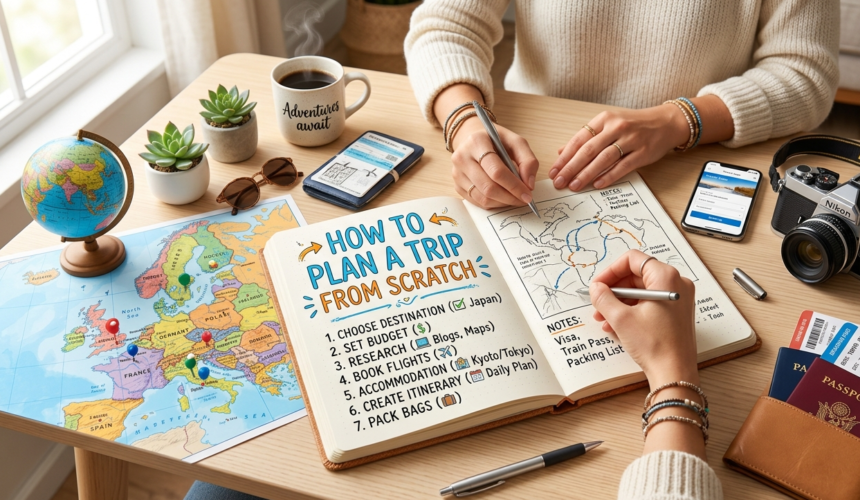
Planning a trip can feel overwhelming, especially if you’re traveling to a new destination. From choosing where to go to booking flights and accommodations, every step requires careful preparation. A well-planned trip helps you save money, reduce stress, and make the most of your travel experience.
Whether you’re planning a weekend getaway or an international vacation, following a step-by-step approach makes the process much easier.
Step 1: Choose Your Destination
Start by deciding where you want to travel. Consider your interests, budget, weather, travel restrictions, and the amount of time you have available.
Research different destinations to find one that matches your travel goals.
Step 2: Set a Budget
Determine how much you’re willing to spend before making any bookings. Include expenses such as:
- Transportation
- Accommodation
- Food
- Attractions
- Shopping
- Emergency funds
A realistic budget helps you avoid overspending during your trip.
Step 3: Decide Your Travel Dates
Choose travel dates that fit your schedule and budget. Traveling during the off-season often means lower prices and fewer crowds.
Book early if you plan to travel during holidays or peak tourist seasons.
Step 4: Book Transportation
Compare prices for flights, trains, buses, or rental cars. Look for convenient travel times and consider baggage fees and cancellation policies before booking.
Keeping digital copies of your tickets is also a good idea.
Step 5: Reserve Accommodation
Choose accommodation based on your budget, location, and travel style. Hotels, vacation rentals, hostels, and guesthouses all offer different advantages.
Reading recent reviews can help you make an informed decision.
Step 6: Plan Your Itinerary
Create a flexible daily itinerary that includes major attractions, restaurants, shopping areas, and local experiences.
Avoid scheduling every minute so you have time to relax or explore unexpected places.
Step 7: Prepare Travel Documents
Make sure your passport is valid if traveling internationally. Check visa requirements, travel insurance, identification, and any necessary health documents before departure.
Store both digital and printed copies of important documents.
Step 8: Pack Smart
Prepare a packing list based on your destination, weather, and planned activities.
Pack essential clothing, toiletries, medications, chargers, travel documents, and any personal items you may need. Avoid overpacking by choosing versatile clothing.
Step 9: Manage Your Finances
Inform your bank if you’re traveling internationally. Carry multiple payment methods, including credit cards, debit cards, and a small amount of local currency.
Keeping emergency funds separate can provide extra security.
Step 10: Stay Safe While Traveling
Research local customs, emergency contacts, transportation options, and safety guidelines before arriving.
Keep valuables secure, stay aware of your surroundings, and share your itinerary with a trusted friend or family member.
Conclusion
Planning a trip from scratch becomes much easier when you take it one step at a time. Choosing the right destination, creating a realistic budget, booking transportation and accommodation early, and preparing your travel documents can help ensure a smooth and enjoyable journey.
With careful planning and a flexible mindset, you’ll be ready to make unforgettable memories wherever your travels take you.
Frequently Asked Questions (FAQs)
1. What is the first step in planning a trip?
The first step is choosing a destination based on your interests, budget, available time, and travel goals.
2. How far in advance should I plan a trip?
For most trips, planning 2 to 6 months in advance can help you find better prices and availability.
3. How do I create a travel budget?
Include transportation, accommodation, meals, attractions, shopping, travel insurance, and emergency expenses.
4. Should I buy travel insurance?
Yes. Travel insurance can help cover unexpected medical emergencies, trip cancellations, lost luggage, and travel delays.
5. What documents should I prepare?
Depending on your destination, you may need a passport, visa, identification, travel insurance, tickets, and vaccination records.
6. How can I save money while traveling?
Travel during the off-season, book early, compare prices, use public transportation, and set a daily spending limit.
7. What should I pack for a trip?
Pack clothing suitable for the weather, toiletries, medications, chargers, travel documents, and any essentials for your planned activities.
8. How detailed should my itinerary be?
Plan major activities but leave some free time for relaxation and unexpected opportunities.
9. Is it better to book everything in advance?
Booking transportation and accommodation early is usually recommended, while leaving some flexibility for activities can make your trip more enjoyable.
10. How can I stay safe while traveling?
Keep your valuables secure, follow local laws and customs, stay aware of your surroundings, carry emergency contact information, and share your travel plans with someone you trust.