Bhutan is one of the most beautiful travel destinations in South Asia, known for its breathtaking Himalayan landscapes, peaceful monasteries, traditional architecture, and rich cultural heritage. Often called the Land of the Thunder Dragon, this small kingdom offers a unique combination of natural beauty and spiritual traditions. Visitors can explore mountain valleys, historic fortresses, colorful festivals, and charming villages surrounded by spectacular scenery.
Located in the eastern Himalayas between India and China, Bhutan has developed a distinctive approach to tourism that emphasizes cultural preservation and environmental protection. Unlike many busy tourist destinations, the country focuses on responsible travel and meaningful cultural experiences. Famous attractions such as Tiger’s Nest Monastery, Punakha Dzong, and Buddha Dordenma make Bhutan particularly attractive to travelers interested in history, nature, and architecture.
Planning a Bhutan vacation requires understanding its entry requirements, transportation options, travel costs, and seasonal conditions. Whether you want to explore ancient monasteries, discover traditional Bhutanese culture, or admire mountain landscapes, there are many memorable experiences to enjoy. This Bhutan tourism travel guide covers the best things to do, popular destinations, and practical information for planning your journey.
Where Is Bhutan Located?
Bhutan is a landlocked country in the eastern Himalayas, bordered by India to the south and China to the north. Its landscape includes forested valleys, impressive mountain ranges, rivers, and traditional settlements. The country’s mountainous geography has influenced its transportation routes, architecture, and cultural development throughout history.
Thimphu is the capital and largest city, while Paro serves as an important international arrival point. Other popular destinations include Punakha, Phobjikha Valley, and Bumthang. These locations offer different combinations of historic landmarks, religious sites, and beautiful natural surroundings.
Traveling through Bhutan often involves winding mountain roads and changing elevations. Distances between towns may appear relatively short, but journeys can take longer than expected. Planning a realistic itinerary allows visitors to appreciate the landscapes and attractions without spending too much time moving between destinations.
Why Is Bhutan Famous for Tourism?
Bhutan is famous for its remarkable Himalayan scenery, Buddhist traditions, and distinctive cultural identity. Historic monasteries, traditional fortresses, and religious festivals remain important parts of everyday life. Visitors can explore beautiful landmarks while learning how Bhutanese communities preserve their history and customs.
The country is also known for its emphasis on environmental conservation and sustainable tourism. Large areas remain forested, supporting diverse wildlife and important natural habitats. Bhutan’s tourism policies are designed to help protect these resources while contributing to national development.
Another distinctive feature is Bhutan’s philosophy of Gross National Happiness, which considers well-being alongside economic development. Although everyday life involves the same complexities found elsewhere, this philosophy remains an important part of the country’s identity. Travelers interested in culture, history, and natural scenery often find Bhutan especially rewarding.
1. Visit Tiger’s Nest Monastery in Paro
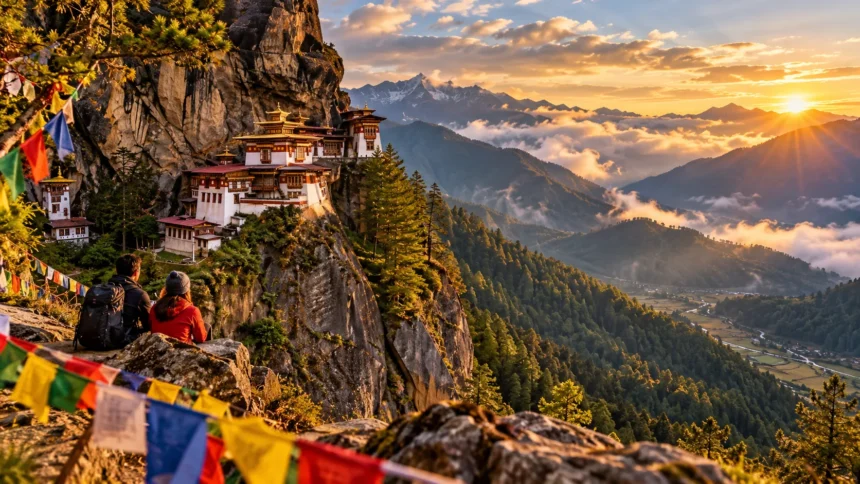
Tiger’s Nest Monastery, officially known as Paro Taktsang, is Bhutan’s most recognizable tourist attraction. The monastery stands dramatically on a cliff overlooking the beautiful Paro Valley. Its location, traditional architecture, and spiritual significance make it one of the country’s most memorable landmarks.
The monastery is associated with Guru Rinpoche, an important figure in Bhutanese Buddhism. Visitors can admire the surrounding mountain landscape and learn about the site’s religious history. The buildings appear to rise directly from the rocky cliffs, creating one of the most photographed scenes in Bhutan.
Reaching Tiger’s Nest requires a substantial uphill hike, and the altitude can make the journey physically demanding. Visitors should consider their fitness, allow adequate time, and follow local guidance. Comfortable footwear, suitable clothing, and respect for monastery rules are essential for an enjoyable visit.
2. Explore Thimphu, the Capital of Bhutan
Thimphu is Bhutan’s capital and an important center for government, commerce, and cultural activities. The city combines traditional Bhutanese architecture with modern shops, restaurants, and public spaces. Surrounded by green hills, Thimphu offers a distinctive atmosphere compared with many larger Asian capitals.
Visitors can explore museums, religious landmarks, and cultural institutions that introduce them to Bhutanese traditions. Popular attractions include the National Memorial Chorten, Tashichho Dzong, and local markets. These places provide opportunities to appreciate traditional craftsmanship, architecture, and daily life.
Thimphu also offers accommodation and dining options for different travel preferences. Walking through selected neighborhoods allows visitors to discover local businesses and traditional buildings. Spending two days in the capital can provide a useful introduction to Bhutan before exploring its more remote valleys.
3. Discover Buddha Dordenma
Buddha Dordenma is an impressive seated Buddha statue overlooking the Thimphu Valley. Located on a hillside above the city, the monument is one of Bhutan’s most prominent religious landmarks. Its enormous size and elevated position create a remarkable setting for sightseeing and photography.
The statue rises approximately 51 meters and is surrounded by a peaceful religious complex. Visitors can admire the architecture and enjoy wide views across Thimphu and the surrounding mountains. Clear weather provides particularly attractive opportunities to appreciate the valley’s natural scenery.
The site is an important place of religious significance, so visitors should behave respectfully and follow posted instructions. Modest clothing is appropriate, and photography may be restricted in certain areas. Combining Buddha Dordenma with other Thimphu attractions creates an enjoyable day of cultural sightseeing.
4. Visit Punakha Dzong
Punakha Dzong is one of Bhutan’s most beautiful historic fortresses and an essential attraction for travelers. Located at the meeting point of the Pho Chhu and Mo Chhu rivers, the impressive structure is surrounded by scenic mountain landscapes. Its traditional Bhutanese architecture creates a remarkable appearance.
The dzong has played an important role in Bhutan’s religious and political history. Its courtyards, decorative wooden details, and historic buildings demonstrate the craftsmanship associated with traditional Bhutanese construction. The surrounding river scenery makes the location especially attractive for photography.
Punakha experiences a generally warmer climate than higher-elevation destinations such as Thimphu and Paro. This makes it a pleasant location for exploring cultural attractions and nearby countryside. Visitors should check access arrangements because parts of the complex may have restrictions during religious or official activities.
5. Explore Dochula Pass
Dochula Pass is one of Bhutan’s most famous mountain viewpoints, located along the route between Thimphu and Punakha. The pass stands at an elevation of approximately 3,100 meters. It is particularly known for its collection of 108 memorial chortens and beautiful views of the surrounding mountains.
On clear days, visitors may enjoy distant views of snow-covered Himalayan peaks. The memorial structures create an attractive setting against the mountain landscape. Their arrangement also reflects important elements of Bhutanese religious traditions and cultural heritage.
Weather conditions at Dochula Pass can change quickly because of its elevation. Clouds and mist sometimes limit mountain visibility, particularly during less favorable weather. Visitors should bring suitable layers and allow time to appreciate the location without expecting clear panoramic views on every visit.
6. Discover Phobjikha Valley
Phobjikha Valley is one of Bhutan’s most beautiful natural destinations, famous for its broad glacial valley and peaceful rural surroundings. Located in central Bhutan, the region offers green landscapes, traditional villages, and attractive mountain views. It is particularly appealing to travelers who enjoy nature and quiet countryside experiences.
The valley is internationally recognized as an important winter habitat for black-necked cranes. These remarkable birds migrate to the region during the colder months, usually between autumn and late winter. Visitors may have opportunities to observe them from appropriate locations while respecting conservation requirements.
Phobjikha is also home to Gangtey Monastery, an important religious landmark overlooking the valley. The surrounding area provides opportunities for scenic walks and cultural exploration. Choosing responsible tourism experiences helps protect the delicate environment and the wildlife that depends on it.
7. Visit the Beautiful Paro Valley
Paro Valley is one of Bhutan’s most attractive regions, surrounded by forested hills, traditional houses, and agricultural landscapes. It is home to Bhutan’s main international airport and several important cultural landmarks. Many travelers begin or end their Bhutan vacation in this beautiful valley.
The area includes Paro Rinpung Dzong, traditional villages, and scenic viewpoints. Visitors can explore local streets, discover Bhutanese architecture, and enjoy views of the surrounding countryside. The valley also provides a convenient base for visiting Tiger’s Nest Monastery.
Paro offers accommodation ranging from traditional guesthouses to comfortable hotels and premium resorts. Its peaceful atmosphere makes it suitable for a relaxed introduction to Bhutan. Allowing more than one night provides time to explore local attractions without rushing between sightseeing locations.
8. Explore Bumthang Valley
Bumthang is a culturally important region in central Bhutan, known for its historic temples, traditional villages, and beautiful mountain landscapes. The area consists of several valleys that contain important religious and historical sites. It is often described as one of Bhutan’s spiritual heartlands.
Visitors can discover landmarks such as Jakar Dzong, Kurjey Lhakhang, and Jambay Lhakhang. These sites reflect the development of Buddhist traditions in Bhutan. The region also features traditional farms, forested landscapes, and scenic countryside routes.
Bumthang is farther from the country’s main international arrival point than Paro, Thimphu, and Punakha. Traveling there generally requires additional time because of mountain roads and distances. Visitors planning longer Bhutan itineraries may find the region especially rewarding for its quieter atmosphere and cultural heritage.
9. Experience Traditional Bhutanese Festivals
Bhutanese festivals are among the country’s most memorable cultural experiences. Religious celebrations known as tshechus take place in different districts throughout the year. These events often feature traditional masked dances, colorful clothing, religious ceremonies, and community gatherings.
Popular celebrations include the Paro Tshechu and Thimphu Tshechu. Visitors can observe elaborate costumes and performances that reflect important Buddhist stories and traditions. Festival dates follow local calendars and may change from year to year, making advance planning important.
Festivals are religious and community events rather than performances created solely for tourists. Visitors should follow local guidance, dress respectfully, and avoid interfering with ceremonies. Attending with cultural awareness can provide a deeper understanding of Bhutanese traditions and everyday community life.
10. Discover Traditional Bhutanese Villages
Traditional villages are an important part of Bhutan’s cultural landscape. Many feature beautifully decorated houses, farmland, religious structures, and small community gathering spaces. Visiting these settlements can provide insight into rural life beyond the country’s major tourist attractions.
Village experiences may include opportunities to learn about traditional crafts, farming practices, and regional food. Some communities welcome visitors through locally organized cultural activities or guesthouse experiences. These opportunities can create meaningful interactions when approached respectfully.
Travelers should remember that villages are living communities rather than outdoor museums. Respecting privacy, asking permission before taking photographs, and supporting local businesses are important considerations. A thoughtful visit allows travelers to appreciate Bhutan’s traditions without disrupting residents’ daily routines.
11. Enjoy Bhutan’s Beautiful Natural Landscapes
Bhutan offers extraordinary natural scenery, including forested hills, alpine valleys, rivers, and distant Himalayan peaks. Its mountainous landscape creates opportunities for photography, wildlife observation, and peaceful outdoor exploration. Different elevations support a wide range of environments and seasonal conditions.
Nature-focused destinations include Phobjikha Valley, the forests surrounding Paro, and scenic areas near Punakha. Visitors can admire agricultural terraces, traditional villages, and natural viewpoints along established travel routes. Some protected areas also contain important wildlife habitats that require responsible visitor behavior.
Outdoor activities should be selected according to weather conditions, local regulations, and individual ability. Mountain environments can present challenges related to altitude, changing temperatures, and uneven terrain. Following marked routes and using qualified local services when appropriate helps protect visitors and natural environments.
12. Try Traditional Bhutanese Food
Bhutanese cuisine is an important part of the country’s cultural identity. Many traditional dishes feature rice, vegetables, cheese, and chili peppers. The flavors can be distinctive, particularly for travelers unfamiliar with the generous use of chilies in everyday cooking.
Ema datshi is one of Bhutan’s best-known dishes and typically combines chilies with cheese. Other traditional foods include vegetable preparations, rice dishes, and regional specialties. Visitors can explore local cuisine through restaurants and community-based dining experiences.
Food preferences and dietary requirements should be communicated clearly when ordering. Some traditional dishes can be very spicy, although restaurants may offer milder alternatives. Trying different foods can provide a memorable introduction to Bhutanese culture while supporting local hospitality businesses.
Best Time to Visit Bhutan
The best time to visit Bhutan is generally during spring and autumn. March through May often brings pleasant temperatures, flowering plants, and attractive mountain scenery. These months can be especially appealing for sightseeing and enjoying the countryside.
September through November is another popular travel period because the weather is often relatively clear and comfortable. Autumn is also associated with important cultural festivals in several regions. However, visitor demand may be higher during popular events, so accommodation and transportation should be arranged in advance.
Summer brings monsoon rainfall that can affect road conditions and mountain visibility. Winter can provide clear views in some areas, but higher elevations may experience freezing temperatures and snow. Choosing the right season depends on the regions you plan to visit and the experiences you want to enjoy.
Bhutan Visa Requirements and Tourism Fees
Most international tourists require a visa before traveling to Bhutan. Indian visitors follow a separate permit system, while citizens of Bangladesh and the Maldives have different application arrangements. Entry rules depend on nationality and should be confirmed before booking international transportation.
Bhutan applies a Sustainable Development Fee, commonly called the SDF, to tourist stays. As of October 2026, the standard fee for most international adult visitors is US$100 per night, while eligible Indian tourists pay a different rate. Children may qualify for reduced rates or exemptions, depending on age and nationality.
Many visa applicants must also pay a separate US$40 processing fee. These charges are generally additional to accommodation, transportation, meals, and sightseeing costs. Because tourism policies can change, travelers should confirm current requirements through Bhutan’s official immigration and tourism information before making payments.
How to Get to Bhutan
Most international travelers reach Bhutan through Paro International Airport. The airport is surrounded by mountains and serves as the main international aviation gateway to the country. Flight schedules and available connections depend on the airline, departure location, and travel season.
Bhutan can also be entered through designated land border crossings from India, subject to applicable immigration requirements. The most suitable route depends on nationality, travel documentation, and itinerary. Travelers should confirm approved entry points before planning an overland journey.
Inside Bhutan, road transportation is commonly used for travel between major destinations. Mountain roads can be winding, and driving times may be longer than expected. Licensed guides and transportation services are relevant to many visitor itineraries, so travelers should check current tourism rules and arrange suitable services.
How Many Days Do You Need in Bhutan?
A five-day Bhutan itinerary can introduce travelers to some of the country’s most famous attractions. Visitors may focus on Paro and Thimphu, with selected nearby sightseeing experiences. This duration is suitable for those with limited time, although travel schedules may feel relatively compact.
Seven to ten days generally provide a more comfortable introduction to Bhutan. Travelers can explore Paro, Thimphu, and Punakha while allowing time for cultural attractions and scenic viewpoints. A longer schedule also provides flexibility for slower road journeys and changing weather conditions.
Visitors interested in Phobjikha Valley, Bumthang, or eastern Bhutan should consider a longer itinerary. These destinations require additional travel time because of their locations. Choosing fewer regions and spending more time in each can provide a more relaxed and meaningful travel experience.
Bhutan Travel Costs and Budget Tips
Bhutan can be relatively expensive compared with some neighboring destinations because of tourism fees, transportation requirements, and accommodation costs. The Sustainable Development Fee is a major consideration for many international visitors. The total travel budget also includes flights, hotels, meals, guides, and attraction expenses.
Accommodation ranges from modest hotels and guesthouses to premium resorts. Transportation and guiding services may represent additional costs, particularly on itineraries covering several regions. Travelers should request detailed quotations that clearly identify what is included in a travel package.
Planning the trip around a smaller number of destinations can help reduce transportation expenses. Comparing licensed service providers and traveling during less busy periods may also provide more accommodation choices. A realistic budget should include mandatory fees alongside everyday travel expenses.
Essential Bhutan Travel Tips
Respecting local customs is an important part of visiting Bhutan. Many monasteries, temples, and dzongs are active religious sites with specific visitor requirements. Modest clothing, appropriate behavior, and compliance with photography restrictions help maintain a respectful environment.
Weather and elevation should also influence travel preparation. Mountain destinations can become cold even when lower valleys feel comfortable. Packing layers, comfortable walking shoes, and suitable rain protection can help travelers adapt to changing conditions.
Finally, prepare travel documents and confirm arrangements before departure. Check visa approval, applicable tourism fees, accommodation bookings, and transportation schedules. Allowing additional time for road journeys and avoiding an overcrowded itinerary can make the entire experience more comfortable.
Conclusion
Bhutan is one of South Asia’s most distinctive travel destinations, offering magnificent Himalayan landscapes, historic monasteries, beautiful valleys, and fascinating cultural traditions. Attractions such as Tiger’s Nest Monastery, Punakha Dzong, and Buddha Dordenma provide unforgettable sightseeing experiences. Destinations including Paro, Thimphu, Phobjikha, and Bumthang reveal different aspects of the country’s natural and cultural heritage.
Planning a successful Bhutan vacation requires attention to travel seasons, transportation, visa arrangements, and mandatory tourism fees. Spring and autumn are particularly popular for comfortable sightseeing conditions. Visitors who allow enough time for mountain journeys and cultural experiences often enjoy a more rewarding itinerary.
Whether you are interested in religious architecture, mountain scenery, traditional festivals, or local cuisine, Bhutan offers memorable opportunities for exploration. Responsible travel and respect for local communities are essential parts of the experience. With thoughtful planning, a journey through Bhutan can become a remarkable introduction to the beauty and traditions of the eastern Himalayas.
Frequently Asked Questions
1. Is Bhutan Worth Visiting?
Yes, Bhutan is worth visiting for its Himalayan landscapes, traditional monasteries, cultural festivals, and distinctive architecture. It is especially appealing to travelers interested in nature, history, and responsible tourism.
2. What Are the Best Places to Visit in Bhutan?
Popular destinations include Tiger’s Nest Monastery, Paro Valley, Thimphu, Punakha Dzong, Dochula Pass, Phobjikha Valley, and Bumthang. Each offers different combinations of natural scenery and cultural attractions.
3. What Is the Best Month to Visit Bhutan?
April, October, and November are popular months because they often provide comfortable sightseeing weather and attractive landscapes. The best month depends on the region and planned activities.
4. How Much Is the Bhutan Tourism Fee?
As of October 2026, the standard Sustainable Development Fee is US$100 per night for most international adult tourists. Indian visitors have a different rate, and certain children qualify for discounts.
5. How Many Days Are Enough for a Bhutan Trip?
Seven to ten days are generally suitable for a first visit covering Paro, Thimphu, and Punakha. Travelers interested in Phobjikha Valley or Bumthang may prefer a longer itinerary.