

Introduction to Tanzania’s Diverse Landscapes
Tanzania, situated in East Africa, is renowned for its stunning natural beauty and rich ecological diversity. The country boasts a wide array of landscapes ranging from excellent coastal regions along the Indian Ocean to majestic mountains, such as the famed Mount Kilimanjaro. Tanzania’s geography is characterized by vast savannahs, lush forests, and unique geological formations, making it a remarkable destination for nature lovers and adventure seekers alike.
The varied ecosystems present in Tanzania are home to an impressive range of wildlife and plant species. For instance, the pristine beaches of Zanzibar offer a tranquil escape, while the lush forests of the Udzungwa Mountains are known for their endemic species, including rare monkeys and unique flora. This distribution of landscapes creates diverse habitats supporting varied wildlife, thus providing critical opportunities for eco-tourism and cultural experiences.
Culturally, Tanzania is equally rich, with over 120 distinct ethnic groups contributing to a vibrant tapestry of traditions, languages, and customs. The convergence of different cultures and lifestyles adds depth to the experience of visitors exploring areas beyond the iconic Serengeti National Park. From the warm hospitality of local communities to traditional festivals celebrating age-old practices, there are countless opportunities for cultural immersion.
Exploring Tanzania allows travelers to appreciate not just its ecological diversity but also the interwoven cultural narratives that define this enchanting country. Whether you journey to the arid landscapes of the Great Rift Valley, the wetlands of Lake Manyara, or the volcanic formations of Ngorongoro, Tanzania’s landscapes offer unique experiences that extend far beyond the well-trodden paths of its most famous national parks.
Ngorongoro Crater: A Natural Wonder
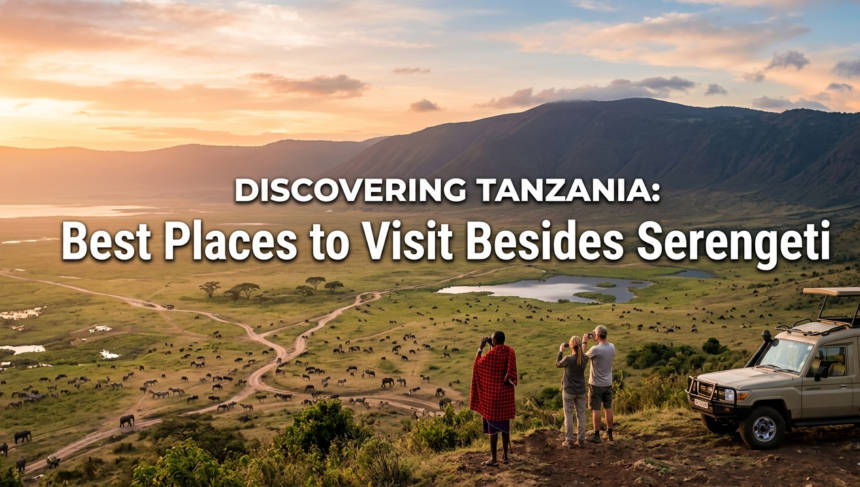
The Ngorongoro Crater, a UNESCO World Heritage site, stands as one of the world’s most remarkable conservation areas, captivating visitors with its breathtaking landscapes and rich biodiversity. Formed as a result of a massive volcanic eruption around two to three million years ago, this geological wonder is often referred to as a “caldera.” It is approximately 19 kilometers in diameter, providing a unique habitat for various species of wildlife and plant life that thrive in its diverse environments.
Within the walls of the crater lies a plethora of ecosystems, ranging from lush grasslands to dense forests, which support an astonishing variety of animals. It is home to approximately 25,000 large mammals, including the renowned African elephants, black and white rhinos, wildebeests, and zebras. Additionally, the Ngorongoro Crater offers a prime location for birdwatching, with over 500 species documented, making it a favored spot for both wildlife enthusiasts and photographers.
Visitors to the Ngorongoro Crater can engage in exceptional wildlife viewing experiences. Early morning game drives provide opportunities to observe the vibrant ecosystems as they come alive at dawn. As you navigate the crater’s rugged terrain, the chance of witnessing the Great Migration spectacle is an unforgettable highlight, particularly during the wet season. The crater also allows visitors to interact with the Maasai people, who have coexisted with the land and its wildlife for centuries. Cultural tours provide insight into the Maasai’s traditional way of life and their harmonious relationship with nature.
In summary, the Ngorongoro Crater is more than just a stunning geographical feature; it represents a vital ecological system that supports diverse life forms and offers unique experiences. Travelers seeking to immerse themselves in Tanzania’s natural heritage will find that a visit to this iconic location is both enriching and inspiring.
Mount Kilimanjaro: Climbing Africa’s Highest Peak
Mount Kilimanjaro, towering majestically at 5,895 meters, is renowned as Africa’s highest peak and a pivotal destination for trekkers and adventure seekers from around the world. Its allure stems from its diverse ecosystems, breathtaking landscapes, and the thrill of reaching the summit, Uhuru Peak. This iconic mountain is not merely a climb; it is a journey through various climatic zones, emphasizing the need for trekkers to prepare thoroughly.
The most popular routes for climbing Mount Kilimanjaro include the Marangu, Machame, Lemosho, and Rongai routes. Each offers unique experiences and varies in difficulty. For instance, the Marangu route, often referred to as the “Coca-Cola” route, is favored for its hut accommodations and relatively gentle ascent. In contrast, the Machame route is considered one of the more scenic paths, renowned for its challenging trails and breathtaking views. Trekkers should select a route that aligns with their physical fitness level, time constraints, and desired experience.
The challenges faced while climbing Mount Kilimanjaro are as significant as the rewards. Climbers must contend with altitude sickness, rapid weather changes, and varying terrains, making adequate preparation essential. Proper acclimatization is crucial; it helps combat the effects of altitude and enhances the chances of a successful summit. Additionally, physical conditioning, having the right gear, and a positive mindset are indispensable components of a successful Kilimanjaro climb.
In conclusion, climbing Mount Kilimanjaro is an unforgettable adventure that combines physical challenge with unparalleled natural beauty. With careful planning and determination, trekkers can conquer Africa’s tallest mountain and experience the unparalleled rewards that come with reaching the top of Kilimanjaro.
Zanzibar: Island Paradise for Relaxation and Exploration
Zanzibar, an enchanting archipelago off the coast of Tanzania, is renowned for its stunning beaches and rich cultural heritage. This paradise island offers both relaxation and adventure, making it an attractive destination for travelers seeking a unique experience. Visitors to Zanzibar can immerse themselves in the vibrant local culture, explore historical sites, and enjoy numerous aquatic activities.
One of the top attractions in Zanzibar is the picturesque Stone Town, a UNESCO World Heritage Site. With its winding alleys, bustling bazaars, and intricately carved wooden doors, Stone Town showcases the island’s historical significance as a trading hub. While wandering through the narrow streets, tourists can visit historical landmarks such as the House of Wonders and the Old Fort, as well as indulge in local cuisine at various eateries scattered around the town.
For those seeking adventure, Zanzibar’s crystal-clear waters offer excellent opportunities for snorkeling and diving. The coral reefs surrounding the island teem with colorful marine life, making it a must-visit for underwater enthusiasts. Notably, Mnemba Atoll, located just off the northeastern coast, is famous for its vibrant snorkeling spots and is ideal for both beginners and seasoned divers.
Additionally, Zanzibar is renowned for its spice plantations, where visitors can embark on a guided tour to learn about the island’s spice trade history. These tours provide a sensory experience, allowing tourists to see, smell, and taste spices such as cloves, nutmeg, and cinnamon, which play a significant role in the region’s economy.
In conclusion, Zanzibar is a multifaceted destination that not only offers serene beaches but also rich cultural experiences and thrilling activities. Whether one is looking to unwind on white sandy shores or delve into the island’s historical narrative, Zanzibar undoubtedly provides a perfect getaway for all travelers.
Lake Manyara National Park: A Birdwatcher’s Paradise
Lake Manyara National Park, located in northern Tanzania, is renowned for its breathtaking landscapes and rich biodiversity, making it a must-visit destination for nature lovers. Covering an area of approximately 330 square kilometers, this beautiful park is divided into diverse ecosystems, including a stunning lake, lush woodlands, and acacia forests. This unique combination of environments creates an ideal habitat for an extraordinary array of bird species, attracting birdwatchers from across the globe.
The park is home to more than 400 bird species, including both migratory and resident populations. Among the most notable avian inhabitants are the pink-hued flamingos that gather along the shores of Lake Manyara, adding vibrant color to its scenic backdrop. Additionally, visitors can spot a variety of raptors, including the majestic fish eagle and the striking snake eagle. The extensive bird life also encompasses colorful species such as the African grey hornbill and the lilac-breasted roller, contributing to Lake Manyara’s reputation as a birdwatching paradise.
In addition to its remarkable birdlife, Lake Manyara National Park offers visitors the chance to engage in game drives and explore the diverse wildlife that roams the area. Elephants, giraffes, hippos, and various antelope species can commonly be seen, providing a captivating experience for wildlife enthusiasts. Guided eco-tourism activities also enhance the opportunity to learn about the park’s unique ecosystems and conservation efforts.
For those who appreciate both birds and other elements of nature, Lake Manyara National Park represents a harmonious blend of beauty and biodiversity. Whether you are an experienced ornithologist or a casual observer, the park ensures that each visit is memorable, filled with awe and wonder amidst its stunning landscapes.
Tarangire National Park: Elephant Haven
Situated in the eastern part of Tanzania, Tarangire National Park is renowned for its diverse wildlife and striking landscapes, making it an essential stop for any visitor exploring the region. One of the park’s most notable features is the large herds of elephants that roam freely across its savannahs. Throughout the park, tourists can often witness groups of these magnificent creatures, sometimes numbering over 100 individuals, congregating around the rivers and waterholes, particularly during the dry season.
The park is also home to over 550 species of birds, a thriving population of lions, and herds of wildebeest, zebra, and antelope. Tarangire’s unique ecosystem is characterized by towering baobab trees that add to the stunning backdrop of the African landscape. This rich biodiversity supports a variety of safari experiences that are distinct from those found in other popular parks, such as the Serengeti.
Optimal times for visiting Tarangire National Park vary, but the dry season from June to October is particularly popular. During these months, the wildlife viewing is at its peak as animals migrate towards the park’s water sources. Additionally, the cooler temperatures make for comfortable exploration. Visitors to Tarangire can partake in various activities, including walking safaris, which enable a more intimate experience with nature, and night drives that provide a chance to observe nocturnal wildlife in their natural habitat.
In essence, Tarangire National Park offers a unique alternative safari experience, showcasing the beauty of Tanzania beyond the iconic Serengeti. Its stunning landscapes, coupled with the remarkable presence of elephants and other wildlife, make it a captivating destination for nature enthusiasts and adventure seekers alike.
Selous Game Reserve: A Vast Wilderness
The Selous Game Reserve, one of the largest protected areas in Africa, offers an unparalleled experience for those seeking to explore Tanzania beyond the well-trodden paths of more popular destinations. Covering an expanse of approximately 54,600 square kilometers, Selous is recognized for its stunning landscapes, which range from vast savannahs to dense woodlands and meandering rivers. This pristine wilderness is not only vast but is also home to an incredible variety of wildlife, making it a prime location for an authentic safari experience.
The Selous is unique in that it allows visitors to engage in various activities, including traditional game drives, walking safaris, and boat safaris. The latter provides a distinctly different perspective on wildlife observation, offering the opportunity to view animals from the water’s edge. As you glide along the Rufiji River, you are likely to encounter herds of elephants drinking at the river banks, hippos wallowing nearby, and a plethora of bird species soaring above. This picturesque setting enhances the wildlife experience, allowing for exceptional photographic opportunities.
What sets the Selous Game Reserve apart from other Tanzanian parks is its relatively low visitor density, providing a sense of exclusivity and tranquility. Visitors often find themselves immersed in nature, surrounded by the sounds of wildlife instead of the hustle and bustle typical of more crowded parks. This wilderness experience, combined with the opportunity to witness animals in their natural habitat, creates a sense of adventure and discovery that is hard to match.
In choosing Selous as your destination, you are guaranteed an experience rich in both wildlife and scenic beauty, making this vast wilderness a worthy consideration for anyone looking to explore Tanzania off the beaten path.
Ruins of Kilwa Kisiwani: Historical Significance
The ruins of Kilwa Kisiwani stand as a testament to the fascinating historical narrative of trade and cultural exchange in East Africa. Located off the southern coast of Tanzania, Kilwa Kisiwani is a UNESCO World Heritage site, recognized for its historical significance and well-preserved ruins. The site dates back to the 10th century and served as a pivotal trading harbor that connected various regions of the Indian Ocean. This port city thrived on the trade of gold, ivory, and other valuable resources, establishing Kilwa as a major center for commerce in the region.
Among the most notable structures are the Great Mosque of Kilwa and the Husuni Kubwa Palace. The Great Mosque, built in the 11th century, showcases intricate stonework and stands as one of the earliest mosques on the African mainland, highlighting the influence of Islam in the region. Similarly, the Husuni Kubwa, a palatial structure, reflects the architectural prowess of its builders and provides insight into the lifestyles of the elite classes in Kilwa during its peak.
Visitors to Kilwa Kisiwani can gain invaluable lessons about the cultural heritage of Tanzania and the critical role that trade played in shaping the region’s history. While exploring the ruins, one can appreciate the blending of various architectural styles influenced by Arab and Persian traders. This fusion of cultures not only denotes the significance of Kilwa as a trade port but also underlines its contribution to the broader narrative of globalization and intercultural interaction in East Africa.
In preserving the ruins of Kilwa Kisiwani, Tanzania not only honors its rich history but also offers future generations a glimpse into the past, encouraging further studies and appreciation for the legacies of ancient civilizations.
Conclusion: Embracing Tanzania’s Rich Heritage Beyond the Serengeti
In conclusion, exploring Tanzania beyond the famous Serengeti opens up a world of rich cultural experiences and stunning landscapes. Each destination discussed offers a unique glimpse into the country’s heritage, showcasing its intricate tapestry of tribes, languages, and traditions. For instance, the spice islands of Zanzibar serve as a historical crossroads of cultures, where visitors can uncover the aromas of cardamom, cinnamon, and cloves that have wafted through its markets for centuries.
Furthermore, the magnificent landscapes of Mount Kilimanjaro provide not only challenging hikes but also an environment ripe for understanding the ecosystems that thrive in Tanzania. The Ngorongoro Crater, often overshadowed by the Serengeti, offers a rare perspective into the conservation efforts that have made this UNESCO World Heritage Site a sanctuary for both wildlife and humanity.
Exploring the lesser-known regions such as the Selous Game Reserve and the charm of cities like Arusha and Mwanza allows travelers to gain deeper insights into Tanzanian life. These locations emphasize the importance of local communities and their relationship with the rich biodiversity that Tanzania boasts.
As travelers venture beyond the well-trodden paths of the Serengeti, they will discover a profoundly complex beauty intertwined with history and culture. Engaging with local customs, savoring traditional dishes, and participating in community activities can create lasting memories and connections. Therefore, visitors are encouraged to embrace the diverse heritage that Tanzania has to offer, ensuring that their journey is not just about wildlife encounters but also about understanding the vibrant soul of this magnificent country.