
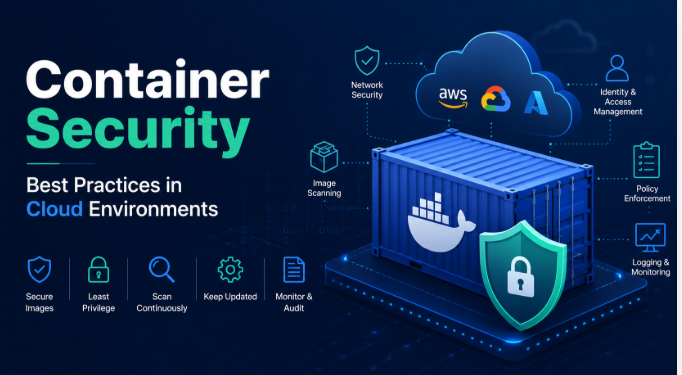
Container Security Best Practices in Cloud Environments

admin
By admin
19 Min Read

Introduction to Container Security

In recent years, the adoption of cloud environments has surged, with organizations increasingly turning to containerized applications for their scalability and efficiency. However, this shift brings unique security challenges that require a comprehensive understanding of container security. Unlike traditional virtualization methods, where entire operating systems are virtualized, containers encapsulate applications and their dependencies in a lightweight, isolated environment. This fundamental difference can lead to various security vulnerabilities if not properly managed.

The importance of container security cannot be overstated, especially given the dynamic nature of cloud environments. Containers can be rapidly deployed and scaled, which, while beneficial for agile development, also means that security measures must be equally dynamic. Without robust security practices in place, organizations risk exposing sensitive data and increasing their attack surface. Ensuring secure container management is essential to maintain the integrity and confidentiality of applications, preventing unauthorized access and data breaches.

Furthermore, the ephemeral nature of containers complicates security efforts. Unlike traditional virtual machines that have a longer lifespan, containers can be spun up and down in a matter of seconds. This can lead to a false sense of security, as vulnerabilities that exist in a running container may not be addressed in a timely manner. Moreover, container images can contain outdated software and known vulnerabilities, which poses a significant risk if left unchecked. As such, it is critical for organizations to implement strict security protocols throughout the entire container lifecycle, from image creation to deployment, to ensure compliance with industry standards and safeguard against potential threats.

Understanding Container Vulnerabilities

Containers have revolutionized the way applications are developed, deployed, and managed. However, with this innovation comes the necessity to understand the vulnerabilities that can arise within these isolated environments. One of the primary concerns in container security is misconfigurations. These can occur when security settings are not properly defined or enforced, leading to potential risks such as unauthorized access or exposure of sensitive data. Proper configuration management and auditing are essential to mitigate such risks.

Another significant area of vulnerability relates to the software components within container images. Containers often rely on various base images, libraries, and packages that may contain unpatched security flaws. A security vulnerability in any of these components can be inherited by the container, making the application susceptible to attacks. Therefore, regularly scanning container images for known vulnerabilities and using trusted sources for base images are critical best practices in container security.

Beyond these, runtime threats present an additional layer of risk to container security. Once a container is running, it is subject to potential intrusion attempts from both inside and outside the environment. Attackers may exploit vulnerabilities in the container runtime or take advantage of insecure APIs to escalate privileges or intercept data. Implementing robust runtime security measures, such as monitoring and anomaly detection, can help in identifying such threats as they arise.

Ultimately, understanding the common vulnerabilities found in containers is crucial for establishing a comprehensive security posture. Organizations must not only focus on securing the configurations and images but also stay vigilant during runtime operations. By recognizing these threats, teams can implement proactive strategies to protect their containerized applications effectively.

Best Practices for Container Image Management

Effective management of container images is essential for maintaining security in cloud environments. The following best practices can help organizations ensure that their container images are protected against vulnerabilities and threats.

Firstly, it is critical to regularly scan container images for vulnerabilities. This involves integrating automated vulnerability scanning tools into the CI/CD pipeline. Such tools can identify outdated libraries, insecure configurations, and known vulnerabilities within the image, enabling teams to address these issues before deployment. Scanning should be a continuous process, rather than a one-time effort, as new vulnerabilities can emerge frequently.

Another important practice is to maintain minimal base images. Utilizing smaller images that contain only the necessary components can significantly reduce the attack surface. By keeping base images lightweight, organizations limit the number of dependencies and potential vulnerabilities. It is advisable to use curated images from official or trusted repositories, as these are often maintained and updated to address any security concerns.

Additionally, using trusted repositories to host and distribute container images is essential for security. Organizations should choose reputable sources for their images and implement access controls to prevent unauthorized modifications. Private container registries can also offer a higher level of security as they can enforce stricter policies and provide additional logging and monitoring capabilities.

Furthermore, a strong versioning strategy should be employed for container images. By tagging images appropriately, teams can quickly identify and roll back to previous versions if vulnerabilities are discovered. Consistent versioning also aids in maintaining compliance with organizational policies.

Through the adoption of these best practices for container image management, organizations can enhance their security posture, reduce the risks associated with vulnerabilities, and cultivate a more reliable deployment environment in cloud infrastructures.

Implementing Network Security for Containers

Securing network communications is essential in safeguarding containerized applications from potential threats. As organizations increasingly adopt cloud environments for deploying applications, it becomes critical to implement robust network security practices tailored for containers. One effective approach is isolating container networks. By creating distinct network segments for different applications or services, organizations can mitigate the risk of unauthorized access and limit the potential impact of security breaches.

In addition to network isolation, utilizing firewalls specifically designed for container environments can greatly enhance security. These firewalls can inspect traffic entering and leaving the container network, enabling organizations to enforce stringent security policies. With the ability to monitor and restrict traffic at various layers, firewalls serve as a vital line of defense against cyber threats.

Network segmentation is another critical component of network security for containers. Segmenting the network involves dividing it into smaller, manageable sections, which reduces the attack surface and helps in enforcing security policies more effectively. This technique is particularly useful in minimizing lateral movement within the network, as any compromised segment can be quickly isolated from the rest.

Furthermore, configuring ingress and egress controls is paramount to controlling traffic flow to and from the container. Ingress controls manage incoming traffic, ensuring only legitimate requests reach the containers, whereas egress controls govern outbound traffic. By implementing these controls, organizations can prevent data exfiltration and restrict unauthorized external communications from compromised containers.

In summary, enhancing the security of container networks necessitates a multi-faceted approach involving network isolation, the deployment of firewalls, and strict network segmentation, alongside proper ingress and egress controls. Adopting these best practices will help create a secure environment for containerized applications, mitigating risks and safeguarding sensitive data.

Runtime Security Measures

Ensuring the security of containers during runtime is a critical aspect of maintaining a robust cloud environment. One of the key practices involves continuous monitoring for suspicious activities. This process entails observing container behaviors and application logs to detect any aberrant actions that might indicate a security breach. By implementing real-time monitoring solutions, organizations can gain immediate insights into their container operations, allowing them to respond promptly to potential threats.

Another essential component of runtime security is the use of intrusion detection systems (IDS). An IDS analyzes traffic patterns within containerized applications and cross-references this data with known security threats. This proactive approach helps in identifying and mitigating attacks before they can impact the system. With the complexity of cyber threats constantly evolving, relying solely on conventional security measures is insufficient; thus, integrating an IDS caters to the dynamic nature of containerized environments.

Furthermore, applying the principle of least privilege is paramount when deploying containers. By restricting access rights to the minimum level necessary for users and applications, organizations can significantly reduce the attack surface. Each container should operate with just enough permissions to perform its designated functions effectively. This strategy not only fortifies the security posture but also curtails the potential damage from compromised containers.

In conclusion, focusing on runtime security measures is indispensable for container management in cloud environments. By integrating real-time monitoring, utilizing advanced intrusion detection systems, and enforcing the least privilege principle, organizations can create a stronger defense against threats targeting their container operations. This layered security approach is essential for safeguarding sensitive data and maintaining operational integrity.

Continuous Monitoring and Compliance

In contemporary cloud environments, ensuring the security of containerized applications goes beyond initial setup; it necessitates continuous monitoring and compliance. This active oversight is essential to safeguard container health, identify vulnerabilities, and maintain alignment with regulatory frameworks.

To effectively monitor container health, organizations can utilize a variety of tools designed to provide real-time insights. These tools allow for the tracking of resource utilization, performance metrics, and system anomalies, thereby enabling rapid identification of potential security breaches. Examples of popular monitoring solutions include Prometheus, Grafana, and Sysdig, each providing distinct features tailored to the nuances of container environments. These monitoring solutions facilitate proactive maintenance, ensuring that any deviations from normal operation can be addressed promptly.

Logging and auditing are equally critical components of maintaining security in container environments. Implementing robust logging practices allows organizations to capture detailed records of all activities within their containers, including API requests, user interactions, and system changes. Tools such as ELK Stack (Elasticsearch, Logstash, Kibana) can streamline the process of aggregating and analyzing logs, making it easier to detect unusual patterns that could indicate a security issue. Regular audits of these logs also play a vital role in compliance; they provide necessary documentation that can be referred to during assessments or investigations.

Moreover, adherence to compliance standards is a non-negotiable aspect of cloud-based container security. Organizations must ensure they are abiding by relevant guidelines such as GDPR, HIPAA, or PCI DSS. Automated compliance checks integrated within continuous monitoring tools can greatly enhance this process, ensuring that containers remain compliant with established security policies. By automating compliance assessment, organizations not only save time but also reduce the risk of human error.

Incident Response Strategies

In the rapidly evolving landscape of container security, having a well-defined incident response strategy is paramount for organizations utilizing cloud environments. When a security breach occurs, the effectiveness of the response can significantly impact the organization’s ability to mitigate damage and recover quickly. Thus, understanding the key components of an incident response strategy for container security is essential.

The first component of an effective strategy is identification. This stage involves recognizing potential threats and vulnerabilities within the containerized applications. Utilizing continuous monitoring tools that can detect anomalies in container behavior is critical. Additionally, implementing logging and alerting systems can help identify security incidents in real-time, thereby enabling swift action.

Once a breach has been identified, the next step is containment. At this stage, the threat must be isolated to prevent further damage. This may include temporarily shutting down affected containers or restricting access to compromised environments. Proper segmentation within the cloud infrastructure can facilitate containment, minimizing the risk of spread to other parts of the application.

Following containment, the eradication phase focuses on eliminating the threat from the environment. This often involves removing malicious code, closing security gaps, and applying necessary patches. It is crucial to conduct a thorough investigation to determine how the breach occurred, so that preventive measures can be established for the future.

Finally, the recovery phase is essential for restoring the system to normal operations. This includes validating that the environment is secure before redeploying containers. Additionally, communication with stakeholders during this recovery process is vital to maintain transparency and trust.

In summary, a proactive and well-structured incident response plan is integral to securing containerized applications in cloud environments. By focusing on key components such as identification, containment, eradication, and recovery, organizations can significantly enhance their resilience against security breaches.

Utilizing Orchestration Tools Securely

Container orchestration tools, such as Kubernetes, play a pivotal role in managing containerized applications within cloud environments. Ensuring the security of these orchestration tools is paramount to safeguarding the entire container ecosystem. One of the best practices involves configuring the orchestration layer securely. This includes implementing strict security settings and continually monitoring system configurations to prevent unauthorized access and potential vulnerabilities.

Role-Based Access Control (RBAC) is a fundamental aspect of enhancing security in cloud-based orchestration tools. RBAC allows administrators to define who can access what resources and information, thereby minimizing the risk of data breaches. By assigning the minimum necessary permissions to users and service accounts, organizations can further reduce the attack surface. It is recommended that roles be regularly reviewed and permissions adjusted, ensuring that only essential access is granted.

In addition to RBAC, securing the orchestration layer itself is crucial. This involves deploying security tools and practices, such as network policies, to control traffic flow between pods and establish secure communication channels. Utilizing encryption protocols for data in transit and at rest can also bolster security against potential interception or unauthorized data access. Moreover, regularly updating the orchestration tool to its latest version is necessary to address any security vulnerabilities that could be exploited by hackers.

Lastly, integrating continuous security assessments within the container lifecycle will help identify potential risks early. This proactive approach contributes to maintaining a robust security posture that can adapt to evolving threats in a dynamic cloud environment. By adhering to these best practices, organizations can effectively mitigate risks and enhance the overall security of their container orchestration tools.

As the adoption of containerization continues to rise, securing these environments remains a paramount concern for organizations. The best practices highlighted throughout this blog post—such as implementing robust access controls, utilizing image scanning tools, and regularly updating software—are essential steps in safeguarding container infrastructure. These strategies not only mitigate risks but also enhance the overall resilience of containerized applications in cloud environments.

Looking forward, several emerging trends are shaping the future of container security. One significant development is the integration of artificial intelligence (AI) and machine learning (ML) technologies. By leveraging AI and ML, organizations can better analyze patterns, detect anomalies, and respond to threats in real-time, thereby augmenting traditional security measures. These technologies can automate the identification of vulnerabilities and assist in predictive analytics, making it easier for security teams to prioritize their efforts.

Additionally, the rise of serverless architecture introduces new layers of complexity in container security. While serverless functions can simplify deployment and help reduce operational overhead, they also raise concerns regarding visibility and control. Ensuring that security measures extend to serverless environments will become crucial as organizations increasingly adopt this architectural model.

Moreover, the evolving regulatory landscape demands that organizations remain compliant with various standards relevant to container deployment. Regulations pertaining to data protection, privacy, and cybersecurity are becoming more stringent, requiring businesses to adapt their security frameworks accordingly. Staying ahead of these regulatory requirements will not only ensure compliance but also enhance trust with clients and stakeholders.

In conclusion, as container security continues to evolve with technological advancements and regulatory changes, organizations must remain vigilant and proactive. By staying informed of best practices and emerging trends, they can better secure their containerized applications in a dynamic cloud environment.

Share This Article
Leave a comment

Leave a Reply

Your email address will not be published. Required fields are marked *