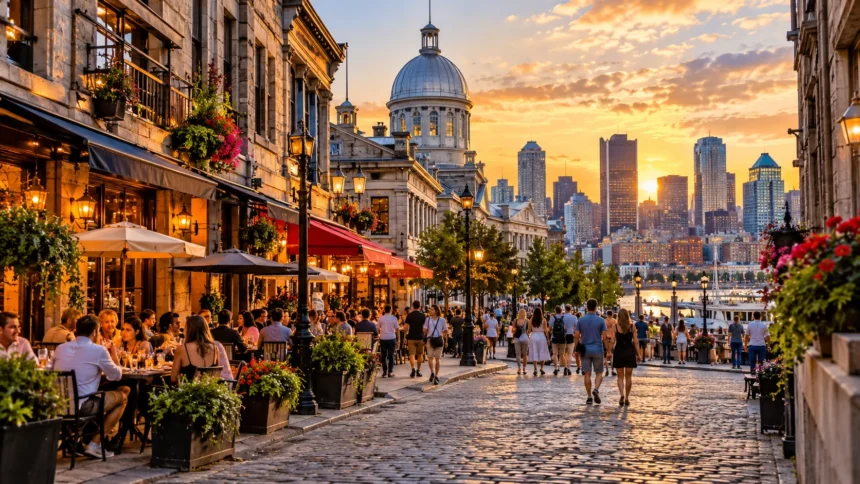
Montreal is one of Canada’s most exciting travel destinations, known for its historic streets, beautiful architecture, world-class museums, and vibrant cultural atmosphere. Located in the province of Quebec, this charming city combines European influences with modern North American experiences. Whether you enjoy exploring historic landmarks, discovering local food, or relaxing in beautiful parks, there are countless things to do in Montreal that make a vacation memorable.
From the cobblestone streets of Old Montreal to the panoramic views of Mount Royal, the city offers attractions for every type of traveler. Visitors can admire impressive churches, explore colorful neighborhoods, discover fascinating museums, and experience popular festivals. Montreal’s combination of history, culture, and natural beauty makes it an excellent destination for families, couples, and solo travelers.
In this guide, we will explore the best attractions in Montreal, including famous landmarks, cultural experiences, outdoor activities, and beautiful neighborhoods. You will also discover practical travel tips, the best time to visit, and recommendations for planning an unforgettable Montreal vacation.
Why Montreal Is Worth Visiting
Montreal attracts travelers because of its remarkable combination of historic architecture, cultural diversity, and modern city life. Visitors can walk through charming European-inspired streets, admire beautiful churches, and explore neighborhoods filled with restaurants and independent shops. The city’s welcoming public spaces and fascinating heritage create an enjoyable atmosphere for sightseeing and discovery.
Another reason Montreal stands out is its rich artistic and cultural scene. The city is known for music festivals, museums, theaters, street art, and creative communities. French is the primary language, but visitors will also encounter many other languages and cultural influences throughout the city.

Montreal also offers excellent opportunities for outdoor recreation during different seasons. Summer brings festivals and waterfront activities, while autumn transforms parks with colorful foliage. Winter creates opportunities for skating and seasonal celebrations, making Montreal an appealing destination throughout the year.
Explore Old Montreal: Historic Streets and Architecture
Old Montreal, known locally as Vieux-Montréal, is one of the city’s most popular tourist destinations. This historic neighborhood features cobblestone streets, beautiful stone buildings, and architectural landmarks dating back several centuries. Its European-inspired atmosphere makes it particularly attractive for walking tours, photography, and exploring local history.
Visitors can wander along Saint-Paul Street, where traditional buildings contain restaurants, boutiques, and art galleries. The surrounding area also features historic public squares and museums that explain Montreal’s development. Place Jacques-Cartier is a particularly enjoyable location for appreciating the neighborhood’s atmosphere and architecture.
Old Montreal is best explored at a relaxed pace because many attractions are located within walking distance. Travelers can combine cultural sightseeing with shopping and waterfront activities. Comfortable walking shoes are recommended because historic streets often contain uneven surfaces and cobblestones.
Visit Notre-Dame Basilica: Montreal’s Famous Church
Notre-Dame Basilica is one of Montreal’s most recognizable architectural landmarks and a must-see attraction for first-time visitors. Located in Old Montreal, this historic church is famous for its impressive Gothic Revival architecture and richly decorated interior. Its detailed craftsmanship makes it one of the city’s most photographed religious buildings.
The basilica features beautiful stained-glass windows, decorative woodwork, and an impressive sanctuary dominated by deep blue and gold colors. Visitors can appreciate the architectural details while learning about the church’s cultural significance. The building has played an important role in Montreal’s religious and historical development.
Travelers should check admission arrangements and visiting hours before arriving because access may be affected by religious services or special events. Photography restrictions may apply in certain areas. Combining Notre-Dame Basilica with nearby Place d’Armes provides an excellent introduction to Old Montreal’s historic architecture.
Discover Mount Royal Park and Its Beautiful Views
Mount Royal Park is one of Montreal’s most beloved green spaces and offers spectacular views of the surrounding city. Located on the mountain that gives Montreal its name, the park features wooded trails, scenic viewpoints, and peaceful recreational areas. Its natural setting provides a refreshing escape from busy urban streets.
One of the park’s most famous attractions is the Kondiaronk Belvedere, which overlooks downtown Montreal and the Saint Lawrence River. Visitors can enjoy panoramic photography and admire the surrounding skyline. The park also contains walking paths and Beaver Lake, providing additional opportunities for relaxation and outdoor exploration.
Mount Royal Park is beautiful during every season, although the experience changes with the weather. Summer offers green landscapes and pleasant walks, while autumn brings colorful foliage. Winter transforms portions of the park into snowy scenery, making it a popular destination for seasonal outdoor activities.
Explore the Old Port of Montreal
The Old Port of Montreal is a lively waterfront destination located along the Saint Lawrence River. This historic area combines beautiful river views with recreational attractions and public spaces. It is especially popular among travelers who enjoy walking, sightseeing, and exploring outdoor destinations close to the city center.
Visitors can stroll along the waterfront, admire historic buildings, and enjoy views of boats moving along the river. The area also features seasonal attractions, cultural activities, and recreational facilities. La Grande Roue de Montréal, a large observation wheel, provides another opportunity to appreciate the surrounding scenery from above.
The Old Port is particularly enjoyable during warm weather when outdoor activities become more accessible. However, several attractions operate according to seasonal schedules. Travelers should check current opening times and ticket requirements before planning specific experiences along the waterfront.
Visit the Montreal Museum of Fine Arts
The Montreal Museum of Fine Arts is one of Canada’s leading art museums and a rewarding destination for culture enthusiasts. Located in downtown Montreal, the museum features collections representing different artistic traditions and historical periods. Its exhibitions provide opportunities to appreciate Canadian, international, and contemporary artwork.
Visitors can explore paintings, sculptures, decorative arts, and other creative works displayed throughout the museum. Temporary exhibitions may introduce additional themes and artists. The museum’s architecture also contributes to the experience, with several buildings connected through a larger cultural complex.
The Montreal Museum of Fine Arts is an excellent attraction during rainy or cold weather. Travelers interested in art may want to reserve several hours for exploration. Checking exhibition schedules and admission information before visiting helps ensure enough time to appreciate the available collections.
Explore the Montreal Botanical Garden
The Montreal Botanical Garden is one of the city’s most beautiful natural attractions and an excellent destination for visitors who enjoy plants and landscaped environments. Located near the Olympic Park area, the garden features themed outdoor spaces and extensive botanical collections. Its peaceful atmosphere makes it popular with families and nature enthusiasts.
Visitors can explore carefully designed gardens inspired by different horticultural traditions. The Japanese Garden and Chinese Garden are particularly well known for their distinctive landscapes and architectural details. Seasonal flowers and changing vegetation create different experiences throughout the year.
The best time to visit depends on which plants and outdoor displays interest you most. Spring and summer provide colorful landscapes, while autumn offers attractive seasonal foliage. Some garden areas or facilities may have seasonal access restrictions, so checking visitor information is recommended before arriving.
Discover the Montreal Biodome
The Montreal Biodome is a fascinating attraction that introduces visitors to several different ecosystems found in the Americas. Located within the Space for Life museum complex, it provides an educational experience combining wildlife, plants, and environmental interpretation. The attraction is especially appealing to families and travelers interested in nature.
Inside the Biodome, visitors can explore environments representing different climate zones and natural habitats. These exhibits provide opportunities to observe animals and vegetation while learning about ecological relationships. The attraction encourages greater awareness of biodiversity and the importance of protecting natural environments.
The Biodome is a useful destination for visitors seeking indoor activities during colder months or rainy days. Families can combine it with nearby attractions, including the Botanical Garden and Insectarium. Checking admission arrangements and operating schedules helps make the visit easier to organize.
Visit Saint Joseph’s Oratory of Mount Royal
Saint Joseph’s Oratory is one of Montreal’s most impressive religious and architectural landmarks. Located on the western slope of Mount Royal, the basilica is known for its enormous dome and prominent position above the city. Its beautiful design attracts visitors interested in history, architecture, and peaceful surroundings.
The site includes religious spaces, gardens, viewing areas, and architectural features reflecting its long history. Visitors can admire the building’s impressive exterior while exploring publicly accessible areas. The elevated location also provides beautiful views of Montreal and the surrounding landscape.
Saint Joseph’s Oratory remains an active place of worship, so respectful behavior is important during a visit. Travelers should follow any applicable photography and access restrictions. Its combination of architecture, cultural significance, and scenic surroundings makes it a rewarding addition to a Montreal itinerary.
Explore Jean-Talon Market and Local Food Culture
Jean-Talon Market is one of Montreal’s most popular food markets and an excellent destination for experiencing local culinary traditions. Located in Little Italy, the market features produce vendors, specialty food shops, and seasonal products. Its lively atmosphere makes it appealing to visitors interested in food and everyday neighborhood life.
Travelers can explore stalls selling fresh vegetables, fruits, cheeses, baked goods, and regional specialties. The market provides opportunities to learn about Quebec ingredients and local food culture. Seasonal changes influence the products available, creating a different experience depending on when visitors arrive.
Jean-Talon Market is also surrounded by restaurants, cafes, and neighborhood shops that make the area worth exploring. Visitors can combine market sightseeing with a walk through Little Italy. Checking current operating hours is useful because individual businesses and outdoor stalls may follow different seasonal schedules.
Experience Montreal’s Famous Food Scene
Montreal is widely recognized for its distinctive food culture, which reflects Quebec traditions and influences from communities around the world. Visitors can discover everything from traditional comfort food to contemporary international cuisine. Exploring local restaurants and markets is one of the most enjoyable ways to understand the city’s cultural diversity.
Poutine is one of Quebec’s most recognizable dishes and typically includes fries, cheese curds, and gravy. Montreal-style bagels and smoked meat sandwiches are also popular local specialties. Travelers can discover these foods in established bakeries, casual restaurants, and neighborhood dining spots throughout the city.
Food experiences do not need to be limited to famous dishes. Montreal offers bakeries, cafes, produce markets, and restaurants representing many culinary traditions. Exploring different neighborhoods allows visitors to experience the city’s diversity while discovering flavors that suit their preferences and dietary needs.
Walk Through the Plateau-Mont-Royal Neighborhood
Plateau-Mont-Royal is one of Montreal’s most interesting neighborhoods, known for its colorful buildings, creative atmosphere, and tree-lined residential streets. The area features distinctive exterior staircases, independent shops, and small cafes. Its architecture and neighborhood character make it especially attractive for walking and photography.
Visitors can explore streets such as Saint-Denis and nearby commercial areas filled with local businesses. Murals and public artwork contribute to the neighborhood’s artistic identity. Parks and small public spaces also provide opportunities to relax while appreciating the surrounding urban environment.
The Plateau offers a different experience from the historic atmosphere of Old Montreal. Rather than focusing entirely on major landmarks, travelers can appreciate everyday neighborhood life and local creativity. Spending a few hours exploring its streets provides a memorable perspective on Montreal’s cultural character.
Discover Mile End: Art, Cafes, and Creative Culture
Mile End is a distinctive Montreal neighborhood known for its independent businesses, creative communities, and popular food destinations. Located near the Plateau area, it features a mixture of residential streets, small shops, and cultural spaces. The neighborhood has become especially popular among visitors interested in art and local culture.
Travelers can explore bookstores, cafes, bakeries, and boutiques while appreciating the area’s relaxed atmosphere. Mile End is also associated with Montreal’s famous bagel-making traditions. Its combination of historic streets and contemporary businesses creates an enjoyable setting for casual sightseeing.
Walking through Mile End offers opportunities to discover smaller attractions beyond Montreal’s major tourist landmarks. The neighborhood is particularly appealing for travelers who prefer exploring local communities at a comfortable pace. Combining Mile End with nearby Plateau-Mont-Royal creates a rewarding afternoon itinerary.
Explore the Lachine Canal and Waterfront Paths
The Lachine Canal is one of Montreal’s most attractive outdoor destinations and an important part of the city’s industrial heritage. The historic waterway stretches through several neighborhoods and features scenic paths along its banks. Its combination of history and recreational space attracts cyclists, walkers, and visitors seeking waterfront scenery.
Travelers can explore designated walking and cycling routes while enjoying views of the canal and surrounding neighborhoods. Nearby Atwater Market provides another opportunity to discover local food and shopping. The area also contains historical industrial buildings that reflect Montreal’s economic development.
The Lachine Canal is particularly enjoyable during spring, summer, and early autumn when outdoor conditions are comfortable. Seasonal recreational services may be available depending on the weather. Visitors should follow shared-path rules and allow enough time to appreciate the canal’s scenery and surrounding attractions.
Visit Olympic Park and Montreal’s Olympic Stadium
Olympic Park is an important landmark associated with the 1976 Summer Olympic Games held in Montreal. Located in the eastern part of the city, the area contains distinctive architectural structures and major cultural attractions. Its history makes it interesting for visitors who enjoy sports heritage and urban design.
The Olympic Stadium is one of Montreal’s most recognizable modern architectural structures. The surrounding district also includes attractions connected with the Space for Life complex. Visitors can admire the stadium’s exterior and learn about the city’s Olympic history through available educational experiences.
Parts of Olympic Park and the stadium complex may be affected by renovation projects or temporary closures. Travelers should check current access arrangements before planning specific tours or observation experiences. Combining the area with nearby museums can create a varied day of sightseeing.
Explore Parc Jean-Drapeau and Its Attractions
Parc Jean-Drapeau is one of Montreal’s most impressive recreational areas, located on islands in the Saint Lawrence River. The park offers green spaces, walking routes, and views of the city skyline. It is particularly popular during summer when outdoor events and recreational activities attract visitors.
The park includes well-known landmarks such as the Biosphere, a museum dedicated to environmental topics. Visitors can also discover scenic areas connected with Montreal’s history and major international events. Its island setting creates a different atmosphere from the busy streets of downtown Montreal.
Parc Jean-Drapeau is accessible by public transportation, making it convenient for travelers without a rental car. Seasonal attractions and event schedules vary throughout the year. Checking access information and allowing enough time for walking helps visitors appreciate the park’s large recreational spaces.
Enjoy Montreal’s Festivals and Cultural Events
Montreal is famous for its lively festival scene, with events celebrating music, comedy, cinema, art, and cultural traditions. Many major festivals take place during summer when outdoor conditions are favorable. The city’s public squares and entertainment districts become active gathering places during popular celebrations.
The Montreal International Jazz Festival is one of the city’s most recognized cultural events. Other seasonal celebrations showcase local artists, international performers, and creative communities. Some festival activities are free to attend, while others require tickets or advance reservations.
Travelers planning to visit during a major festival should consider accommodation availability and increased demand around popular venues. Event schedules and locations can change each year. Checking current festival information before booking helps visitors organize a trip around their preferred cultural experiences.
Best Time to Visit Montreal for Sightseeing
The best time to visit Montreal depends on your preferred weather and travel activities. Late spring through early autumn generally offers comfortable conditions for sightseeing and outdoor exploration. June through September is particularly popular because the city hosts many festivals and provides long daylight hours.
Autumn is another beautiful season when parks and surrounding landscapes develop colorful foliage. September and October can offer pleasant walking conditions, although temperatures gradually become cooler. Travelers who enjoy photography and quieter sightseeing may find this period especially attractive.
Winter brings cold temperatures and snowfall, creating opportunities for seasonal experiences such as outdoor skating and winter festivals. Indoor attractions, museums, and restaurants remain popular during colder months. Choosing the right season allows travelers to match their Montreal vacation with their preferred activities.
How Many Days Do You Need in Montreal?
Three to four days can provide enough time to explore many of Montreal’s major attractions. Visitors can spend one day discovering Old Montreal and the Old Port, then explore Mount Royal and nearby neighborhoods. Additional time can be dedicated to museums, markets, and cultural experiences.
Travelers with five or six days can enjoy a more relaxed itinerary and include attractions located outside the central tourist districts. The Botanical Garden, Biodome, and Olympic Park are examples of destinations that may deserve a separate sightseeing day. Extra time also allows opportunities to appreciate local food and neighborhood culture.
The ideal trip length depends on personal interests and available travel time. Visitors who enjoy museums and festivals may prefer a longer stay, while weekend travelers can focus on a few highlights. Planning attractions by neighborhood helps reduce unnecessary transportation and creates a more enjoyable experience.
Important Travel Tips for Visiting Montreal
Montreal has a well-developed public transportation network that makes exploring the city relatively convenient. The metro and bus systems connect many popular neighborhoods and attractions. Travelers can use public transportation to reach destinations that would otherwise require longer walking distances.
French is the main language in Montreal, although English is also commonly spoken in many tourist areas. Learning a few basic French phrases can improve everyday interactions and show appreciation for local culture. Visitors should also consider seasonal weather when selecting clothing and planning outdoor activities.
Comfortable walking shoes are useful because many historic and residential neighborhoods are best explored on foot. Winter visitors should prepare for cold temperatures and potentially icy sidewalks, while summer travelers may encounter warm and humid conditions. Checking current attraction schedules and transportation information helps ensure a smooth and enjoyable vacation.
Conclusion
Montreal is a remarkable Canadian destination offering historic architecture, cultural attractions, beautiful parks, and vibrant neighborhoods. From Old Montreal and Notre-Dame Basilica to Mount Royal and the Old Port, the city provides memorable experiences for different interests. Its combination of European-inspired charm and modern urban culture makes it especially appealing.
Visitors can explore fascinating museums, discover local food markets, enjoy waterfront paths, and experience Montreal’s famous festival atmosphere. Neighborhoods such as Plateau-Mont-Royal and Mile End reveal the city’s creative character, while attractions like the Biodome and Botanical Garden provide educational experiences. Combining these destinations creates a balanced and rewarding itinerary.
Before traveling, consider seasonal weather, accommodation, transportation, and the attractions that interest you most. Allow time for relaxed sightseeing and discovering smaller neighborhood experiences beyond the main landmarks. With thoughtful planning, a Montreal vacation can provide beautiful scenery, cultural discoveries, and unforgettable memories.
Frequently Asked Questions
What is Montreal best known for?
Montreal is best known for its historic Old Montreal neighborhood, Notre-Dame Basilica, Mount Royal, cultural festivals, and distinctive food scene. Its French-speaking heritage also contributes to the city’s character.
How many days are enough to visit Montreal?
Three to four days are generally enough to explore major attractions, museums, and popular neighborhoods. Travelers interested in festivals, food, and additional cultural experiences may prefer five or six days.
What is the best month to visit Montreal?
June, July, and September are popular months for comfortable sightseeing and outdoor experiences. September also offers pleasant weather and opportunities to enjoy the beginning of autumn colors.
Is Montreal worth visiting for tourists?
Yes, Montreal offers beautiful historic architecture, excellent museums, lively festivals, scenic parks, and a distinctive culinary culture. It is an appealing destination for travelers interested in history, food, and city exploration.
What are the best free things to do in Montreal?
Popular free activities include exploring Old Montreal, walking through Mount Royal Park, visiting public markets, and enjoying the Old Port waterfront. Certain festivals also offer free outdoor performances.