

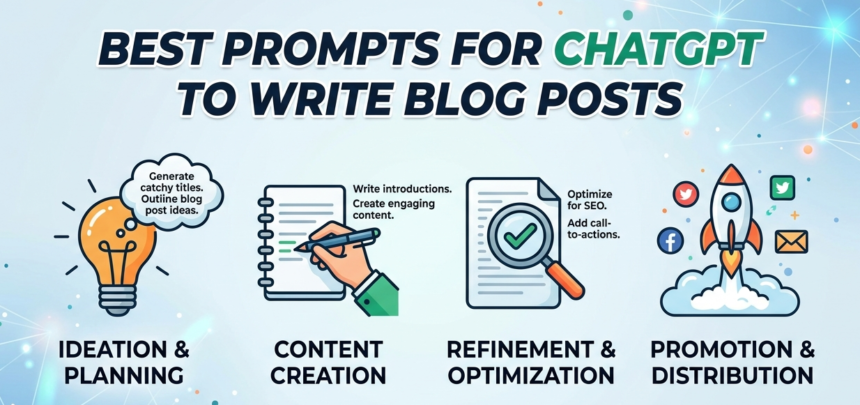
Best Prompts for ChatGPT to Write Blog Posts

admin
By admin
20 Min Read

Introduction to ChatGPT for Blogging

In the digital age, the demand for high-quality and engaging content is ever-increasing, making the use of artificial intelligence tools like ChatGPT an attractive option for writers. ChatGPT, developed by OpenAI, is an advanced language model that can generate coherent and contextually relevant text based on the prompts it receives. This capability allows it to assist writers in creating a wide array of written content, from blog posts to articles and more.

One of the key benefits of using ChatGPT for blogging is its ability to produce ideas and drafts quickly. Writers often struggle with writer’s block or the daunting task of synthesizing information into a compelling narrative. In such scenarios, AI can serve as a brainstorming partner, generating a list of topics, suggesting outlines, or even providing complete paragraphs based on specific prompts. This collaborative approach not only enhances creativity but also improves productivity, allowing bloggers to focus on other important aspects of their work.

Moreover, ChatGPT’s versatility can be leveraged by incorporating diverse prompts that guide its writing. From casual conversational tones to more formal narratives, the AI can adapt its style to fit the desired voice of a blog. This flexibility facilitates the generation of customized content, enabling writers to maintain consistency and brand alignment throughout their posts. By utilizing various prompts effectively, bloggers can harness the power of AI to refine their narrative strategies.

Overall, ChatGPT represents a significant advancement in content creation technology. By integrating this revolutionary tool into the blogging process, writers can streamline their workflow, enrich their content, and ultimately engage their audience more effectively. As we delve further into the best prompts for ChatGPT, it becomes evident how this AI can transform the blogging landscape.

Understanding Blog Post Structure and Goals

A well-structured blog post is essential for effectively conveying ideas and engaging readers. The traditional structure of a blog post typically includes four key elements: the title, introduction, body, and conclusion. Each component serves a distinct purpose that contributes to the overall success of the piece.

The title functions as the initial point of contact between the content and potential readers. An effective title should be attention-grabbing, informative, and reflective of the content within. It plays a critical role in search engine optimization (SEO) by incorporating relevant keywords that align with user queries.

The introduction serves to hook the reader by presenting the main topic and outlining the post’s purpose. This section is crucial for setting expectations and establishing context. A well-crafted introduction should briefly present the primary issue or question to draw the audience’s interest and encourage them to read further.

The body of the blog post is where the main ideas are developed. It is essential for this section to be organized logically, with clear subheadings and paragraphs that facilitate easy navigation. Each paragraph should focus on a single point, backed by examples or evidence where necessary. This enhances readability and helps maintain the reader’s attention. Various prompts can be employed here to help generate content that aligns with specific writing goals, such as informative, persuasive, or entertaining writing.

Finally, the conclusion provides a summary of the key points made throughout the post. It should reinforce the main idea, leaving the reader with a lasting impression. This section may also include a call to action, urging the audience to engage further with the topic, whether through comments, social media shares, or related content exploration.

Types of Prompts for ChatGPT

When utilizing ChatGPT for blog post generation, understanding various types of prompts can significantly enhance the output quality. Prompts can be categorized into three main types: topic-specific prompts, audience-driven prompts, and style-focused prompts.

Topic-specific prompts direct ChatGPT toward a particular subject, ensuring the content stays relevant and informative. For example, a prompt like “Write a blog post about the benefits of remote work in the tech industry” will steer the model to provide insights tailored to this specific niche, ultimately resulting in more focused and useful output. The greater the specificity in the prompt, the more refined the content will be, effectively addressing the interests of the target audience.

Audience-driven prompts, on the other hand, focus on the intended readership of the blog. An example of this would be, “Create a beginner’s guide on organic gardening for urban dwellers.” This type of prompt encourages ChatGPT to shape the language, tone, and details in a manner that resonates with the specific demographic. By understanding who the content is for, the model can employ relevant terminology and examples, making the blog accessible and engaging for its intended audience.

Style-focused prompts guide ChatGPT to adopt a particular writing style or tone. For instance, a prompt like “Compose a humorous blog post about the challenges of parenting pets” encourages the model to blend humor with the subject matter. Style-focused prompts are particularly effective for content creators looking to establish a distinctive voice or tone across their blog posts.

By strategically leveraging these categories of prompts, writers can enhance their interactions with ChatGPT, yielding high-quality blog post content tailored to their needs.

Crafting Effective Prompts

When utilizing ChatGPT for blog post creation, the effectiveness of the output largely depends on the initial prompts provided. Crafting effective prompts is essential to ensure that the AI generates text that aligns with your expectations, both in terms of content quality and tone. There are several strategies to enhance the quality of prompts.

First and foremost, specificity is key. Rather than issuing vague instructions, it is important to outline the specific topics or themes you wish to explore. For instance, instead of asking for a general blog post about technology, you might request a detailed piece focusing on the impacts of artificial intelligence in the workplace. This specificity helps the AI to better understand the direction and depth of information you are seeking.

Providing context also plays a significant role in the prompt formulation process. By integrating background information or specifics about the intended audience, you guide the AI in adopting a suitable tone and style for your blog. For example, if the target audience is entrepreneurs, including that detail in the prompt will result in responses that resonate more with their interests and concerns.

Additionally, using examples can serve as a valuable tool to illustrate the style or format you are aiming for. If you prefer a conversational tone, you might include sample sentences or formats that embody that style. This helps to align the AI output with your specific content expectations.

By incorporating these elements—specificity, context, and examples—into your prompts, you can effectively harness the capabilities of ChatGPT, guiding it to produce relevant and engaging content that meets your blogging needs. Improving this aspect of prompt crafting will ultimately enhance the quality of the blog posts produced.

Examples of Prompts for Different Blog Niches

Blogging encompasses a diverse array of niches, each with its own unique audience and content requirements. Below are tailored prompts designed to inspire engaging blog posts across several popular categories, including technology, lifestyle, travel, and health.

Technology: The tech industry is constantly evolving, making it a rich area for content creation. A prompt such as “Discuss the impact of artificial intelligence on daily life in 2023” can lead to a blog post that explores current trends and innovations. Alternatively, consider a prompt like “What are the top 5 cybersecurity threats for small businesses this year?” This not only addresses relevance but also helps readers understand the importance of staying informed on tech-related risks.

Lifestyle: The lifestyle niche allows for a wide range of topics, appealing to various interests. A compelling prompt could be, “Share your personal morning routine and how it sets the tone for the day.” This personal approach invites authenticity and encourages reader interaction. Another prompt might be, “What are the benefits of minimalism in modern living?” This theme taps into growing trends while promoting thoughtful discussion.

Travel: Travel blogging inspires adventure and exploration. A useful prompt could be, “Describe your ultimate travel itinerary for a week in Japan.” Such a post not only provides practical advice but also ignites wanderlust among readers. Alternatively, try a prompt like, “What are the top 10 hidden gems in Europe that every traveler should visit?” This type of content offers fresh insights that can attract a wide audience.

Health: In the health niche, well-researched content is crucial. For example, a prompt such as “What are the key benefits of adopting a plant-based diet?” can result in informative and actionable advice. Another effective prompt could be, “Explore the relationship between mental health and physical fitness.” This provides a multifaceted view of health, catering to readers’ interests while promoting overall wellness.

By utilizing these examples of prompts tailored for various blog niches, writers can create content that resonates with their audience, ultimately enhancing engagement and interaction.

Refining AI-Generated Content

As the use of AI writing tools like ChatGPT becomes more prevalent, the need for refining and editing the generated content has also increased. While ChatGPT is proficient at producing coherent narratives, it can occasionally deliver outputs that lack clarity or a personal touch. Refining these AI-generated texts is crucial to enhance their quality and ensure they effectively convey the intended message.

One of the first steps in the refining process is to add a personal voice to the content. This not only makes the writing more engaging but also helps establish a connection with the audience. Writers can infuse their unique perspectives, experiences, and opinions into the text. By incorporating anecdotes or relatable examples, one can make the AI-generated piece resonate more with readers. This approach transforms a generic output into a personalized narrative that reflects the writer’s style.

Ensuring clarity is another critical aspect of refining AI-generated content. Often, AI may produce text that is somewhat convoluted or uses vague language. Writers should closely review the output for any ambiguous phrases and replace them with clearer alternatives. Shortening overly complex sentences and breaking down dense paragraphs into digestible segments can significantly enhance readability. Clarity not only aids comprehension but also maintains reader engagement throughout the article.

Moreover, verifying the accuracy of information presented in AI-generated content is paramount. While ChatGPT may provide well-structured text, it’s essential to cross-check the facts and figures, especially if they pertain to sensitive subjects or require precision. Misinformation can undermine the credibility of the writer, so thorough research is advisable. By critically evaluating and correcting inaccuracies, writers can ensure that their content stands on a solid foundation of truth.

In summary, refining AI-generated content involves a multi-faceted approach that emphasizes personal voice, clarity, and factual accuracy. By adhering to these principles, writers can significantly elevate the quality of their work, transforming AI outputs into compelling and reliable articles.

Using ChatGPT for SEO Optimization

Utilizing ChatGPT for Search Engine Optimization (SEO) can significantly improve the visibility and reach of your blog posts. By integrating targeted prompts directed at ChatGPT, writers can generate not only engaging content but also optimize it for search engines. One of the primary steps in SEO optimization is the creation of SEO-friendly titles. Prompts that request suggestions for blog titles can harness the language model’s ability to blend creativity with keyword incorporation, resulting in titles that attract more clicks.

Another essential component of SEO is the meta description. Crafting a compelling meta description that succinctly summarizes the blog content while embedding relevant keywords is crucial. ChatGPT can assist in generating multiple variations of meta descriptions, helping bloggers identify the most effective options that resonate with their target audience. Using prompts that specifically ask for meta descriptions related to specific topics or keywords can further enhance this process, ensuring that each piece of content is optimized from the ground up.

In addition to titles and meta descriptions, the actual content of the blog should be rich in keywords yet maintain a natural flow. Prompts encouraging ChatGPT to generate paragraphs that are informative and keyword-dense can facilitate this. Effective prompts might include requests for content focused on particular phrases or topics while ensuring that the writing remains engaging and fluent. Furthermore, leveraging ChatGPT’s capacity to suggest related terms or synonyms can enrich the content, making it more relevant to search queries.

Moreover, continual engagement with ChatGPT to refine and iterate on blog posts can result in ongoing improvements in SEO performance. By revising prompts to target emerging trends or varying expressions of the main topic, writers can keep their content fresh and aligned with current SEO practices. This adaptive approach is key in a digital landscape where algorithm changes can shift content ranking significantly.

Case Studies: Successful Blog Posts Using AI Prompts

In the digital landscape, artificial intelligence has emerged as a powerful tool for content creation. A number of successful blog posts demonstrate the efficacy of AI-generated content based on specific prompts. One compelling case study comes from a travel blog that utilized AI prompts to create a series of articles focused on hidden gems around the world. By providing the AI with prompts such as “off-the-beaten-path travel destinations” and “unique cultural experiences in Europe,” the content generated was not only informative but also engaging, leading to a significant increase in reader engagement and shares across social media platforms.

Another notable example is a health and wellness blog that effectively employed AI-generated prompts to address common questions related to mental health. By using prompts like “how to manage anxiety in daily life” and “tips for improving mental well-being,” the AI was able to produce high-quality articles that resonated with readers. The outcome was a marked increase in website traffic and a higher rate of user interaction in the comment sections, showcasing how AI prompts can facilitate the creation of relevant and valuable content.

Furthermore, a technology blog harnessed AI-generated prompts to explore emerging trends in artificial intelligence and machine learning. By crafting prompts around questions such as “what are the latest advancements in AI technology?” and “how is AI influencing various industries?,” the blog was able to attract a tech-savvy audience. This approach not only increased article relevance but also established the blog as a thought leader in the technology space. These case studies exemplify how using AI prompts can effectively streamline the content creation process, resulting in high-quality blog posts that engage and retain readers.

Conclusion and Future of AI in Blogging

As we reflect on the evolution of blogging, it becomes evident that the integration of AI technologies, particularly tools like ChatGPT, has the potential to significantly enhance the writing process. Throughout this blog post, we have explored various prompts that can be utilized in conjunction with ChatGPT to assist writers in creating engaging and informative content. These prompts serve not only as a source of inspiration but also as a mechanism for overcoming writer’s block and enhancing creativity.

The adaptability of AI in this context offers numerous advantages, including the ability to analyze vast amounts of data and generate content that resonates with specific audiences. As bloggers increasingly seek to optimize their writing for both search engines and readers, AI provides valuable insights that can streamline this process. By employing sophisticated algorithms, AI can help identify trending topics and suggest relevant keywords that enhance the overall quality of blog posts.

Looking ahead, the future of AI in the realm of blogging is promising. With advancements in natural language processing and machine learning, tools like ChatGPT are poised to evolve further, offering even more sophisticated capabilities. As such, it is important for writers to embrace these technologies, experimenting with various prompts and integrating AI into their workflows. The symbiotic relationship between AI and human creativity can lead to a new era of content creation, where efficiency and creativity are enhanced together.

In conclusion, by leveraging AI tools like ChatGPT while ensuring that human touch remains central in writing, bloggers can create high-quality content that engages users effectively. As the blogging landscape continues to change, those who adapt to these innovations will find new avenues for success and expression.

TAGGED:
Share This Article
Leave a comment

Leave a Reply

Your email address will not be published. Required fields are marked *